
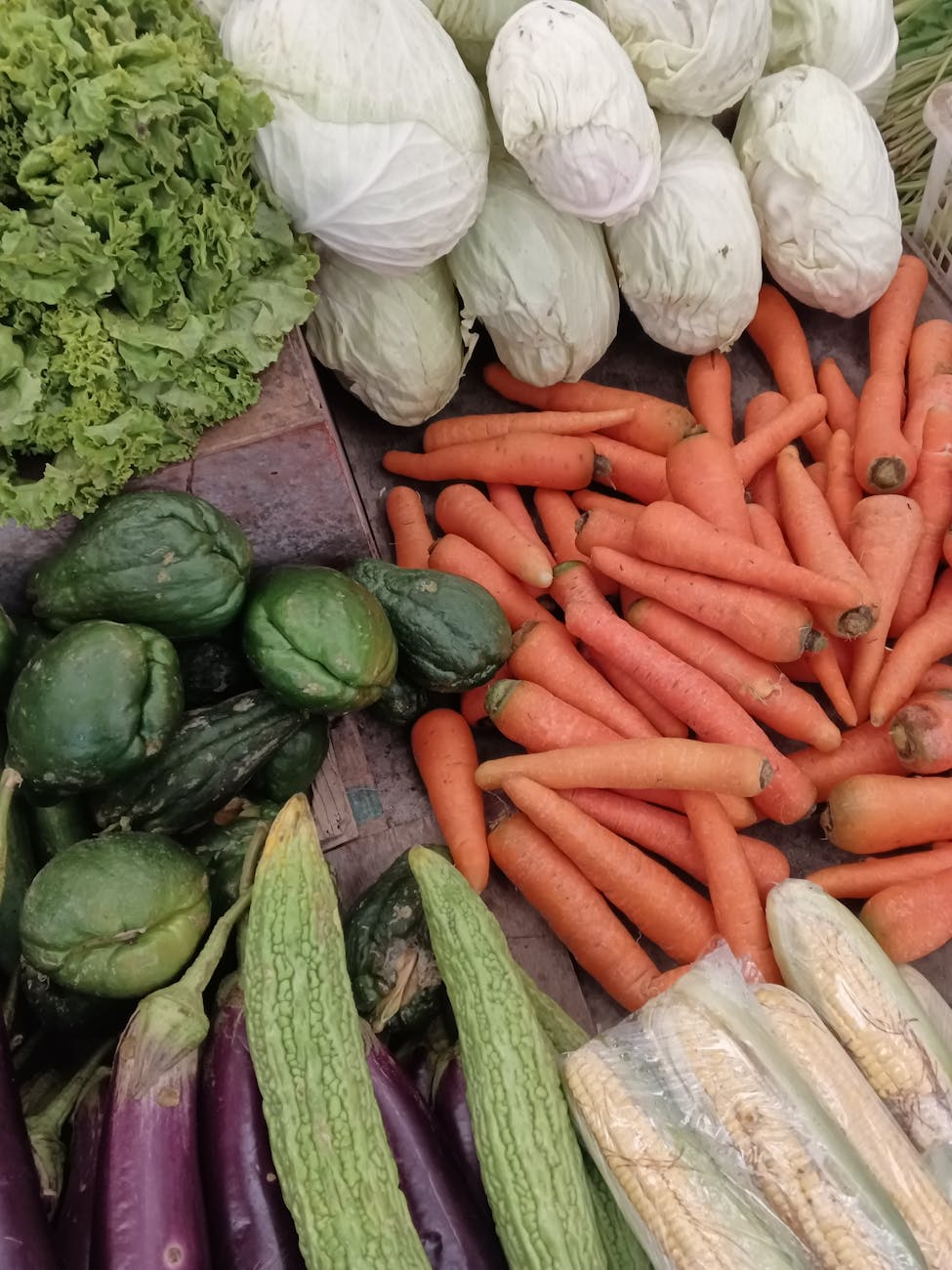
For Baby Boomers, dinner tables often featured a predictable rotation of vegetables. Many of these foods were affordable, easy to grow, and widely available in mid-20th century households.
Today, changing tastes and global cuisine trends have pushed some of these once-common vegetables out of the spotlight. While still available, they’re far less popular with younger generations.
Liver and Onions’ Companion: Turnip
Turnips were a staple in many homes, often served mashed or boiled alongside hearty meals. Their slightly bitter flavor made them a frequent pairing with rich dishes.
Over time, they’ve been replaced by milder root vegetables like potatoes and carrots. Many people today are less familiar with preparing them.
The Humble Rutabaga
Rutabagas were once a winter favorite, prized for their long shelf life. They were commonly mashed with butter or added to stews.
Despite their versatility, rutabagas have largely fallen out of favor. Their dense texture and earthy taste aren’t as widely appreciated today.
Classic Creamed Peas
Peas were a go-to vegetable, often served creamed or simply boiled. They were easy to prepare and commonly found in canned form.
While still popular in some dishes, they’re no longer a centerpiece side. Fresh and more exotic vegetables have taken their place.
The Once-Popular Beets
Beets were frequently served pickled or sliced, adding vibrant color to meals. Their sweet, earthy flavor made them distinctive.
Today, they’re more likely to appear in niche dishes or health-focused recipes. Many people have moved away from their strong taste.
Backyard Favorite: Green Beans
Green beans were a staple from backyard gardens and dinner tables alike. Often canned or cooked until soft, they were a reliable side dish.
Modern cooking trends favor crisper textures and different flavor profiles. As a result, traditional preparations are less common.
The Underappreciated Wax Beans
Wax beans, similar to green beans but yellow in color, were once a familiar sight. They were often included in simple, home-cooked meals.
Today, they’re rarely seen outside of farmers markets. Their decline reflects broader shifts in vegetable preferences.
Why These Vegetables Faded
The decline of these vegetables isn’t due to a single factor. Instead, it reflects broader changes in how people shop, cook, and eat.
Several key reasons include:
- Increased availability of global cuisines
- Preference for milder or sweeter flavors
- Changes in cooking methods and time constraints
- Greater emphasis on fresh, trendy produce
These influences have reshaped what ends up on dinner plates.
A Nostalgic Connection to Simpler Meals
For many Baby Boomers, these vegetables represent comfort and tradition. They recall family dinners and home-cooked meals that were simple but satisfying.
Even if they’re less common today, they still hold sentimental value. Some people continue to prepare them as a way to revisit the past.
Could These Vegetables Make a Comeback?
There’s growing interest in rediscovering forgotten foods. Farmers markets and farm-to-table movements have brought some of these vegetables back into focus.
With new recipes and modern cooking techniques, they may find a place in today’s kitchens again. Sometimes, old favorites just need a fresh perspective.




Leave a Reply