
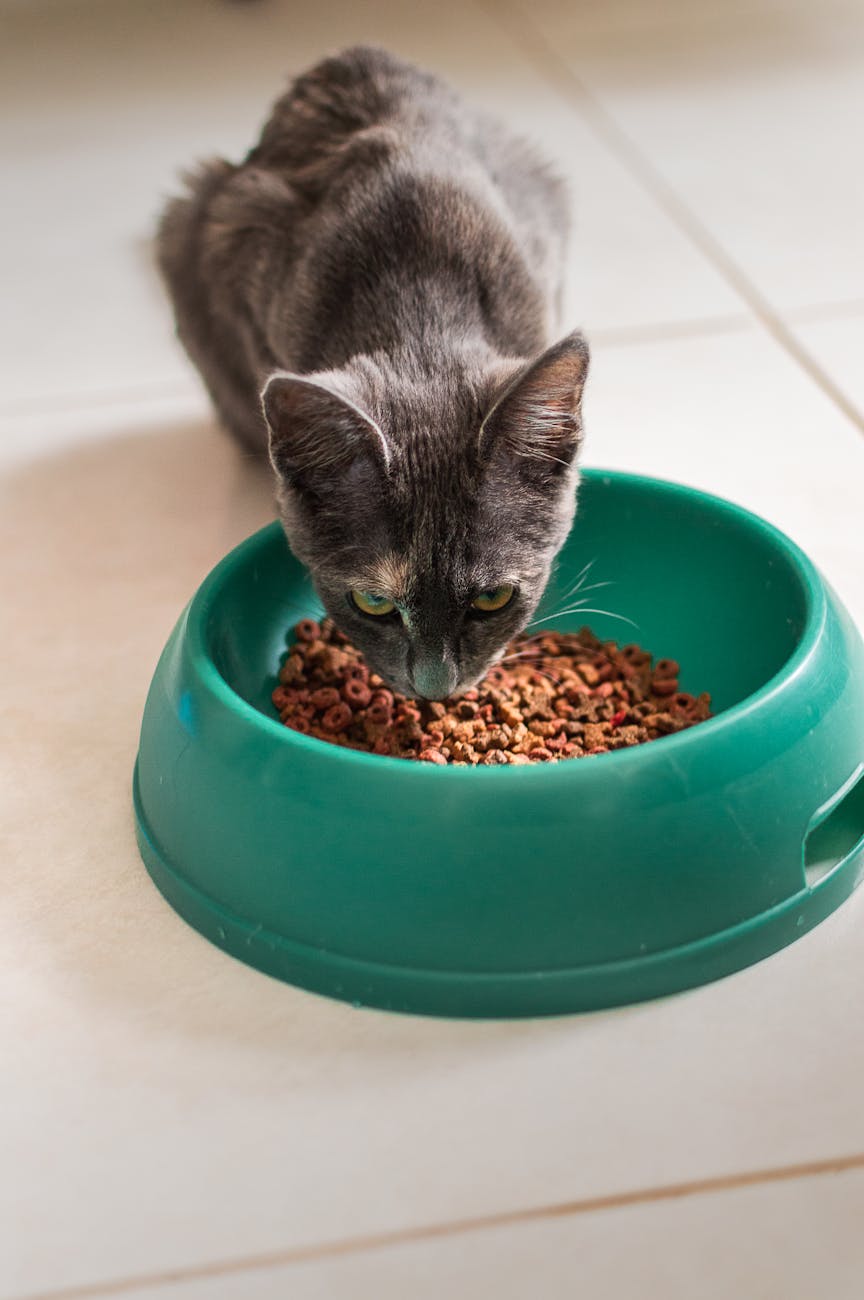
Cat food recalls have become an increasingly serious issue, with contamination, nutrient deficiencies, and dangerous pathogens posing real risks to pets. While many brands maintain high standards, several popular products have been pulled from shelves due to potentially harmful ingredients. Understanding these recalls can help pet owners make safer choices and stay alert to future warnings.
Quest Cat Food Chicken Recipe (2026 Recall)
One of the most recent recalls involved Quest cat food products made by GO Raw LLC. These items were pulled after dangerously low levels of thiamine (vitamin B1) were discovered.
Thiamine deficiency in cats is no small issue. It can lead to neurological problems, loss of appetite, and even death if not addressed quickly.
The recall eventually expanded to include multiple Quest products, with the company halting sales entirely while the issue was investigated.
Savage Cat Food Chicken (Bird Flu Contamination)
Savage Pet cat food made headlines after being recalled for possible contamination with H5N1 avian influenza, commonly known as bird flu.
This was especially alarming because cats that consumed the product reportedly became ill, with symptoms including lethargy, fever, and neurological issues.
Raw pet foods, while trendy, carry higher risks of contamination. This case highlighted how viruses can enter the pet food supply through infected meat sources.
Blue Ridge Beef Kitten Mix (Bacterial Contamination)
Blue Ridge Beef recalled its Kitten Mix after testing revealed contamination with both salmonella and listeria.
These bacteria can cause severe gastrointestinal illness in cats, including vomiting, diarrhea, and fever. In some cases, infections can become life-threatening.
Even more concerning, these pathogens can also spread to humans through handling contaminated food, making proper hygiene critical.
Wild Coast Raw Chicken Formula (Bird Flu Risk)
Wild Coast Raw also issued a recall after cats in multiple households became infected with bird flu linked to their products.
This recall reinforced concerns about raw diets, particularly those using poultry. Authorities warned that contaminated meat can transmit serious viruses to pets and potentially humans.
Despite the growing popularity of raw feeding, this incident showed how quickly things can go wrong when safety controls fail.
Meow Mix, Friskies, and Fancy Feast (Insanitary Conditions Recall)
A large-scale recall impacted multiple well-known brands, including Meow Mix, Friskies, and Fancy Feast.
The issue wasn’t a single ingredient but rather concerns about insanitary conditions in storage and distribution, which can lead to contamination.
This type of recall is particularly troubling because it suggests systemic problems rather than isolated errors. It also affected a wide range of products, increasing the potential exposure risk.
Common Dangerous Ingredients Behind Recalls
While each recall is different, several recurring hazards appear across many cases. These risks often stem from poor quality control, contaminated ingredients, or improper storage.
Here are some of the most common dangers found in recalled cat foods:
- Salmonella and listeria bacteria
- Viral contamination (such as bird flu)
- Nutritional deficiencies (like low thiamine)
- Contaminated raw meat ingredients
- Unsanitary manufacturing or storage conditions
In 2025 alone, tens of thousands of pounds of pet food were recalled, with salmonella being the leading cause.
Conclusion
Cat food recalls are not rare—and they’re not always minor. From deadly bacteria to vitamin deficiencies and even viral contamination, these incidents highlight how vulnerable the pet food supply chain can be.
Staying informed, checking recall lists regularly, and choosing reputable brands with strong safety records can go a long way in protecting your pet’s health.

Leave a Reply