
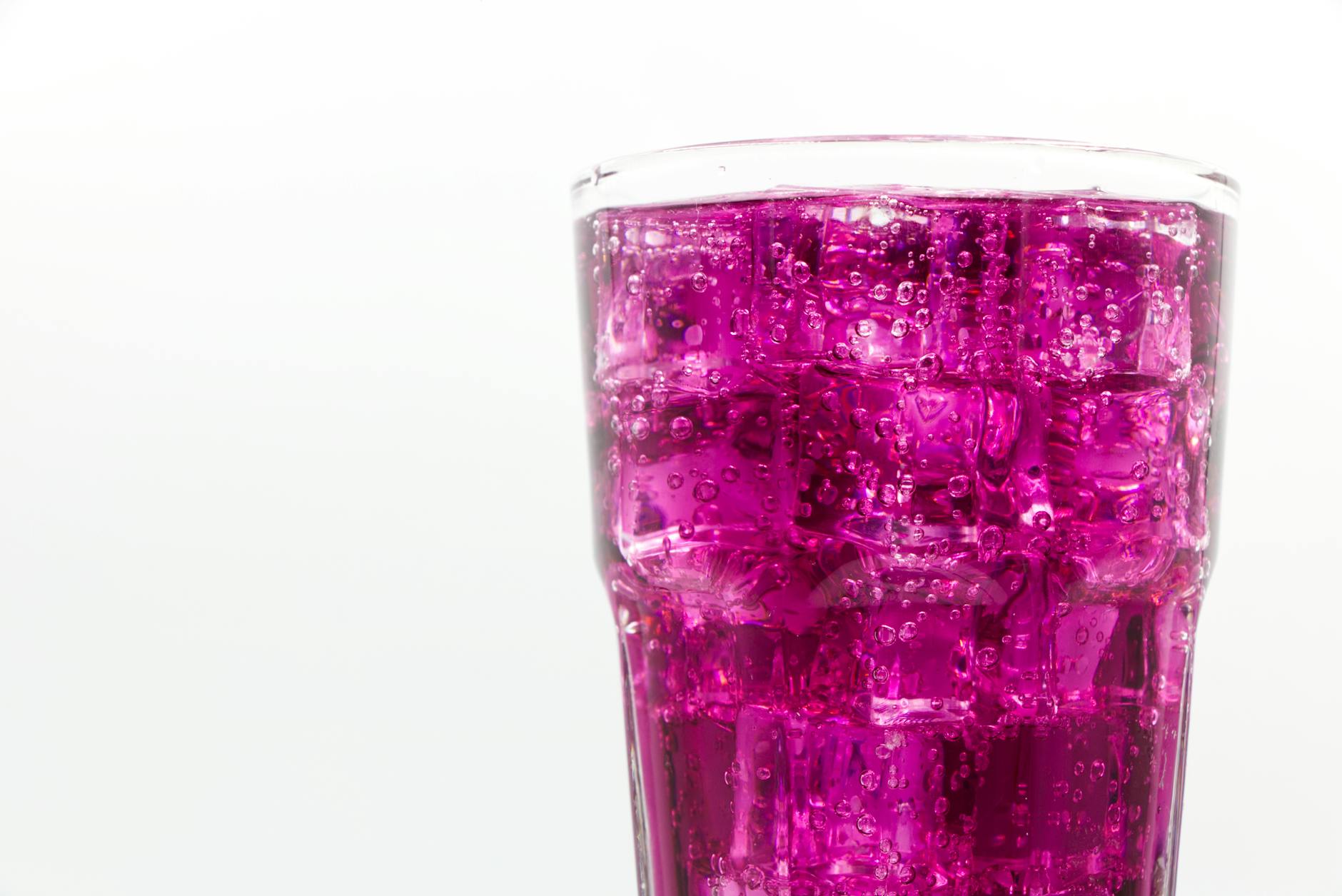
Sodas have long been a staple in refrigerators and vending machines around the world. However, increasing attention to ingredient safety has raised concerns about what’s actually inside some of these popular drinks.
In certain cases, products have been reformulated or temporarily pulled from shelves. These actions reflect a broader shift toward transparency and stricter quality standards in the beverage industry.
Coca-Cola and Caramel Coloring Concerns
Coca-Cola faced scrutiny over its use of caramel coloring, which can produce trace amounts of 4-methylimidazole (4-MEI) during manufacturing. This compound has been linked to potential health risks in high concentrations.
In response to regulatory pressure, the company adjusted its formulation in some markets. Certain batches were also removed during the transition to updated standards.
Pepsi and Similar Additive Issues
Pepsi encountered similar concerns related to caramel coloring and 4-MEI levels. Testing prompted reviews of ingredient sourcing and production processes.
The brand reformulated products in regions with stricter guidelines. These changes aimed to reduce consumer exposure and maintain compliance.
Mountain Dew and Brominated Vegetable Oil Debate
Mountain Dew was long associated with brominated vegetable oil (BVO), an ingredient used to stabilize citrus flavors. BVO raised concerns due to its potential accumulation in the body over time.
Public pressure led to its removal from the formula. Earlier versions containing the ingredient were phased out and effectively pulled from shelves.
Dr Pepper and Preservative Scrutiny
Dr Pepper has been examined for preservatives that can form benzene under certain conditions. Benzene is a known carcinogen when present in significant amounts.
Although levels in beverages are typically very low, the concern prompted reformulation efforts. Some product lots were withdrawn during safety evaluations.
Fanta and Artificial Dye Concerns
Fanta has faced questions over the use of artificial dyes, particularly those linked to behavioral concerns in children. These additives are used to create vibrant colors.
In response, some markets saw reformulated versions with natural colorings. Older formulations were gradually removed from store shelves.
Sprite and Packaging Chemical Issues
Sprite has been included in discussions about chemicals potentially leaching from plastic bottles. Heat and storage conditions can influence how packaging interacts with beverages.
Though risks were considered minimal, certain batches were pulled as a precaution. This highlighted the importance of packaging in overall product safety.
Common Ingredients That Spark Concern
Many soda-related concerns stem from a handful of widely used additives and processes. Advances in testing have made it easier to detect even trace compounds.
Key ingredients and factors include:
- Caramel coloring and 4-MEI formation
- Brominated vegetable oil (BVO)
- Artificial dyes and colorants
- Preservatives that may form benzene
These elements continue to be evaluated by regulators and researchers.
How Consumer Preferences Are Shifting
Consumers are becoming more mindful about what they drink. Many are choosing beverages with fewer artificial ingredients or opting for natural alternatives.
This shift has encouraged soda companies to reformulate products and improve labeling. Transparency is becoming a key factor in brand loyalty.
The Future of Soda Formulations
The soda industry is evolving in response to changing expectations and scientific findings. Companies are investing in cleaner ingredients and safer packaging solutions.
As awareness grows, more products are likely to be reformulated rather than removed entirely. The goal is to balance taste, safety, and consumer trust.


Leave a Reply