
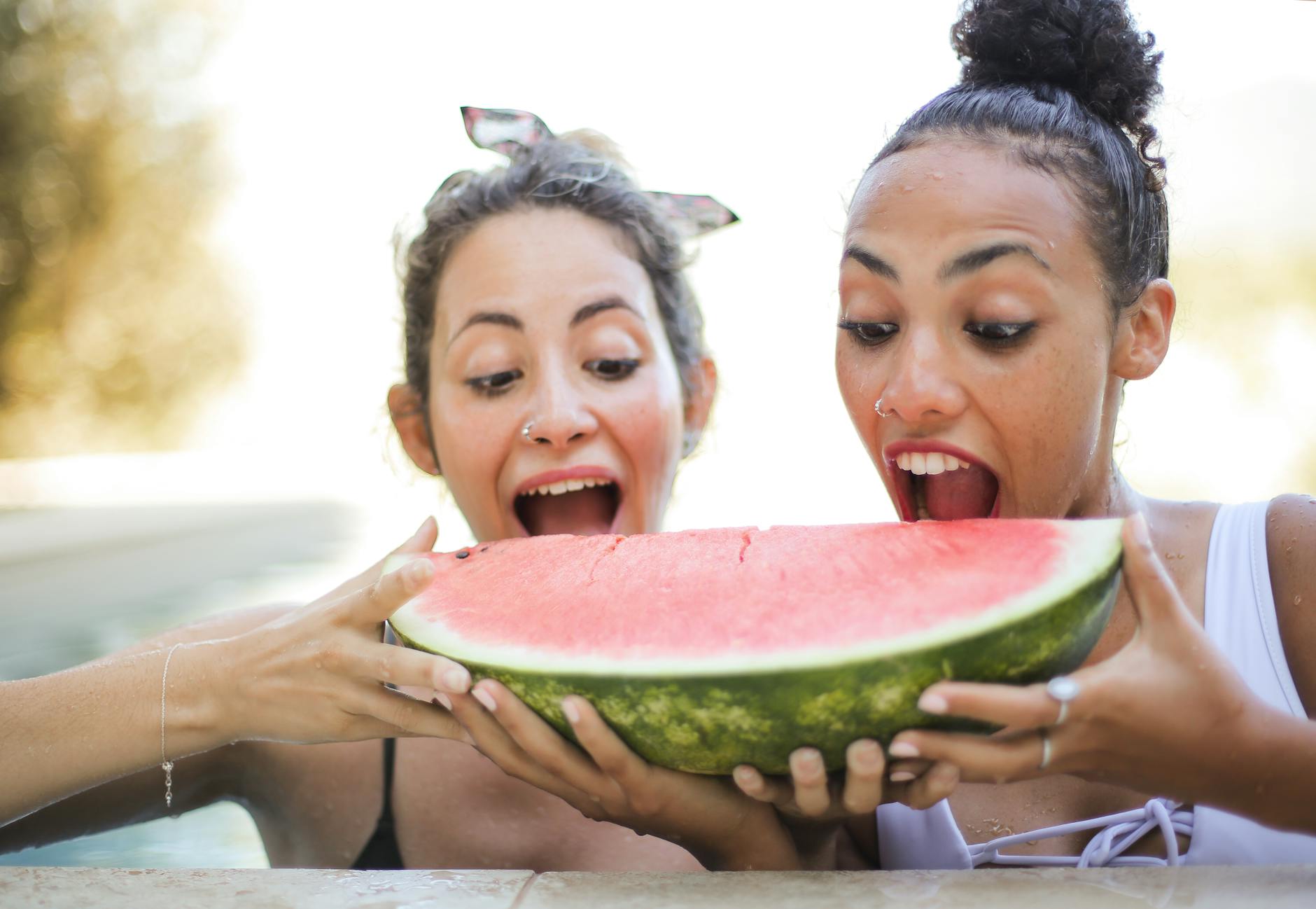
Vacations are a time to relax, explore, and enjoy new experiences—including food. But travel can also expose you to unfamiliar food safety standards, higher risk environments, and ingredients that don’t always agree with your system. What seems like a fun culinary adventure can sometimes lead to discomfort or even illness.
Being selective about what you eat while traveling can help you avoid unnecessary problems. Here are six foods you should be cautious about—or avoid altogether—while on vacation.
Raw or Undercooked Seafood
Raw seafood, including sushi and oysters, can be risky in unfamiliar locations. Even in reputable restaurants, the handling and storage conditions may vary significantly from what you’re used to.
When traveling, it’s harder to verify freshness or sourcing practices. This increases the chance of foodborne illness, especially in warmer climates.
Cooking seafood thoroughly reduces this risk significantly. On vacation, it’s often safer to choose fully cooked options.
Buffet Foods Left Out Too Long
Buffets are common in resorts and hotels, but they come with hidden risks. Food that sits out for extended periods can enter unsafe temperature ranges.
Bacteria can grow quickly when hot or cold foods aren’t properly maintained. This is especially concerning in outdoor or high-traffic settings.
Even if the food looks fresh, you may not know how long it has been sitting. That uncertainty makes buffets a risky choice.
Pre-Cut Fruit from Street Vendors
Fresh fruit is usually a healthy option, but pre-cut fruit sold by street vendors can be problematic. Once fruit is cut, it becomes more vulnerable to contamination.
Exposure to air, handling, and unsanitary cutting tools can increase risk. In hot climates, spoilage can happen quickly.
Whole fruit is generally a safer alternative. It reduces the chance of contamination during preparation.
Tap Water and Ice in Certain Countries
Water quality varies widely around the world, and in some destinations, tap water may not be safe to drink. Ice made from untreated water can also carry risks.
Even brushing your teeth with unsafe water can cause stomach issues. Travelers often overlook ice as a potential source of contamination.
When in doubt, stick to bottled or filtered water. This simple precaution can prevent unwanted illness during your trip.
Unpasteurized Dairy Products
Unpasteurized milk, cheese, or yogurt can carry harmful bacteria if not properly processed. While they may be traditional in some regions, they pose a higher risk to travelers.
Your body may not be accustomed to local bacterial strains. This can increase the likelihood of digestive upset.
Unless you are certain of safe handling practices, it’s best to avoid these products. Pasteurized options are much safer.
Street Food with Poor Hygiene Conditions
Street food can be one of the highlights of travel, but hygiene standards vary widely. Poor handwashing practices or unsafe cooking surfaces can increase contamination risk.
Look for vendors with high turnover and visible cleanliness. Even then, caution is important.
Common warning signs to watch for include:
- Food sitting uncovered for long periods
- Lack of refrigeration or cooling methods
- Unclean utensils or surfaces
- Vendors handling money and food without washing hands
Choosing wisely can help you enjoy street food safely.
Conclusion
Trying new foods is one of the best parts of traveling, but safety should always come first. Certain items carry higher risks due to storage, preparation, or environmental factors.
By being mindful of where and how your food is prepared, you can reduce the chance of illness. Smart choices help ensure your vacation is memorable for the right reasons.



Leave a Reply