
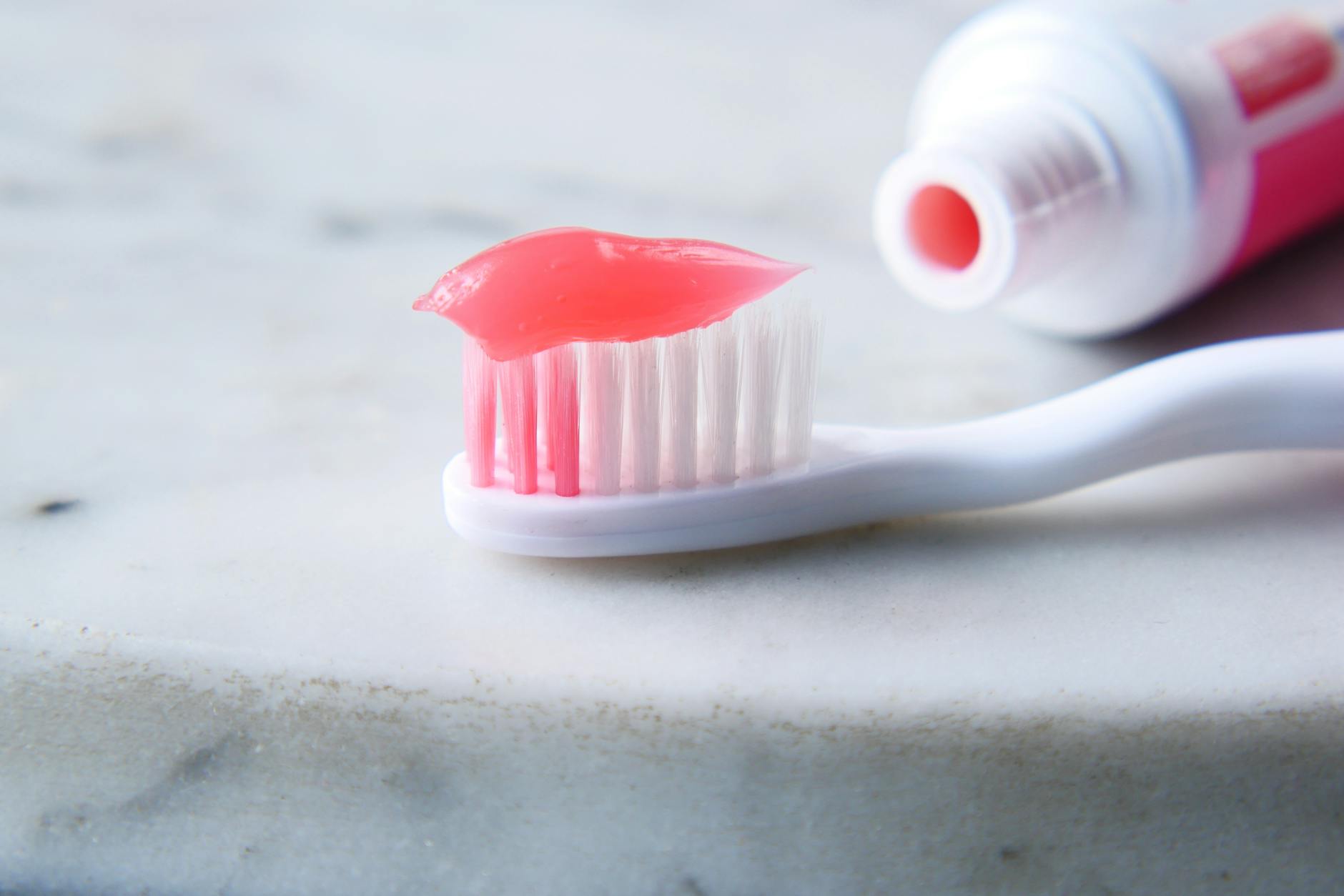
Toothpaste is a daily essential, but not all formulations have remained controversy-free. Over the years, certain products have faced scrutiny due to ingredients linked to potential health risks.
In some cases, these concerns led to discontinuations or reformulations. Increased awareness has pushed both regulators and consumers to take a closer look at what goes into oral care products.
Colgate Total and Triclosan Controversy
Colgate Total once contained triclosan, an antibacterial agent used to fight plaque and gingivitis. However, concerns grew over its potential effects on hormone function and antibiotic resistance.
Regulatory pressure and consumer backlash eventually led to the removal of triclosan from the formula. The original version was effectively discontinued and replaced with a safer alternative.
Crest Pro-Health and Stannous Fluoride Reactions
Crest Pro-Health faced complaints related to irritation and sensitivity, often linked to its use of stannous fluoride. Some users reported mouth irritation and changes in taste perception.
While not entirely discontinued, certain formulations were pulled or reformulated. The brand adjusted its ingredients to address consumer concerns.
Pepsodent and Diethylene Glycol Scare
Pepsodent was among brands affected during broader concerns over diethylene glycol contamination in toothpaste products. This toxic substance is sometimes associated with industrial use.
Although incidents were limited and often tied to counterfeit or improperly manufactured batches, affected products were removed from circulation. The situation prompted stricter oversight of global supply chains.
Aim and Abrasive Ingredient Issues
Aim toothpaste faced scrutiny over abrasive compounds used to enhance whitening. Excessive abrasiveness can potentially damage enamel over time.
Some older formulations were discontinued or updated to reduce risk. The changes reflected growing emphasis on balancing effectiveness with safety.
Tom’s of Maine and Natural Ingredient Concerns
Tom’s of Maine, known for natural products, encountered concerns about certain ingredients and bacterial contamination risks. Despite its eco-friendly image, no brand is immune to scrutiny.
Some batches were pulled while safety reviews were conducted. The company responded by improving testing and quality assurance processes.
Common Ingredients That Raised Red Flags
Several toothpaste ingredients have repeatedly sparked concern among researchers and consumers. These substances are often safe in small amounts but can become controversial under certain conditions.
Frequently questioned ingredients include:
- Triclosan and other antibacterial agents
- Artificial sweeteners and flavorings
- Abrasive compounds for whitening
- Contaminants from manufacturing processes
Awareness of these components has influenced purchasing decisions.
How Consumer Preferences Are Changing
Today’s shoppers are more informed and cautious about oral care products. Many seek out toothpastes labeled fluoride-free, SLS-free, or made with natural ingredients.
This shift has encouraged brands to simplify formulations and increase transparency. Clear labeling has become a major factor in building trust.
The Future of Toothpaste Safety
The toothpaste industry continues to evolve in response to scientific findings and consumer demand. Companies are investing in safer alternatives and improved testing methods.
As standards tighten, discontinued products often give way to better formulations. The goal is to ensure effective oral care without compromising long-term health.




Leave a Reply