
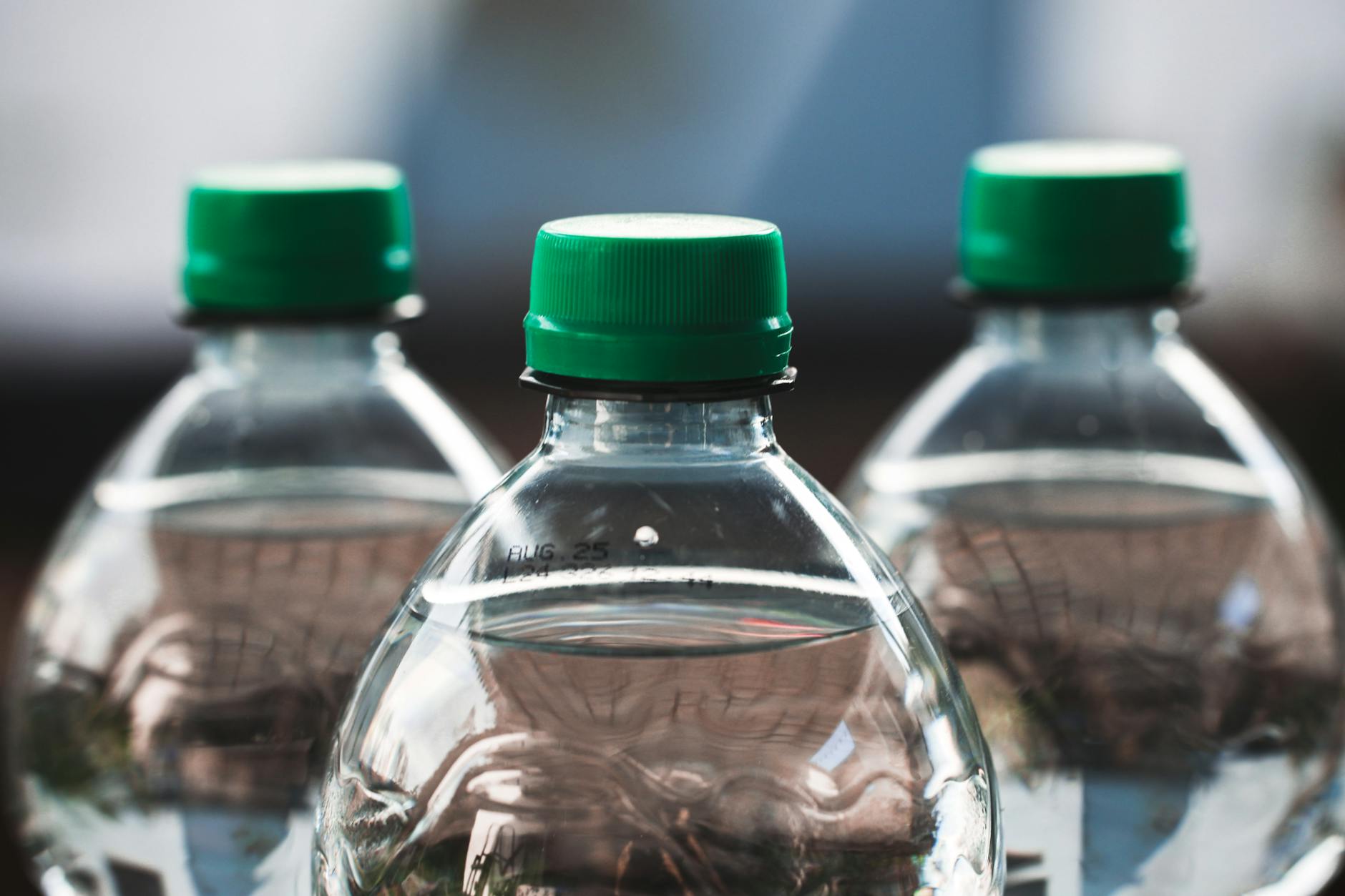
The bottled water industry looks strong on the surface, but beneath the growth headlines lies intense competition, rising costs, and growing scrutiny. Smaller or niche brands—especially those relying on premium pricing—face increasing pressure to stay profitable in 2026.
It’s important to be clear: predicting bankruptcy is speculative. However, based on industry trends like sustainability costs, shifting consumer habits, and consolidation, some brands appear more vulnerable than others.
Nestlé Waters (Restructuring Pressure)
Nestlé’s bottled water division has already shown signs of instability through restructuring and partial withdrawal from the category. The company has been shifting focus toward more profitable segments, signaling reduced confidence in water as a core business.
Recent controversies and legal scrutiny around water sourcing and labeling have also added pressure. Reports indicate the company is actively scaling back parts of its water portfolio.
While not at risk of collapse as a whole, its water brands face uncertainty. That kind of restructuring often signals long-term instability within a segment.
The Alkaline Water Company
Premium alkaline water brands rely heavily on marketing and perceived health benefits. As consumer skepticism grows, these products may struggle to justify higher price points.
The market is becoming saturated with similar “functional” water offerings. This makes it harder for smaller players to stand out or maintain margins.
With rising costs and competition, niche positioning can quickly become a liability. Without strong differentiation, long-term survival becomes uncertain.
Aquabotanical
Aquabotanical has faced legal and financial challenges tied to intellectual property disputes. These issues have created instability at the leadership and ownership level.
When companies are tied up in litigation, growth often stalls. Financial strain from legal battles can also impact long-term viability.
Even innovative concepts can struggle if internal conflicts aren’t resolved. In competitive markets, that can quickly lead to decline.
Primo Water
Primo Water operates in both bottled and delivery segments, which brings logistical complexity. Rising transportation and packaging costs can significantly impact profitability.
The company has seen growth in certain segments, but also faces pressure from shifting consumer preferences. Direct-to-consumer delivery models are expensive to maintain at scale.
In a tightening market, high operational costs can become a major risk factor. Efficiency becomes critical for survival.
Liquid Death
Liquid Death has gained attention through bold branding and alternative packaging. However, its success depends heavily on marketing momentum rather than necessity.
As competition increases, novelty alone may not sustain long-term growth. Consumers may shift toward cheaper or more traditional options over time.
While currently popular, brands built on hype can face volatility. Sustaining profitability is often the biggest challenge.
Regional Private Label Brands
Private label and regional bottled water brands face some of the toughest conditions. They compete primarily on price in an already low-margin industry.
At the same time, they must deal with rising packaging costs and stricter environmental expectations. These pressures can quickly erode profitability.
- Increasing regulatory pressure on plastic use
- Higher transportation and production costs
- Limited brand loyalty compared to major players
Without strong differentiation, these brands are especially vulnerable. Many may consolidate or disappear rather than adapt.
Conclusion
The bottled water industry isn’t shrinking, but it is becoming more competitive and more expensive to operate. Growth is increasingly concentrated among large, efficient players and brands that can adapt to sustainability demands.
Smaller or niche companies face the greatest risk, particularly those relying on premium pricing or narrow positioning. In 2026, survival will depend less on demand and more on operational resilience and adaptability.


Leave a Reply