
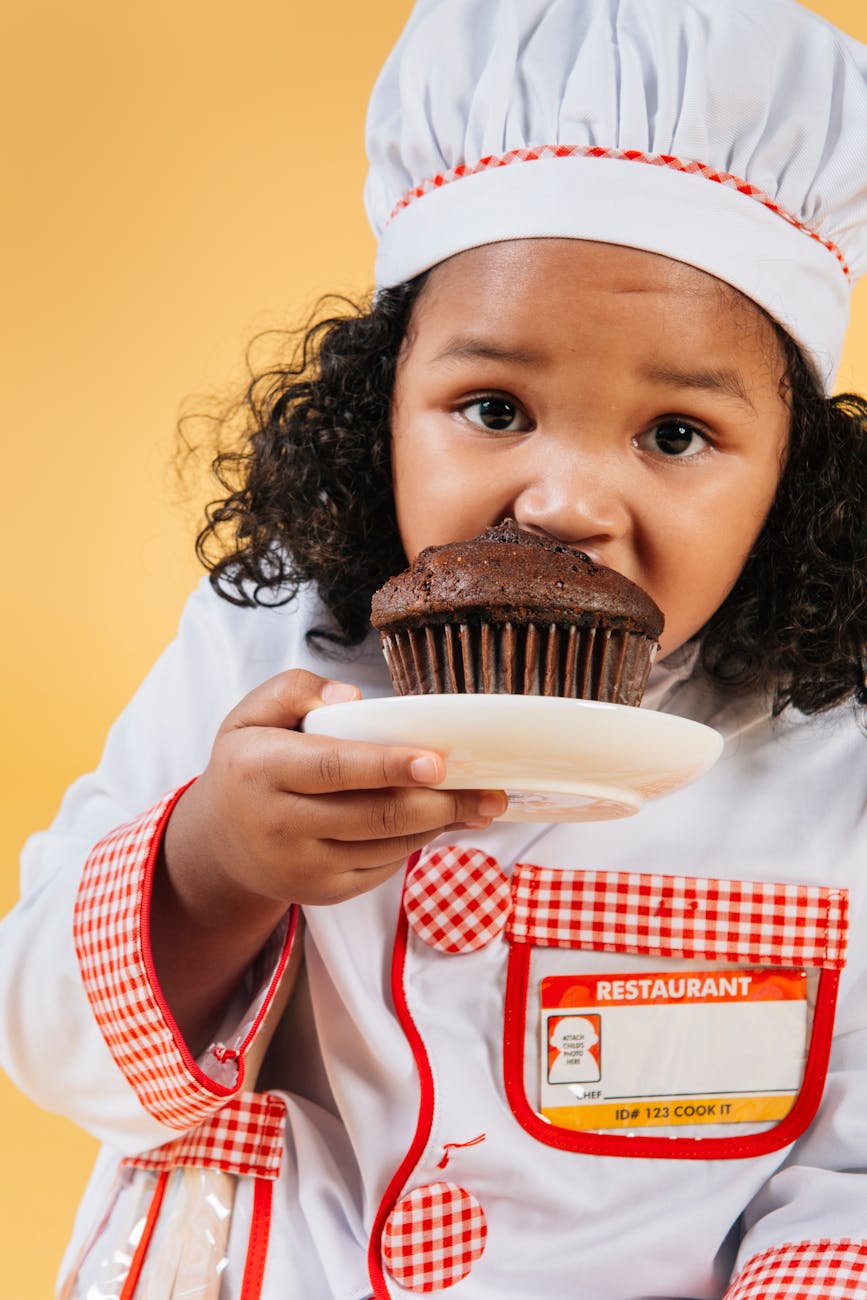
Little Debbie snacks became a staple in American households long before snack aisles were dominated by modern protein bars and gourmet treats. For many Baby Boomers, these packaged desserts were a lunchbox highlight, a road trip reward, or an after-school comfort food. Introduced in the early 1960s, the brand quickly built a reputation for affordable, sweet baked goods that felt both fun and familiar.
Over time, certain snacks became especially iconic, shaping childhood memories across decades. These treats weren’t just convenient—they became part of everyday life in a way that still resonates today.
Oatmeal Creme Pies
Oatmeal Creme Pies were one of the earliest and most recognizable Little Debbie creations. Soft oatmeal cookies filled with sweet vanilla creme made them a comforting and filling snack for school lunches.
Baby Boomers often remember them as a “special treat” that felt homemade despite being packaged. Their chewy texture and simple flavor helped them stand out in early snack aisles.
Swiss Cake Rolls
Swiss Cake Rolls brought a more indulgent feel to lunchbox desserts with their chocolate sponge cake and creamy filling. Coated in a thin layer of chocolate, they were often unwrapped with anticipation.
For many Boomers, these rolls felt like a miniature bakery dessert in a convenient form. They became a go-to for celebrations, field trips, and weekend snacks.
Nutty Buddy Bars
Nutty Buddy Bars combined peanut butter layers with crispy wafers and a chocolate coating. The stacked texture made them more substantial than typical cookie snacks.
They were especially popular among kids who wanted something that felt more filling. The mix of crunch and creaminess gave them a distinct identity in the lineup.
Zebra Cakes
Zebra Cakes stood out visually with their white icing stripes over soft vanilla cake. The bold pattern made them instantly recognizable in any lunchbox.
Boomers who grew up during later production years often associate them with school snacks and vending machines. Their sweet, soft texture made them especially appealing to younger kids.
Honey Buns
Honey Buns offered a dense, glazed pastry experience that felt closer to bakery-style comfort food. Often enjoyed warm or straight from the package, they were a breakfast and snack hybrid.
Their sticky sweetness made them memorable for road trips and early mornings. Many recall them as one of the most satisfying grab-and-go treats.
Fudge Rounds
Fudge Rounds delivered rich chocolate flavor with a soft, brownie-like texture and creamy filling. They were less crisp than other snacks, leaning more toward dense indulgence.
For Baby Boomers, they represented a more decadent option in the snack lineup. Their chocolate-heavy profile made them a favorite for dessert lovers.
Star Crunch
Star Crunch combined caramel, crispy rice, and chocolate coating into a chewy, textured treat. The mix of ingredients gave it a distinctive bite compared to simpler cookies.
It became especially popular in school lunches where variety mattered. Many remember it as one of the more unique Little Debbie options of its time.
Cosmic Brownies
Cosmic Brownies added colorful candy-coated toppings to a dense fudge base. While slightly newer than some classics, they quickly became a nostalgic favorite for later Boomers and their children.
Their rich chocolate flavor and bright sprinkles made them visually fun and memorable. They stood out as one of the more playful additions to the brand.
Strawberry Shortcake Rolls
Strawberry Shortcake Rolls offered a lighter, fruit-forward option compared to chocolate-heavy snacks. With soft cake and strawberry-flavored filling, they provided a different kind of sweetness.
Many Boomers recall them as a refreshing alternative in an otherwise rich lineup. Their pastel appearance and fruity taste made them especially popular in warmer months.
Conclusion
Little Debbie snacks hold a unique place in American food history, especially for Baby Boomers who grew up during the brand’s rise. These treats weren’t just convenient desserts—they became everyday comforts tied to school, family trips, and simple routines.
Even today, many of these snacks continue to be sold, while others remain deeply tied to nostalgia. Their lasting appeal shows how strongly food can connect to memory and shared cultural experience.



Leave a Reply