
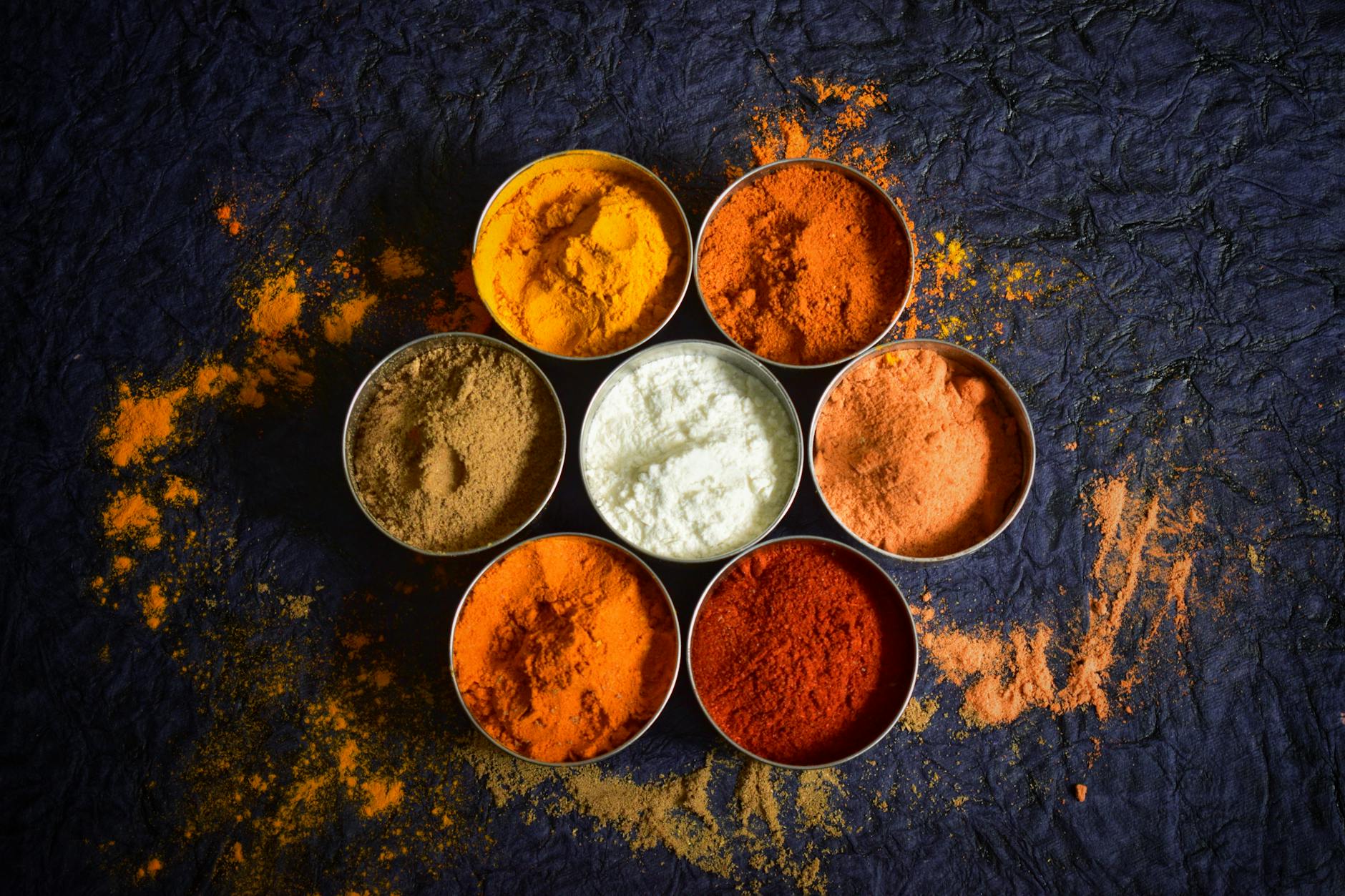
Spices are one of the easiest ways to transform everyday meals without adding complexity or extra effort in the kitchen. While most home cooks rely on familiar staples like salt, pepper, garlic powder, and paprika, there is a whole world of lesser-used spices that can dramatically elevate flavor.
These underrated spices often sit quietly in the back of the pantry, but they bring depth, aroma, and balance to dishes in ways many people overlook. Incorporating them into regular cooking can make even simple meals taste more intentional and layered.
Sumac
Sumac is a tangy, deep red spice commonly used in Middle Eastern cooking, known for its lemony, slightly fruity acidity. It adds brightness to dishes without the need for fresh citrus juice.
Sprinkled over salads, grilled meats, or roasted vegetables, it enhances flavor without overpowering the dish. Its subtle sourness makes it especially useful in seasoning blends where balance is key.
Many home cooks overlook sumac because it is less common in mainstream spice racks. However, once introduced, it quickly becomes a go-to finishing spice for adding freshness.
Fenugreek
Fenugreek has a slightly bitter, maple-like flavor that becomes richer when cooked. It is widely used in Indian cuisine, especially in spice blends like curry powders and masalas.
When used correctly, fenugreek adds depth and warmth to stews, lentils, and sauces. A small amount goes a long way due to its strong, distinctive taste.
Many people avoid it because of its bitterness in raw form, but cooking transforms it into something much more balanced. It is especially effective in slow-cooked dishes where flavors develop over time.
Aleppo Pepper
Aleppo pepper is a mildly spicy, slightly fruity chili flake commonly used in Middle Eastern and Mediterranean cooking. It offers heat without overwhelming the palate, making it more approachable than traditional crushed red pepper.
Its subtle sweetness and mild smokiness make it ideal for seasoning meats, vegetables, and dips. It also works well as a finishing spice sprinkled over dishes just before serving.
Unlike sharper chili flakes, Aleppo pepper builds flavor gradually. This makes it a great option for those who want warmth without intense spice burn.
Ground Cardamom
Cardamom is often associated with baking and desserts, but its savory applications are frequently overlooked. It has a complex flavor profile that combines citrus, herbal, and slightly floral notes.
In savory dishes, cardamom enhances rice, soups, and meat-based recipes, especially in South Asian and Middle Eastern cuisine. It adds aromatic depth that elevates simple ingredients.
Because it is strong, it is best used in small amounts. When balanced properly, it brings a subtle richness that lingers without dominating the dish.
Smoked Paprika
Smoked paprika is made from dried peppers that are smoked before being ground, giving it a deep, smoky flavor. It differs significantly from regular paprika, which is often milder and less complex.
It works especially well in roasted vegetables, grilled meats, and sauces where a smoky undertone is desired. Even small amounts can make dishes taste more robust and layered.
Many cooks underestimate how versatile it is, using it only in specific recipes. In reality, it can be added to everything from soups to marinades for instant depth.
Conclusion
Exploring lesser-known spices is one of the simplest ways to upgrade everyday cooking without changing your entire approach to food. These ingredients bring new dimensions of flavor that can turn basic meals into something more memorable and satisfying.
By incorporating a few of these underrated spices into your pantry, you can expand your cooking range and experiment with new flavor profiles. Over time, they become essential tools rather than occasional additions.




Leave a Reply