
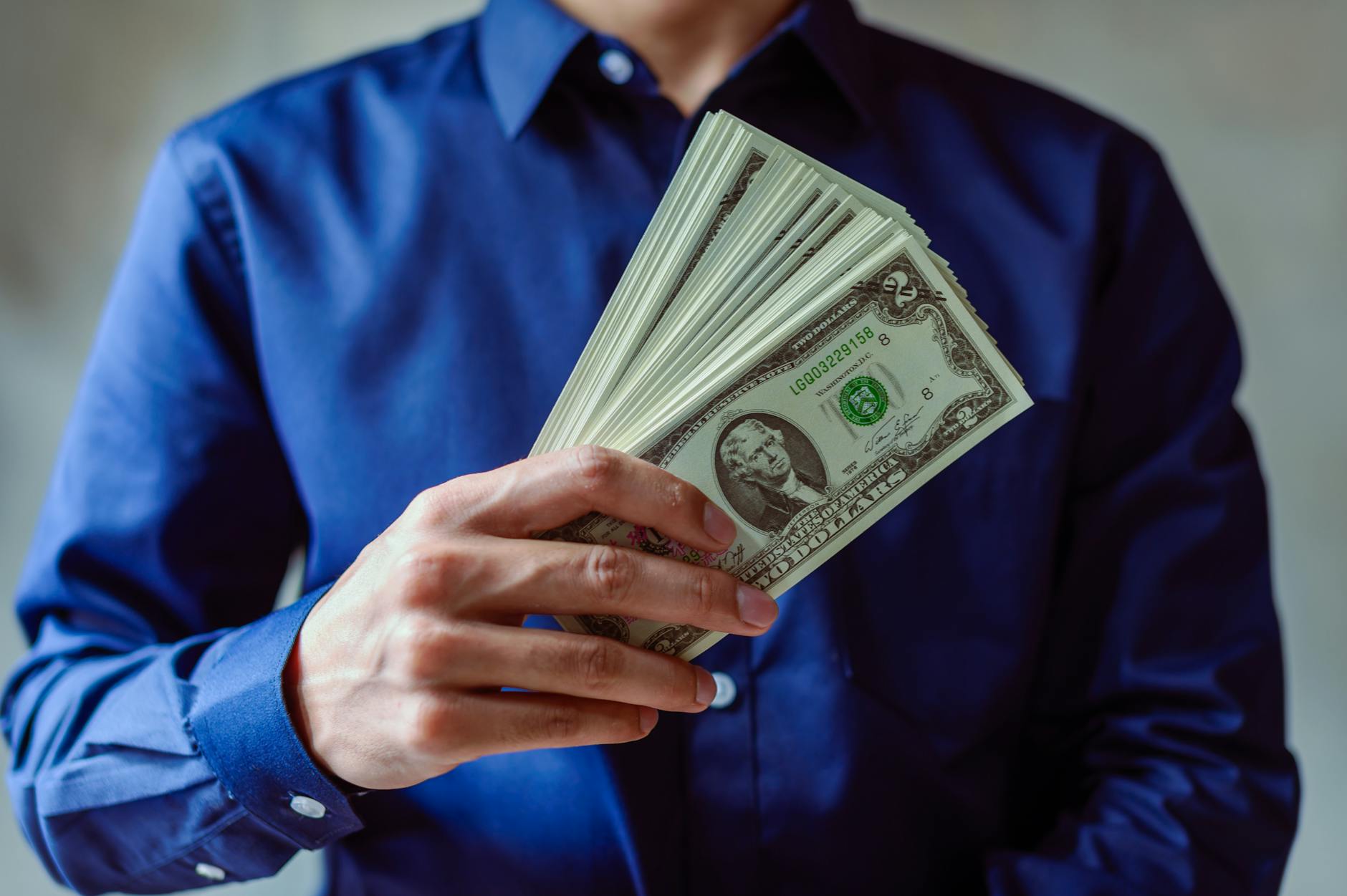
While most people think of $2 bills as rare or novelty currency, certain editions have become highly valuable among collectors. The worth of a $2 bill depends on factors like age, condition, printing method, serial numbers, and historical significance. Some can be worth only slightly above face value, while others sell for thousands of dollars at auction. Understanding what makes these bills valuable helps explain why collectors are willing to pay so much for seemingly ordinary currency.
Here are eight of the most valuable $2 bills ever known in numismatic circles.
1862 Legal Tender $2 Bill
The earliest $2 bills were issued during the Civil War era, and the 1862 Legal Tender note is one of the most sought-after. These bills feature intricate engravings and historical signatures that make them highly collectible.
Because so few survived in good condition, high-grade examples can command significant prices among serious collectors. Their historical importance adds to their value beyond just rarity.
1869 “Rainbow” $2 Bill
The 1869 series is known for its colorful design, often called the “Rainbow Note” due to its vibrant ink patterns. These bills are considered some of the most visually striking early U.S. currency.
Collectors prize them for both their artistry and scarcity. Well-preserved versions can sell for several thousand dollars depending on condition.
1890 Treasury Note $2 Bill
The 1890 $2 Treasury Note is another highly valuable edition, featuring ornate designs and detailed engraving. These notes were issued in limited quantities compared to later series.
Their historical context and low survival rate make them especially desirable in the collector market, with high-grade examples reaching impressive auction prices.
1896 Educational Series $2 Bill
The 1896 Educational Series is widely regarded as one of the most beautiful U.S. currency designs ever printed. The $2 bill from this series features allegorical imagery representing science and education.
Because of its artistic value and limited production, it is one of the most famous collectible $2 bills. Even moderately worn examples can be worth thousands.
1918 Federal Reserve Bank Note $2 Bill
The 1918 $2 Federal Reserve Bank Note features a unique design with intricate borders and early Federal Reserve printing elements.
These notes are valuable due to their age and limited surviving population. Crisp, uncirculated versions are especially rare and highly prized by collectors.
1928 Red Seal $2 Bill (Star Notes Included)
The 1928 series introduced the modern-sized $2 bill format, and Red Seal versions are among the most collectible. Star notes—replacement bills marked with a star in the serial number—are even rarer.
Certain combinations of serial numbers, condition, and printing variations can significantly increase value.
1953 Red Seal $2 Bill (Low Serial Numbers)
The 1953 $2 bill is more common, but specific versions with low serial numbers or printing errors can be worth much more than face value.
Collectors often seek out bills with unique serial patterns, such as repeating numbers or early print runs, which can dramatically increase desirability.
1976 Bicentennial $2 Bill (Uncirculated Packs)
The 1976 $2 bill was reintroduced to celebrate the United States Bicentennial. While many are still worth only face value, uncirculated packs—especially those with sequential serial numbers—can be valuable to collectors.
Special print runs and pristine condition examples are the most sought after, particularly those kept in original government packaging.
Conclusion
The value of a $2 bill depends heavily on its history, condition, and rarity. While most modern versions are still worth only face value, older series and special print variations can be extremely valuable. For collectors, these bills represent more than currency—they are pieces of American history that continue to grow in demand over time.


Leave a Reply