
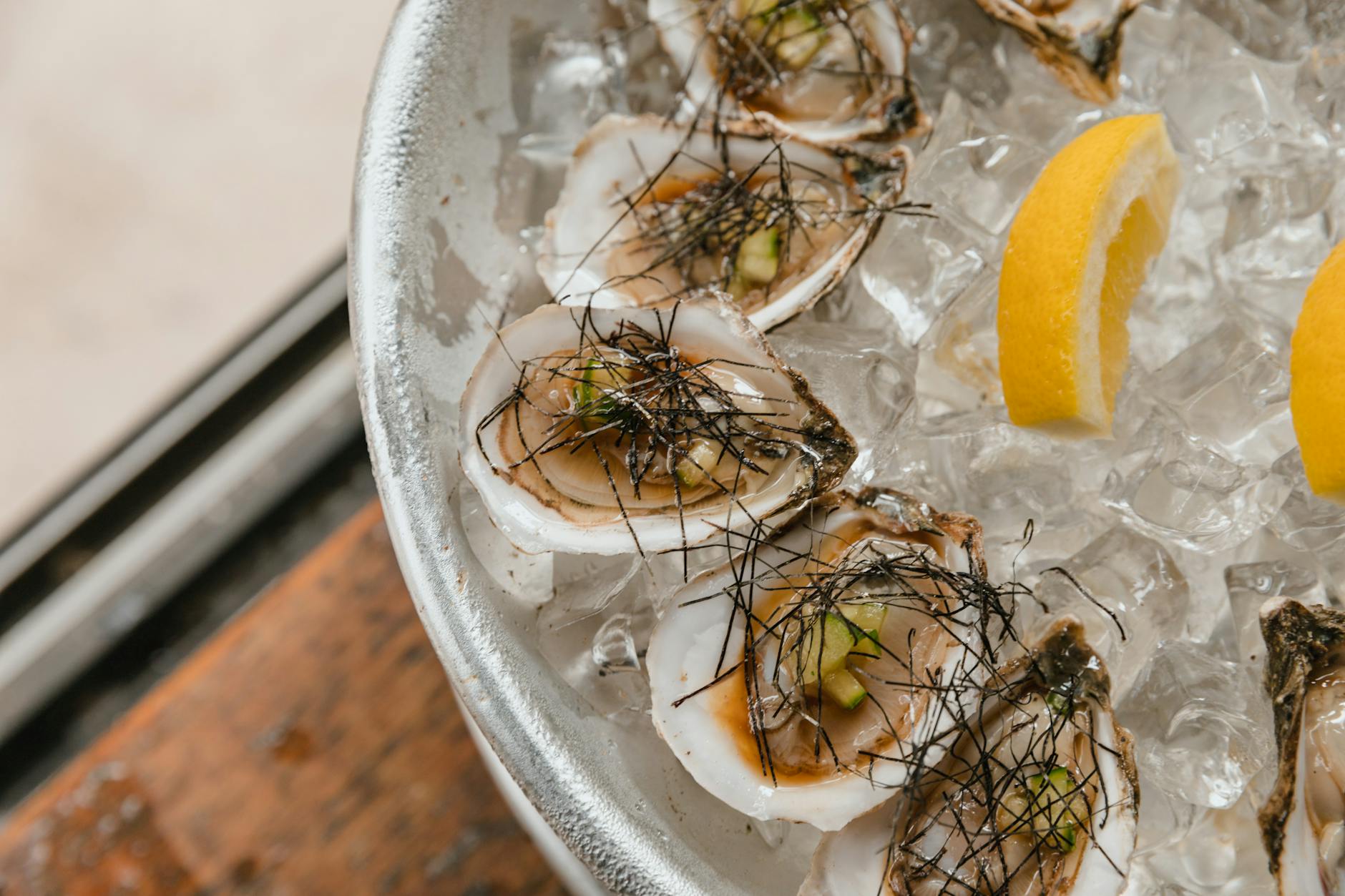
Oyster-related food safety alerts have been increasing in recent years, with several contamination incidents linked to norovirus outbreaks and bacterial risks. Because oysters are often eaten raw, they are especially vulnerable to dangerous pathogens that can spread quickly through food distribution channels.
In 2026, multiple recalls have drawn attention to shellfish safety, highlighting concerns across distributors, restaurants, and seafood markets. While no consumer should assume all oysters are unsafe, certain recalled batches have raised serious public health warnings.
Below are seven major oyster recall cases frequently referenced in food safety alerts involving contamination risks that prompted widespread removal from the market.
Stellar Bay Shellfish Oysters: Norovirus Contamination Risk
One of the largest 2026 recalls involved oysters from Stellar Bay Shellfish Ltd.. These oysters were distributed to multiple U.S. states and linked to reports of norovirus-like illness.
Health officials advised restaurants and retailers to stop serving specific harvest batches due to potential contamination. Norovirus is especially concerning because it spreads easily and causes severe gastrointestinal illness.
Kusshi, Chrome Point, and Brand-Labeled Oysters: Expanded Recall
The same Canadian supplier also distributed oysters under several brand names, including Kusshi and Chrome Point. These products were included in an expanded recall after additional illness reports surfaced.
The issue stemmed from oysters harvested during a narrow time window, increasing concerns about contamination affecting multiple product lines rather than a single batch.
Drayton Harbor Oysters: Washington State Outbreak Link
Oysters harvested from Drayton Harbor in Washington were tied to norovirus-like illness cases across multiple meal parties. This triggered a regional recall affecting restaurants and seafood distributors.
Officials warned that even properly stored shellfish could still carry contamination if harvested from affected waters.
Gomez Shellfish Oysters: Hammersley Inlet Closure
Another major recall involved oysters from Gomez Shellfish LLC harvested in Hammersley Inlet. This case led to a full advisory not to consume any shellstock from the affected harvest period.
Health agencies emphasized that contamination risk was linked to environmental conditions in the growing area rather than handling errors alone.
Washington State Multi-Batch Oyster Recall
Several oyster batches harvested across different dates in Washington were recalled after multiple illness reports. The affected products were distributed widely to restaurants and food retailers in several states.
Officials noted that cross-distribution made tracing contaminated oysters especially difficult, increasing the scale of the recall response.
British Columbia Harvest Area Recall Expansion
A broader advisory covered oysters from a specific British Columbia harvesting zone after illnesses were reported in multiple U.S. states. This recall included multiple harvest dates within a defined seasonal window.
The expansion of the alert showed how quickly shellfish contamination concerns can grow once linked to a shared growing environment.
Multi-State Restaurant Distribution Cases
Some contaminated oyster batches were traced directly to restaurant distribution networks, where diners reported symptoms after consuming raw oysters. These cases led to immediate removal of products from menus.
Because oysters are often served raw, even a small contamination event can lead to widespread illness reports across multiple locations.
Conclusion
Recent oyster recalls highlight how vulnerable raw shellfish can be to environmental contamination, particularly norovirus outbreaks. From Canadian harvest zones to Washington coastal waters, multiple regions have been affected by precautionary recalls aimed at protecting public health.
While oysters remain a popular delicacy, these incidents show the importance of monitoring food safety alerts and understanding the risks associated with raw seafood consumption.


Leave a Reply