
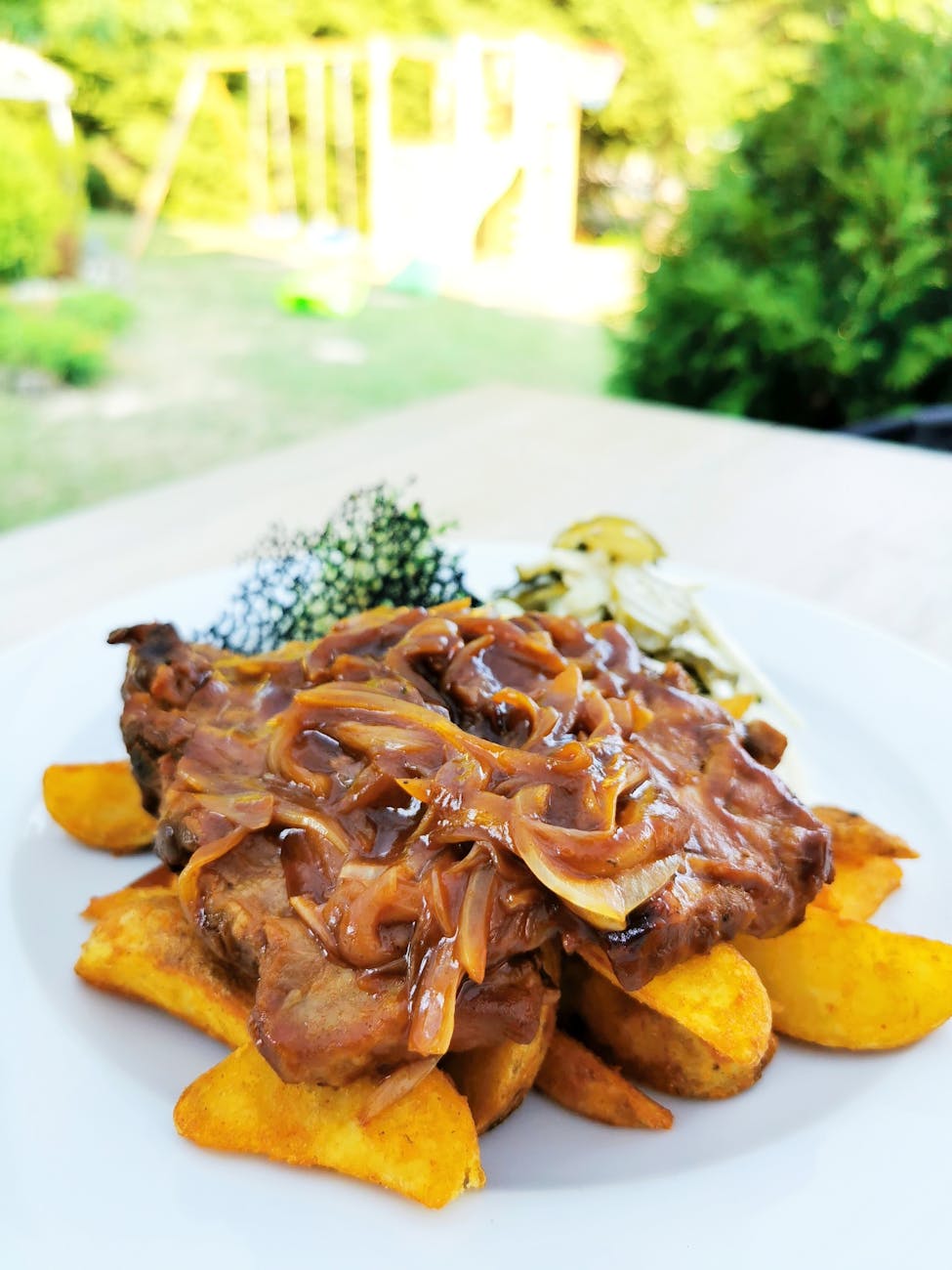
Food has a powerful way of capturing a moment in time, and for many Baby Boomers, dinner growing up looked very different from what’s common today. Convenience foods were on the rise, casseroles ruled the table, and family meals often centered around hearty, budget-friendly dishes. While some of these meals have faded from popularity, they remain deeply nostalgic for those who grew up in the 1950s through the 1970s. Here are seven classic dinner foods that many Baby Boomers will instantly recognize.
Salisbury Steak: TV Dinner Royalty
Salisbury steak was a staple of mid-century dinners, especially with the rise of frozen TV trays. Typically made from ground beef shaped into a patty and covered in rich brown gravy, it was often served alongside mashed potatoes and peas.
It offered the comfort of a “steak-like” meal without the cost of a real cut of beef. For many families, it became a go-to dinner that balanced affordability with a sense of indulgence.
Tuna Noodle Casserole: The Pantry Classic
Few dishes define the era quite like tuna noodle casserole. Made with canned tuna, egg noodles, cream of mushroom soup, and sometimes topped with crushed potato chips, it was both simple and filling.
This dish was especially popular because it relied heavily on shelf-stable ingredients, making it easy to throw together without frequent grocery trips. Its creamy texture and mild flavor made it a household favorite.
Meatloaf with Ketchup Glaze: A Weekly Staple
Meatloaf was a regular feature on dinner tables, often served once a week in many households. Made from ground beef mixed with breadcrumbs and seasonings, it was baked and topped with a tangy ketchup glaze.
It was economical, easy to prepare in large portions, and perfect for leftovers. Paired with mashed potatoes and green beans, it became one of the most recognizable comfort meals of the time.
Chicken à la King: Creamy and Elegant
Chicken à la King brought a touch of sophistication to home dinners. This creamy dish combined diced chicken with mushrooms, peppers, and a rich sauce, typically served over toast, rice, or puff pastry.
It was often seen as a slightly more “fancy” meal, suitable for guests or special occasions, while still being relatively easy to prepare with canned or leftover chicken.
Stuffed Bell Peppers: A Colorful Classic
Stuffed bell peppers were both visually appealing and practical. Bell peppers were filled with a mixture of ground beef, rice, and tomato sauce, then baked until tender.
This dish allowed families to stretch smaller amounts of meat while still creating a satisfying meal. Its balance of protein, grains, and vegetables made it a well-rounded dinner option.
Liver and Onions: A Polarizing Favorite
Liver and onions was a common dinner choice that many people either loved or avoided. The dish featured pan-fried liver topped with caramelized onions, often served with potatoes.
It was popular not only for its affordability but also because liver was considered highly nutritious. While it’s less common today, it remains a strong memory for many Boomers.
Jell-O Salads with Dinner: Sweet Meets Savory
While not a main dish, Jell-O salads often appeared alongside dinner plates. These gelatin-based creations sometimes included fruit, vegetables, or even shredded carrots and were served as a side dish.
They reflected the era’s fascination with convenience foods and creative presentation, even if the flavor combinations seem unusual by today’s standards.
Conclusion
The dinner table of the Baby Boomer generation was shaped by practicality, emerging food trends, and a growing reliance on convenience products. Dishes like casseroles, meatloaf, and Salisbury steak weren’t just meals—they were part of a shared cultural experience. While some of these foods may seem outdated today, they continue to evoke strong memories of family dinners, simpler times, and the flavors that defined a generation.



Leave a Reply