
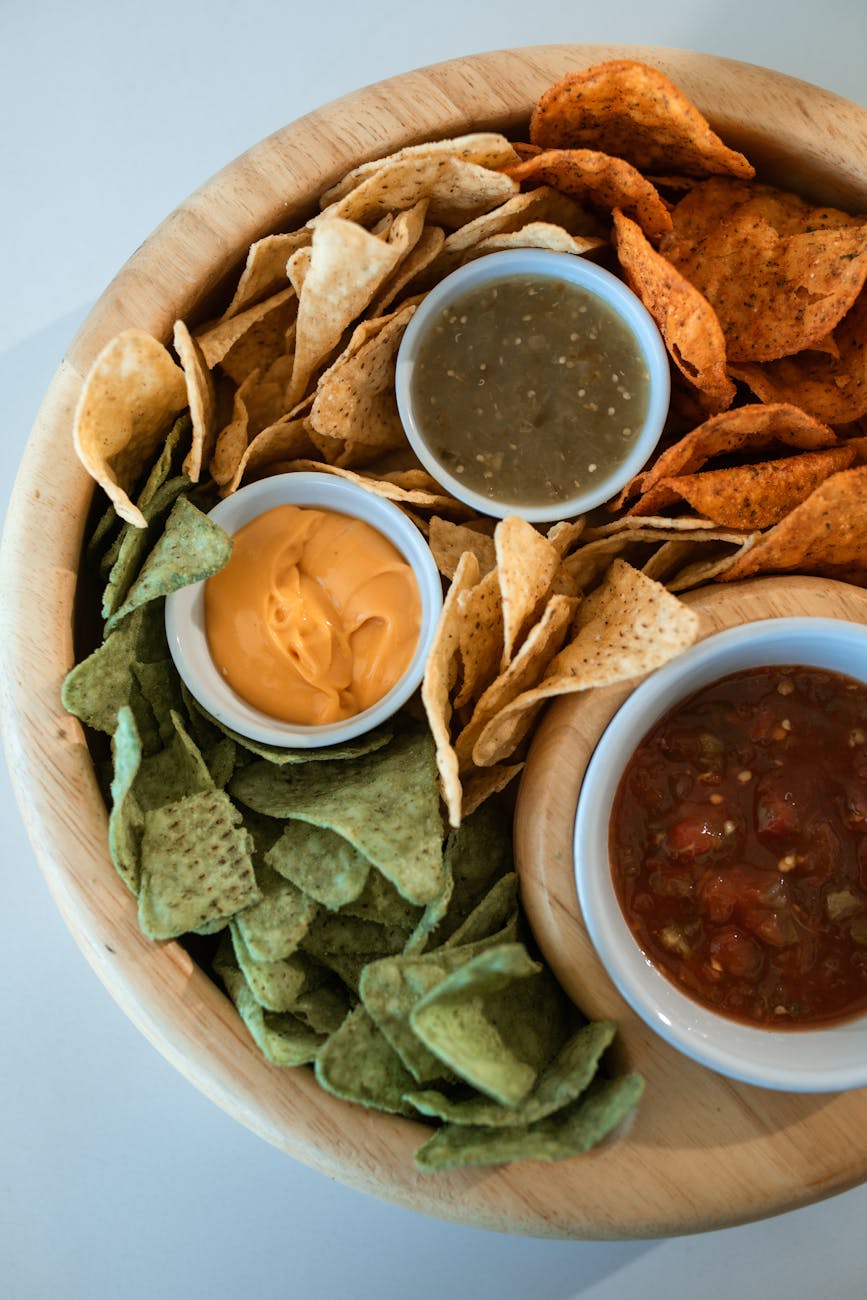
Chip dips are a staple at parties, game days, and casual snacking, but not all of them are as harmless as they seem. While no single food directly causes cancer on its own, certain ingredients and preparation methods have been linked to increased risks when consumed frequently over time. In particular, diets high in processed meats, excess sodium, unhealthy fats, and certain preservatives have been associated with a higher likelihood of developing conditions like Stomach cancer. Understanding which popular dips may carry these risks can help you make more informed choices.
Processed Cheese Dips: Additives and Sodium Overload
Processed cheese dips—especially the shelf-stable or canned varieties—are often loaded with sodium, artificial flavors, and preservatives. These products are heavily engineered to maintain a long shelf life, which can mean higher levels of compounds that aren’t ideal for long-term health.
High sodium intake has been linked to irritation of the stomach lining, which over time may contribute to increased cancer risk. Regularly consuming these dips in large amounts can also crowd out more nutrient-dense options.
Bacon Ranch Dip: Processed Meats in Disguise
Bacon ranch dip is a crowd favorite, but it often includes processed bacon bits and packaged seasoning mixes. Processed meats are classified as carcinogenic by health authorities due to compounds formed during curing and preservation.
When these ingredients are combined with high-fat dairy bases like sour cream or mayonnaise, the result is a calorie-dense dip that may contribute to inflammation and digestive strain when eaten frequently.
French Onion Dip: Hidden Preservatives and Salt
Traditional French onion dip, especially store-bought versions, often contains dehydrated onion mixes with added preservatives and significant sodium levels. While onions themselves can be beneficial, the processed form used in many dips is a different story.
Excess salt intake has been associated with damage to the stomach lining, potentially increasing vulnerability to harmful bacteria and long-term health risks. Homemade versions tend to be a better option with more controlled ingredients.
Queso with Processed Meats: A Risky Combination
Queso dips that include chorizo, ground beef, or sausage combine multiple risk factors in one dish. The cheese base is often processed, while the meats are frequently high in saturated fat and preservatives.
This combination can lead to a high intake of both sodium and compounds linked to increased cancer risk when consumed regularly. It’s a particularly common option at restaurants and gatherings, making portion control important.
Creamy Spinach Artichoke Dip: Not as Innocent as It Seems
Spinach artichoke dip sounds like a healthier option, but many recipes rely heavily on cream cheese, mayonnaise, and processed cheeses. These ingredients can make the dip high in saturated fat and calories.
While spinach and artichokes themselves are nutritious, their benefits can be overshadowed by the heavy base. Frequent consumption of high-fat, low-fiber foods may contribute to digestive issues over time.
Chili Cheese Dip: Processed and Highly Refined
Chili cheese dip often combines canned chili with processed cheese products, creating a dish high in sodium, preservatives, and saturated fat. Canned chili may also contain processed meats and additives that reduce its nutritional quality.
This type of dip is easy to overconsume, especially in social settings, increasing exposure to potentially harmful dietary patterns when eaten often.
Conclusion
While chip dips can be an enjoyable part of social gatherings, regularly consuming heavily processed, high-sodium, and high-fat varieties may contribute to long-term health risks, including those associated with stomach cancer. The key isn’t to eliminate these foods entirely, but to enjoy them in moderation and consider healthier alternatives when possible. Choosing fresh ingredients, making dips at home, and being mindful of portion sizes can go a long way in supporting better overall health.




Leave a Reply