
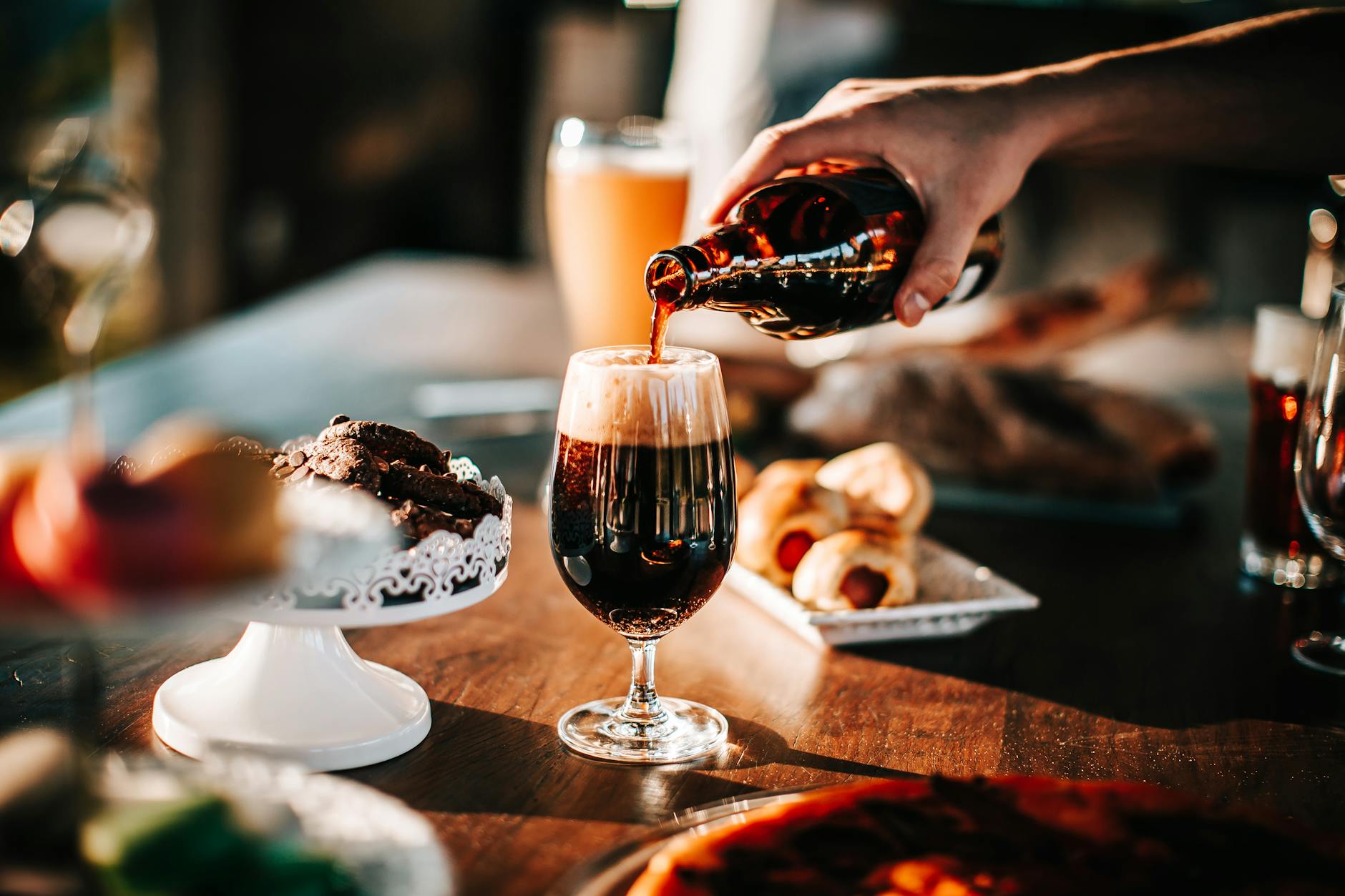
The global liquor industry is entering a turbulent period heading into 2026. Declining alcohol consumption, shifting preferences toward non-alcoholic beverages, and economic pressures are all weighing heavily on producers. In recent years, U.S. spirits sales have softened, and several distilleries have already faced bankruptcy or restructuring.
At the same time, oversupply, rising costs, and changing consumer habits—especially among younger drinkers—are forcing companies to rethink their strategies. While it’s impossible to predict exactly which companies will fail, several major and mid-tier liquor brands are facing significant financial headwinds that could put them at risk.
Stoli Group: Already on the Brink
Stoli Group is one of the clearest examples of a liquor company in serious trouble. The company has filed for bankruptcy protection and has struggled to reorganize its finances.
Reports suggest that creditors have lost confidence in recovery efforts, raising the possibility of asset sales or liquidation. With declining demand and operational challenges, Stoli remains one of the most vulnerable players heading into 2026.
Kentucky Owl: Premium Brand, Financial Problems
Kentucky Owl, a high-end bourbon brand, has also faced financial instability in recent years. Despite its premium positioning, the company has struggled with debt and softer demand for luxury spirits.
High-priced bottles are often the first to see reduced sales when consumers cut back on spending. This makes premium-focused brands like Kentucky Owl especially exposed during economic slowdowns.
Brown-Forman: Declining Valuation Raises Concerns
Brown-Forman, the company behind major whiskey brands, is far from bankruptcy but is showing signs of strain. Its market valuation has declined, and it has faced challenges related to tariffs, exports, and shifting consumer demand.
While still a dominant player, continued pressure could force restructuring efforts or strategic changes to maintain profitability.
Diageo: Cost Cutting Signals Trouble Ahead
Diageo is one of the largest liquor companies in the world, but even it is feeling the effects of a slowing market. The company has warned of flat growth and has begun implementing cost-cutting measures.
When industry leaders start tightening budgets and streamlining operations, it often reflects broader instability. While Diageo is unlikely to collapse, its situation highlights the challenges facing the entire sector.
John Distilleries: Growth Without Profit
John Distilleries has experienced revenue growth, but profitability remains a concern. The company has explored selling additional ownership stakes to larger partners as a way to stabilize its financial position.
This reflects a broader issue in the industry—expansion without sustainable margins. Companies in this situation may survive through partnerships or acquisitions but remain vulnerable if conditions worsen.
Industry-Wide Pressures Driving Risk
It’s important to note that these companies are not struggling in isolation. The entire liquor industry is facing a convergence of challenges. Declining demand for traditional spirits, increased competition from ready-to-drink and non-alcoholic beverages, and excess inventory from earlier production surges are all contributing factors.
Additionally, younger consumers are drinking less alcohol overall, shifting toward moderation or abstinence. This long-term trend is forcing brands to adapt quickly or risk losing relevance.
Conclusion
While not every struggling company will go bankrupt, the risks facing the liquor industry in 2026 are significant. From companies already in financial distress to global leaders tightening operations, the sector is clearly undergoing a period of change.
The brands most at risk tend to share common challenges: high debt, reliance on declining categories, or slow adaptation to evolving consumer preferences. As these pressures continue, consolidation, restructuring, and potential bankruptcies may become defining features of the industry’s near future.


Leave a Reply