
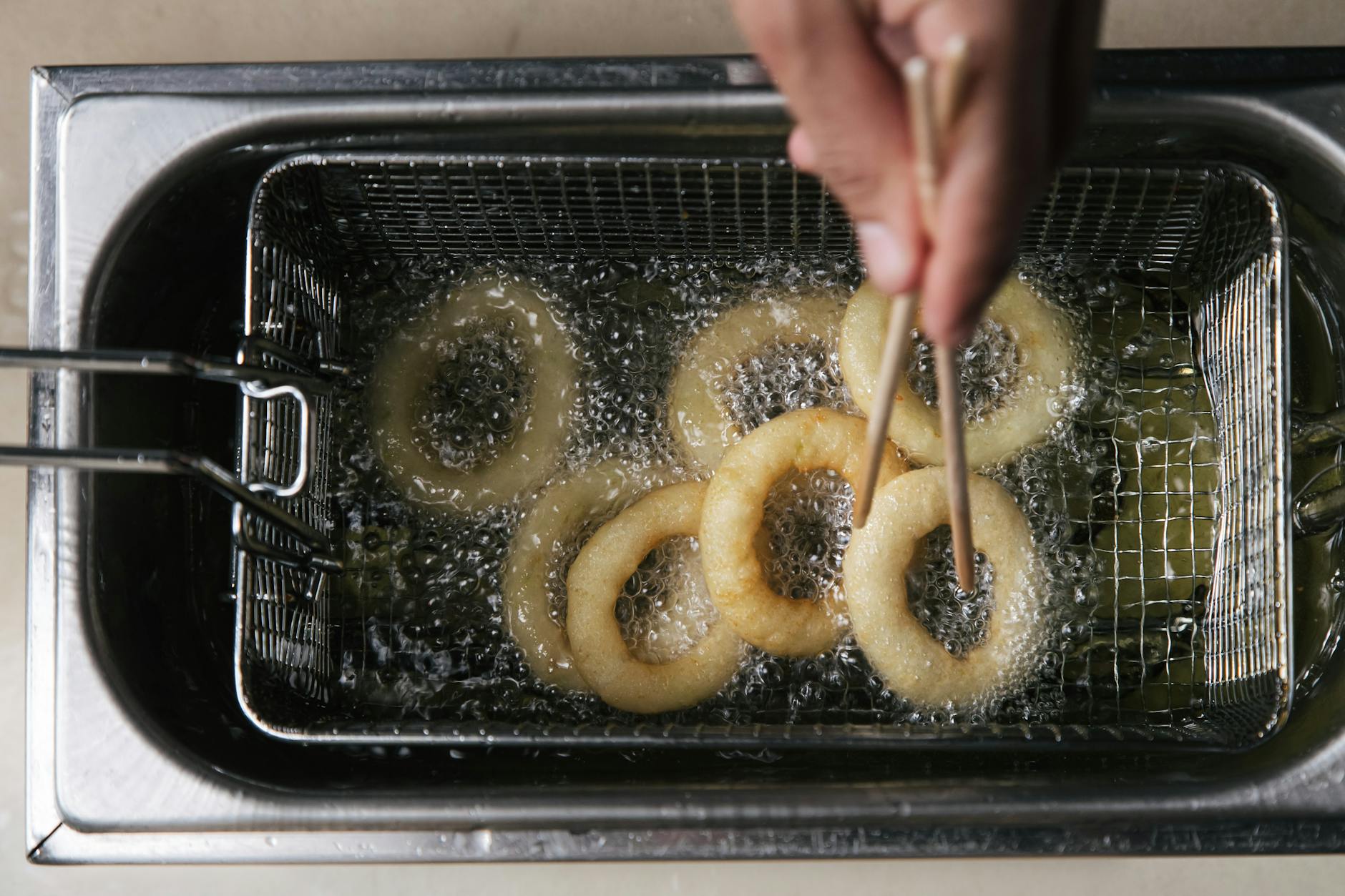
Frying food at home can be delicious and satisfying, but the type of oil you use makes a big difference — not just for flavor, but also for health and cooking performance. The best oils for frying have high smoke points, stable fatty acid profiles, and neutral or complementary flavors. Choosing the right oil helps prevent burning, reduces the formation of harmful compounds, and delivers crisp, evenly cooked results every time.
Here are some of the best oils to use for frying foods at home.
Avocado Oil: High Smoke Point and Heart-Healthy
Avocado oil is one of the top choices for frying because it has an exceptionally high smoke point — typically around 500°F (260°C). This makes it ideal for everything from shallow pan frying to deep-frying chicken, fries, and more.
In addition to its impressive heat tolerance, avocado oil is rich in monounsaturated fats, which are considered heart-healthy due to their ability to support good cholesterol levels. Its mild, buttery flavor won’t overpower your food, making it a versatile option for savory dishes.
Refined Coconut Oil: Stable and Subtle
Refined coconut oil has a relatively high smoke point of about 400–450°F (204–232°C) and offers excellent stability when heated. Unlike unrefined (virgin) coconut oil, refined coconut oil has a more neutral flavor, making it suitable for frying without imparting strong coconut notes.
Coconut oil is high in saturated fats, which make it more resistant to oxidation at high heat. While saturated fats should be consumed in moderation, using coconut oil occasionally for frying can help achieve crispy textures without burning.
Peanut Oil: Classic Deep-Frying Choice
Peanut oil is a favorite for deep frying thanks to its high smoke point (around 450°F / 232°C) and neutral flavor. It’s especially popular for frying foods like chicken wings, tempura, and French fries.
This oil also has a good balance of monounsaturated and polyunsaturated fats, offering solid heat stability while producing crisp results. Just be cautious if you or your guests have peanut allergies — even highly refined peanut oil can present a risk for sensitive individuals.
Canola Oil: Affordable and Versatile
Canola oil is widely available, affordable, and has a smoke point of about 400°F (204°C), making it suitable for most frying tasks. Its neutral taste ensures that your foods’ flavors aren’t masked, and it works well for both shallow frying and pan sautéing.
Canola oil is also lower in saturated fat and higher in monounsaturated fats, which may make it a healthier everyday choice compared to some traditional frying oils.
Sunflower Oil: Light and Heat-Tolerant
Sunflower oil is another good option for frying, with a smoke point ranging from 440–450°F (226–232°C) depending on whether it’s refined or high-oleic. The high-oleic variety is especially stable and comparable to avocado or peanut oil in performance.
Sunflower oil has a light flavor that won’t compete with your food, and it produces crispy, golden results. It’s particularly good for frying vegetables, fish, or breaded foods.
Extra-Light Olive Oil: A Surprising Frying Pick
While traditional extra-virgin olive oil has a lower smoke point, extra-light or refined olive oil can be a great frying oil with a smoke point around 465°F (240°C). It has a mild, neutral flavor and the benefits of olive oil’s healthy fats without the lower heat limitations of unrefined versions.
Just be sure to choose “extra-light” or refined grades labeled for cooking, not extra-virgin, which is better suited for dressings and low-heat uses.
Tips for Frying Success
- Monitor temperature: Use a thermometer to keep oil between 350–375°F (175–190°C) for optimal frying.
- Avoid reusing oil too many times: Old, repeatedly heated oil breaks down and can develop off flavors or harmful compounds.
- Strain after cooling: Store strained oil in an airtight container if you plan to reuse it.
- Use fresh oil for delicate foods: Strongly flavored oils can transfer taste.
Choosing the right frying oil can elevate your homemade dishes, improve texture, and support better cooking outcomes. Whether you prefer the stability of avocado oil, the tradition of peanut oil, or the versatility of canola, there’s a great frying oil for every kitchen need.



Leave a Reply