
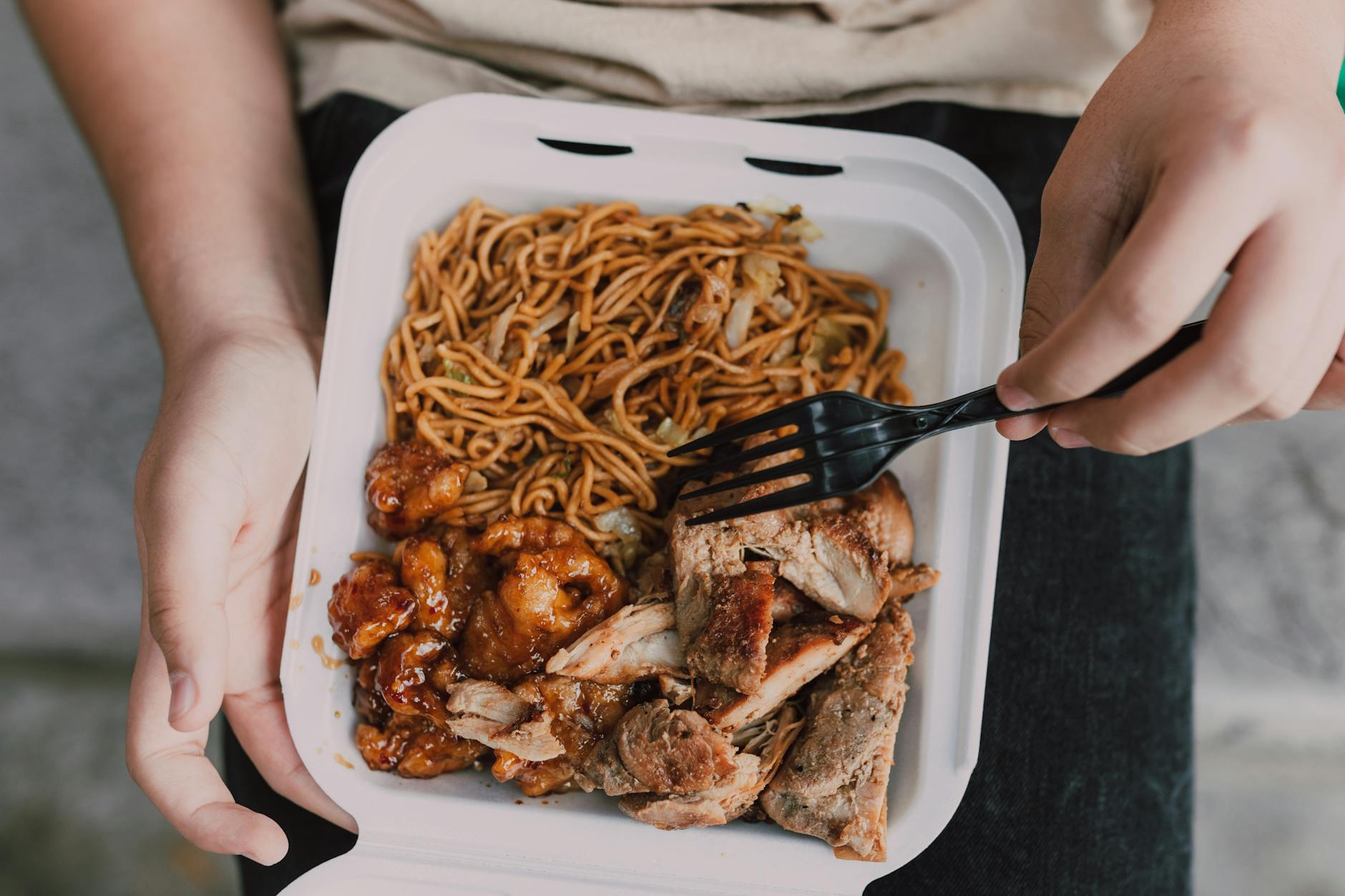
Reheating leftovers is a common convenience in modern kitchens, but not all foods are safe to eat once they’ve been cooked and cooled. Some ingredients undergo chemical changes or develop harmful bacteria when reheated, making them potentially toxic or unsafe. Understanding which foods carry these risks can help prevent foodborne illness and preserve nutritional value.
Spinach and Other Leafy Greens
Spinach, kale, and other leafy greens are packed with vitamins and minerals when fresh. However, reheating cooked spinach can lead to the formation of high levels of nitrates, which convert into nitrites and potentially into nitrosamines — compounds linked to cancer in high concentrations.
The risk is higher if the spinach has been left at room temperature for several hours before reheating. To minimize danger, store cooked greens in the refrigerator promptly and reheat only once in small portions.
Potatoes
Cooked potatoes are another common culprit. When left at room temperature, bacteria such as Clostridium botulinum or Bacillus cereus can grow on cooked potatoes, especially if stored in foil or airtight containers. Reheating may kill some bacteria but does not neutralize the toxins these bacteria produce.
Mashed potatoes, baked potatoes, or potato salads that have been improperly stored are particularly risky. Always refrigerate cooked potatoes within two hours of cooking and consume reheated portions promptly.
Eggs
Eggs are highly versatile, but reheating scrambled eggs, omelets, or quiches can be problematic. When eggs are cooked and then cooled, protein structures change, making them harder to digest and increasing the risk of foodborne bacteria growth if left out too long.
Reheating eggs multiple times also creates a rubbery texture and can reduce nutrient availability. To stay safe, eat cooked eggs immediately or refrigerate them and consume within a day.
Chicken and Other Meats
Poultry and meat are classic leftovers, but improper reheating can make them unsafe. When cooked chicken or beef cools slowly, bacteria like Salmonella or Listeria can thrive. Reheating at low temperatures may not eliminate these bacteria or the toxins they produce.
Cutting meat into smaller pieces and reheating thoroughly until steaming hot helps reduce risk. Avoid reheating large roasts or meatloaf in a single, thick piece.
Mushrooms
Mushrooms are nutritious, but when cooked and stored, reheating them can pose risks. Reheated mushrooms may cause gastrointestinal upset because their proteins break down and degrade over time.
It’s best to consume cooked mushrooms immediately or eat them cold in salads if previously cooked. Reheating multiple times should be avoided to maintain both safety and flavor.
Rice
Cooked rice can harbor Bacillus cereus spores, which survive initial cooking. If rice is left out at room temperature and then reheated, the bacteria can produce toxins that are heat-resistant, leading to food poisoning.
To prevent risk, store cooked rice in the refrigerator as soon as possible and reheat only once. Avoid leaving rice out for extended periods between cooking and consumption.
Best Practices for Safe Reheating
- Cool leftovers quickly — refrigerate within two hours.
- Reheat evenly — ensure internal temperature reaches 165°F (74°C).
- Limit reheating cycles — ideally, reheat only once.
- Store in shallow containers — promotes faster cooling.
By understanding which foods can become toxic when reheated and following proper storage and reheating methods, you can enjoy leftovers safely without compromising taste or nutrition.



Leave a Reply