
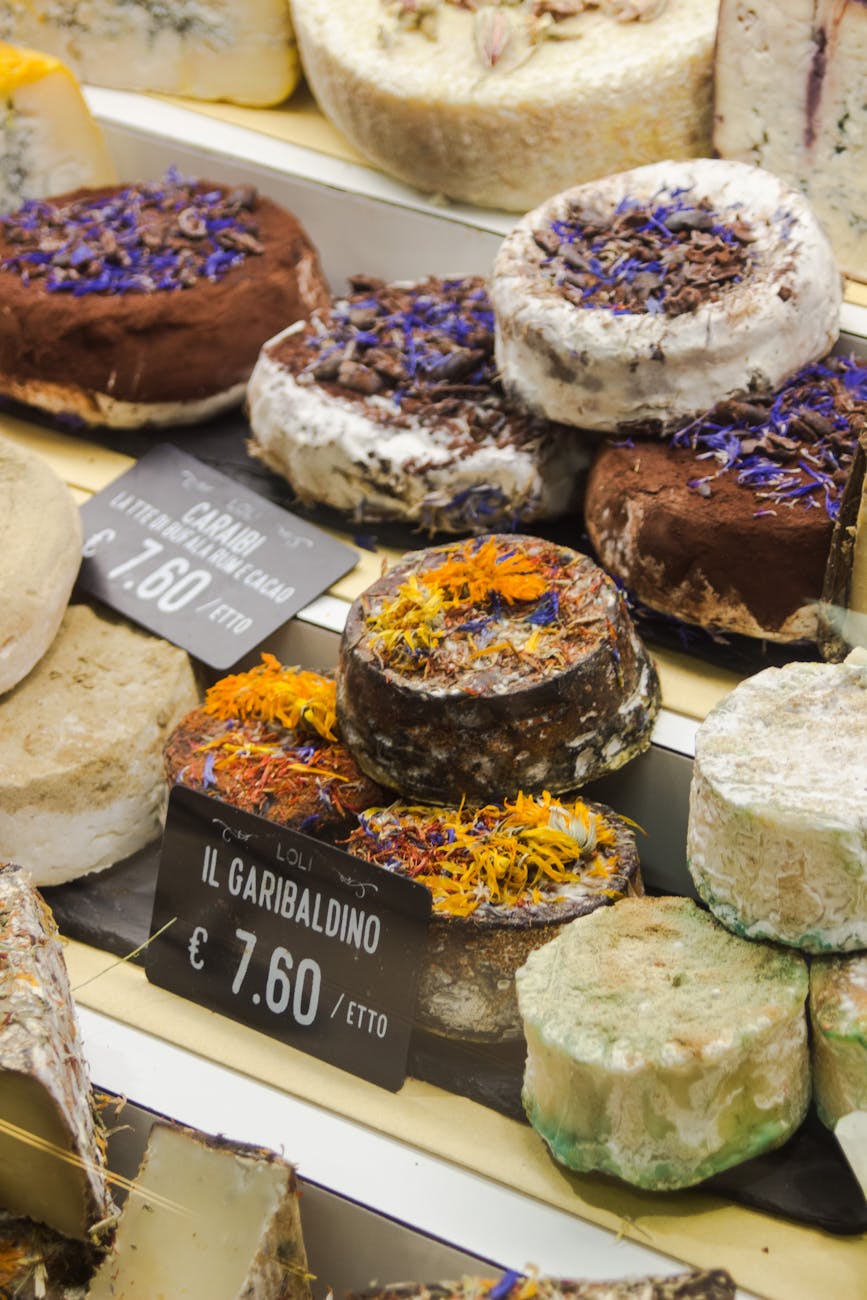
Cheese lovers know the thrill of discovering a new or rare variety. However, some cheeses are becoming increasingly hard to find due to declining production, regional limitations, or shifts in consumer demand. These rare cheeses often carry centuries of tradition, unique flavors, and artisanal methods that make them treasured by gourmands and collectors. Here’s a guide to some of the kinds of cheese that are nearly impossible to find today.
Pule Cheese: The World’s Rarest
Pule cheese from Serbia is often called the most expensive cheese in the world. Made exclusively from donkey milk at the Zasavica Special Nature Reserve, production is incredibly limited — only a few dozen pounds are made each year.
Its crumbly, white texture has a rich, nutty flavor, but its rarity and cost, sometimes exceeding $1,000 per pound, make it nearly impossible for most people to sample. Pule cheese is usually reserved for exclusive restaurants or specialty tastings.
Casu Marzu: Sardinia’s Infamous Cheese
Casu Marzu, originating in Sardinia, Italy, is a traditional sheep’s milk cheese that is intentionally infested with live larvae. The larvae promote fermentation and give the cheese a soft, spreadable texture and a pungent, complex flavor.
Due to health regulations in the European Union, Casu Marzu is officially banned for commercial sale, making it almost impossible to purchase legally outside Sardinia. While it is still consumed locally, finding it abroad is nearly unheard of.
Bitto Storico: An Italian Heritage
Bitto Storico is a rare alpine cheese from northern Italy. Unlike standard Bitto, the storied “Storico” version is made traditionally using raw cow’s milk and a small proportion of goat’s milk, then aged for 10 years or more.
Production is extremely limited because it requires artisanal methods and specific mountain pastures. The long aging process and small output make Bitto Storico a prized find for serious cheese collectors, and even specialty Italian shops rarely carry it.
Milbenkäse: Cheese With a Creepy Twist
Milbenkäse, or mite cheese, hails from Germany and is produced using cheese mites that ferment the cheese’s surface. This medieval-style cheese has a pungent aroma and crumbly texture.
Modern hygiene regulations and declining traditional cheesemaking practices have made Milbenkäse almost extinct commercially. Today, only a handful of producers in Germany continue to make it, and availability outside the region is extremely limited.
Sapsago: Swiss Alpine Treasures
Sapsago is a traditional Swiss cheese made in small alpine villages from raw cow’s milk and aged with mold cultures that impart earthy, nutty flavors. It is produced in minuscule quantities and often consumed only locally.
Its delicate production method and reliance on seasonal milk make it hard to export, and few specialty stores outside Switzerland carry authentic Sapsago. Enthusiasts often have to travel to the Alps to enjoy this rare delight.
Why These Cheeses Are Disappearing
Several factors contribute to the rarity of these cheeses:
- Limited production — Many require specific breeds, pastures, or traditional techniques.
- Regulations — Health and safety rules restrict the sale of cheeses like Casu Marzu or Milbenkäse.
- Aging requirements — Long maturation times, like with Bitto Storico, reduce supply.
- Market demand — High prices and unfamiliar flavors limit mainstream availability.
The Joy of Hunting Rare Cheeses
For true cheese enthusiasts, seeking out these rare varieties is a culinary adventure. Specialty cheese shops, artisanal fairs, and travel to their regions of origin are often the only ways to sample these disappearing treasures. While they may be elusive, their unique flavors and historical significance make them worth the effort for those who appreciate the art of cheese.



Leave a Reply