
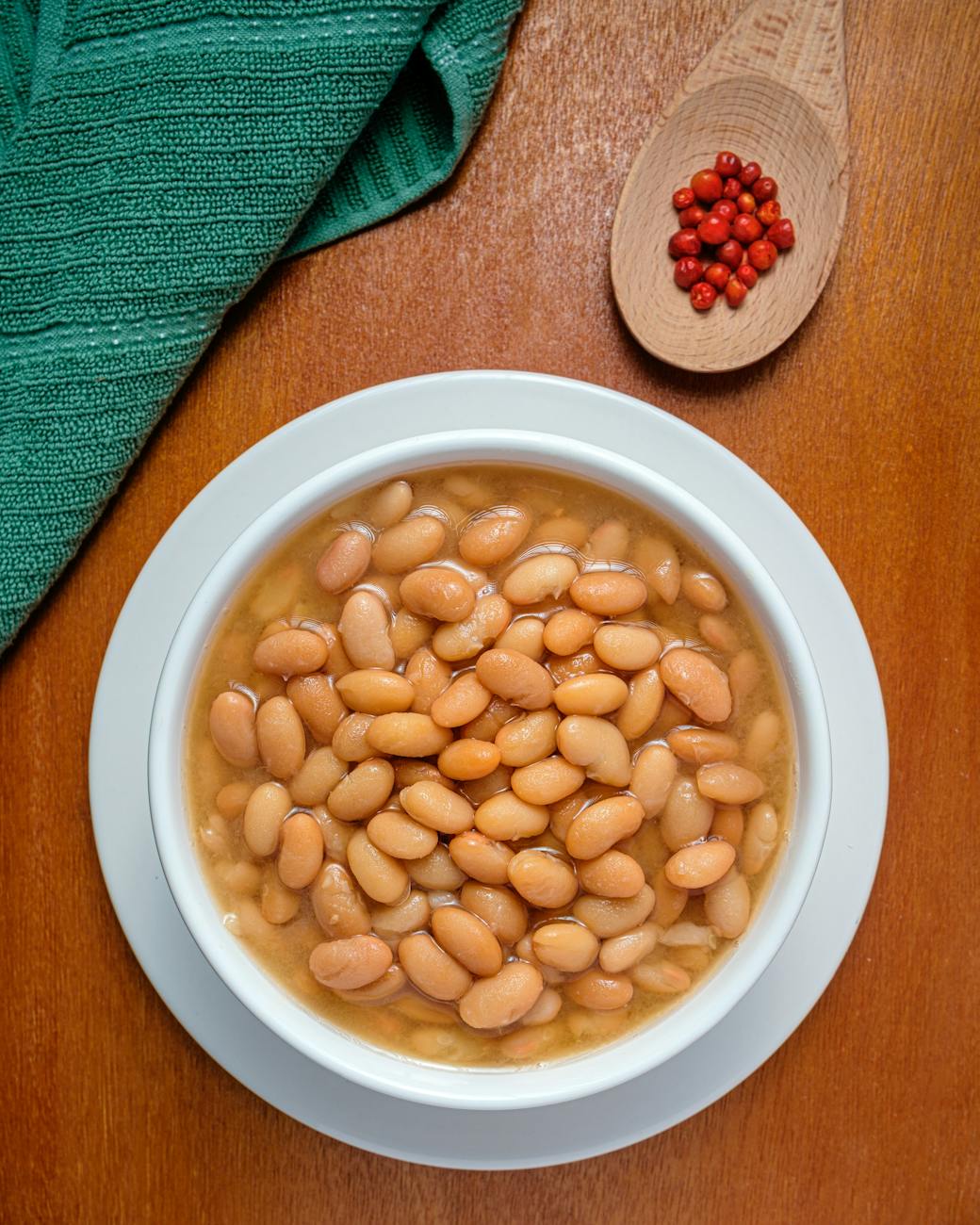
Canned beans are a convenient pantry staple, offering protein, fiber, and nutrients in a ready-to-use form. However, emerging research and health discussions have raised concerns about certain types of canned beans and their potential links to colon cancer. While beans themselves are generally healthy, factors such as processing methods, added sodium, preservatives, and contamination risks may increase the likelihood of harmful effects when consumed frequently.
High Sodium Levels in Canned Beans
One of the primary concerns with canned beans is the high sodium content. Brands like Bush’s Best Original Baked Beans and Goya Black Beans often contain over 400–500 mg of sodium per half-cup serving.
Excess sodium intake has been linked to chronic inflammation and high blood pressure, both of which may indirectly contribute to colorectal cancer risk. While sodium itself doesn’t directly cause colon cancer, diets high in sodium are associated with increased gastrointestinal irritation, which can exacerbate other risk factors.
Rinsing canned beans before use or opting for “no salt added” varieties can help reduce sodium intake while retaining the nutritional benefits of beans.
Preservatives and Additives
Many canned beans contain preservatives such as calcium disodium EDTA or stabilizers to prolong shelf life. For example, some flavored baked beans include added sugars, molasses, and artificial flavorings that may negatively impact gut health.
Emerging studies suggest that long-term consumption of processed foods with certain preservatives may contribute to inflammation in the colon. Chronic inflammation is a known risk factor for colon cancer. While the research is ongoing, choosing beans with minimal additives can help mitigate potential risks.
Bisphenol A (BPA) in Can Linings
Canned foods, including beans, are often packaged in cans lined with BPA (Bisphenol A), a chemical used to prevent corrosion. Brands such as Del Monte and Libby’s have historically used BPA in can linings.
BPA is an endocrine disruptor and has been linked to various health concerns, including hormone-related cancers. While studies on BPA and colon cancer are still limited, frequent consumption of canned foods with BPA exposure may increase cancer risk over time. Many brands now offer BPA-free cans, which are a safer alternative.
Added Sugars in Flavored Beans
Flavored canned beans, like baked beans or barbecue beans, often contain high levels of sugar. For instance, Bush’s Original Baked Beans and similar varieties contain between 5–7 grams of sugar per half-cup serving.
High sugar intake can contribute to obesity and insulin resistance, which are known risk factors for colorectal cancer. Choosing plain canned beans without sweeteners is a healthier option to reduce these risks.
The Bottom Line
While beans are naturally nutritious, canned varieties can pose risks when consumed frequently due to high sodium, preservatives, BPA exposure, and added sugars. Brands like Bush’s Best, Goya, Del Monte, and Libby’s offer convenient options but may carry these potential health concerns.
For those seeking to reduce colon cancer risk, focusing on low-sodium, BPA-free, and unsweetened canned beans—or cooking dried beans at home—can provide the nutritional benefits without unnecessary additives. Moderation and careful label reading are key to enjoying beans safely while protecting long-term gut health.




Leave a Reply