
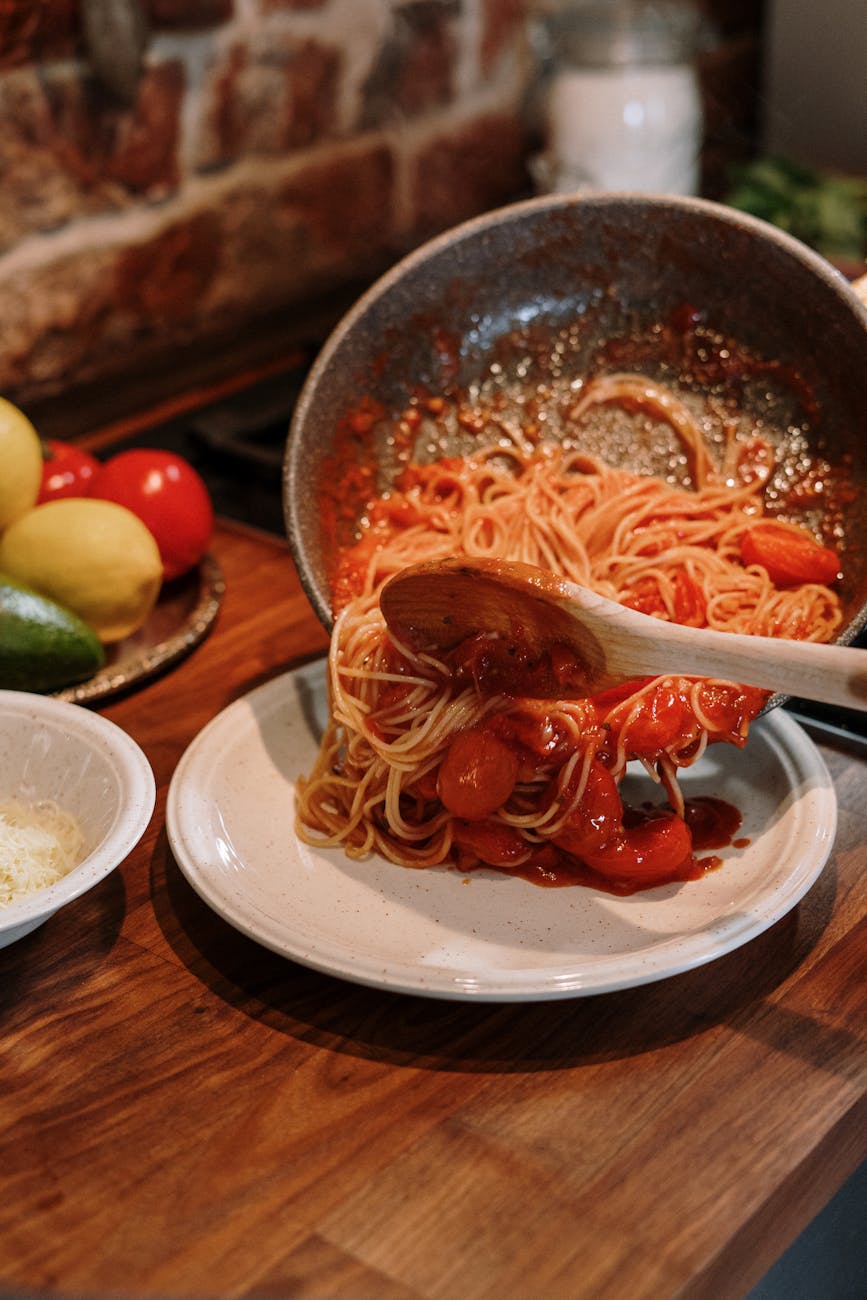
Spaghetti sauce is a staple in many kitchens, but sometimes it can turn out too acidic, leaving a sharp, sour taste that overpowers the dish. High acidity can come from tomatoes, certain vinegars, or even the cooking process itself. Fortunately, there are simple techniques to balance your sauce and bring out its natural flavors.
Sugar: Sweetness to Counteract Acidity
One of the simplest ways to reduce acidity in spaghetti sauce is by adding a small amount of sugar.
A teaspoon or two can neutralize the sharp taste without making the sauce noticeably sweet. Start with a little and adjust gradually to find the perfect balance.
Baking Soda: Neutralizing Acid Chemically
Baking soda is an alkaline compound that can counteract the acidity in tomato sauce.
Adding just ¼ teaspoon at a time while simmering can mellow the tangy flavor. Be careful not to add too much, as it may create a slightly soapy taste if overused.
Carrots: Natural Sweeteners
Chopped or grated carrots can add natural sweetness to your sauce.
As they cook, carrots release sugars that balance the acidity without any added refined sugar. This method also boosts nutrition and adds subtle texture.
Butter: Fat to Soften Sharpness
A small pat of butter stirred into the sauce can help round out the acidic flavors.
The fat coats the tongue, creating a smoother mouthfeel and reducing the perception of sharpness. This works especially well in tomato-based cream sauces.
Onions and Garlic: Sweet Aromatics
Sautéing onions and garlic before adding them to the sauce can naturally decrease acidity.
Caramelized onions develop a sweet flavor that complements tomatoes, while roasted garlic adds depth and reduces harshness. Cooking slowly ensures the flavors meld perfectly.
Low-Acid Tomatoes: Choosing the Right Base
Not all tomatoes are created equal; some varieties are naturally less acidic.
Roma or San Marzano tomatoes are popular choices for spaghetti sauce because of their sweet, mild flavor. Using low-acid canned tomatoes can drastically reduce the sharpness of your sauce.
Simmering Slowly: Give It Time
Long, slow cooking can help break down acidic compounds in tomatoes.
Simmer your sauce on low heat for at least 30–45 minutes to mellow flavors naturally. Stir occasionally and taste frequently to avoid overcooking.
Final Thoughts
Acidity in spaghetti sauce doesn’t have to ruin a meal.
By combining methods like adding sugar, using low-acid tomatoes, incorporating vegetables, or balancing with fats, you can create a sauce that’s rich, flavorful, and perfectly smooth. Experimenting with these techniques allows you to tailor your sauce to your personal taste and make every spaghetti dinner a success.




Leave a Reply