
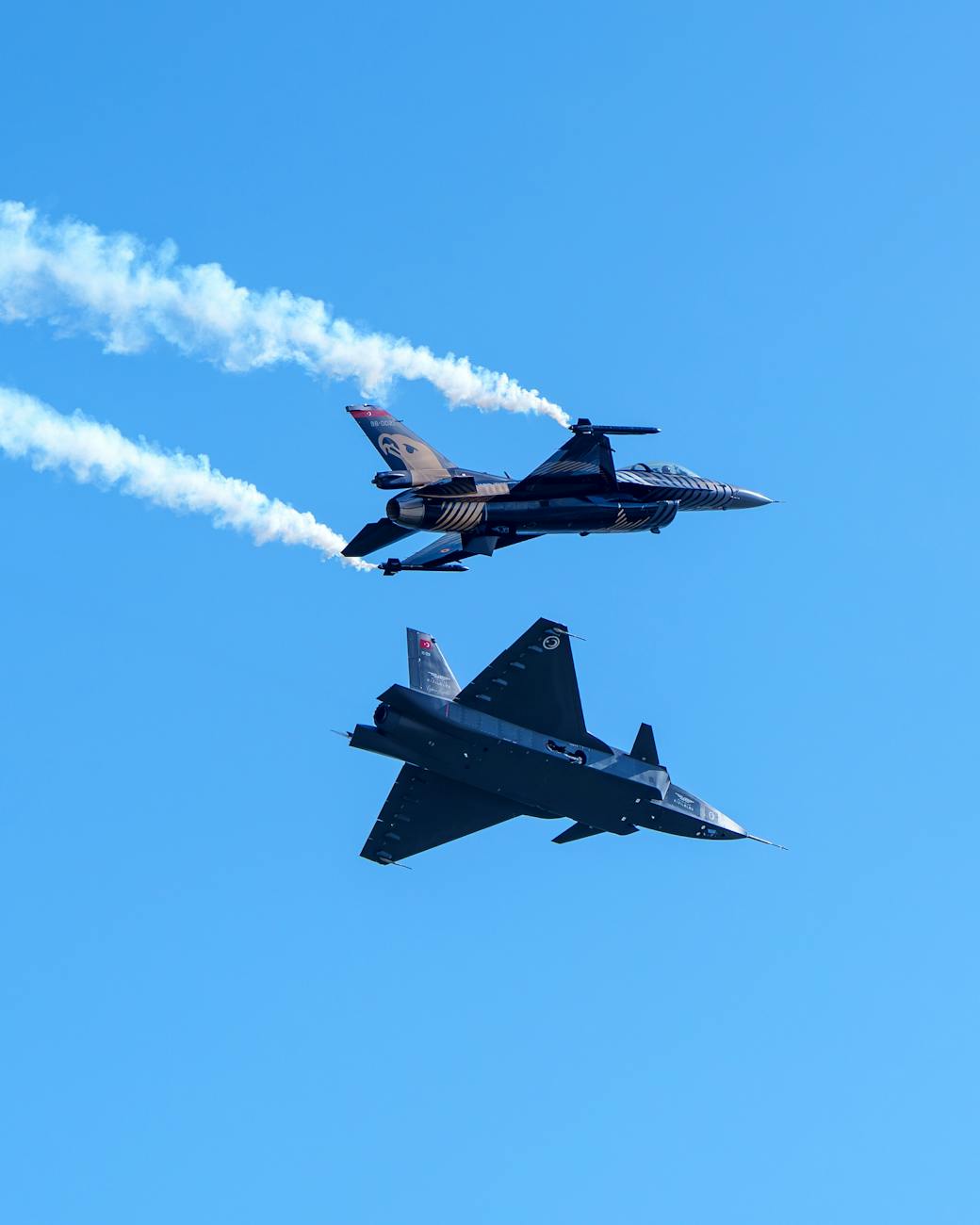
The United States has been involved in numerous military conflicts throughout its history, but some have lasted far longer than others. These prolonged wars often reflect complex political goals, shifting strategies, and evolving global dynamics. From overseas engagements to domestic struggles, the longest conflicts in U.S. history have left lasting impacts on both the nation and the world.
War in Afghanistan: America’s Longest War
The War in Afghanistan holds the distinction of being the longest military conflict in U.S. history.
Spanning 20 years, it began after the September 11 attacks and focused on dismantling terrorist networks and stabilizing the region. Despite initial success, the conflict evolved into a prolonged effort involving counterinsurgency, nation-building, and ongoing instability.
Vietnam War: A Prolonged and Divisive Struggle
The Vietnam War lasted roughly two decades and became one of the most controversial conflicts in U.S. history.
Although large-scale U.S. involvement intensified in the 1960s, the broader conflict stretched over many years. It deeply divided public opinion at home and ultimately ended with the fall of Saigon.
Iraq War: Extended Engagement
The Iraq War officially began in 2003 with the goal of removing Saddam Hussein from power.
While major combat operations were declared over in 2011, U.S. involvement continued in various forms for years afterward. The long-term presence highlighted the challenges of stabilizing a region after initial military success.
American Indian Wars: Centuries of Conflict
Unlike traditional wars, the American Indian Wars were a series of conflicts spanning hundreds of years.
These battles between U.S. forces and Native American tribes occurred as settlers expanded westward. The extended timeline and numerous engagements make this one of the longest and most complex periods of conflict in U.S. history.
Philippine–American War: A Lesser-Known Long War
Following the Spanish-American War, the U.S. became involved in a prolonged conflict in the Philippines.
Though officially lasting just a few years, resistance and smaller conflicts continued beyond 1902. The war demonstrated the difficulties of overseas expansion and governing foreign territories.
Cold War: A War Without Direct Combat
While not a traditional shooting war, the Cold War lasted over four decades.
It involved political tension, arms races, and proxy wars between the United States and the Soviet Union. Its duration and global influence make it one of the most significant prolonged conflicts in American history.
Common Traits of Long Conflicts
Many of these extended wars share similar characteristics:
- Unclear or evolving objectives over time
- Difficult terrain or unfamiliar environments
- Strong resistance from local forces
- Political and public pressure at home
- Challenges in achieving lasting stability
Final Thoughts
The longest military conflicts in U.S. history highlight the complexity of warfare beyond quick victories.
From Afghanistan to Vietnam and beyond, these wars reveal how difficult it can be to achieve lasting outcomes in evolving political and cultural landscapes. Understanding their duration and impact offers valuable insight into the challenges of modern military strategy.


Leave a Reply