
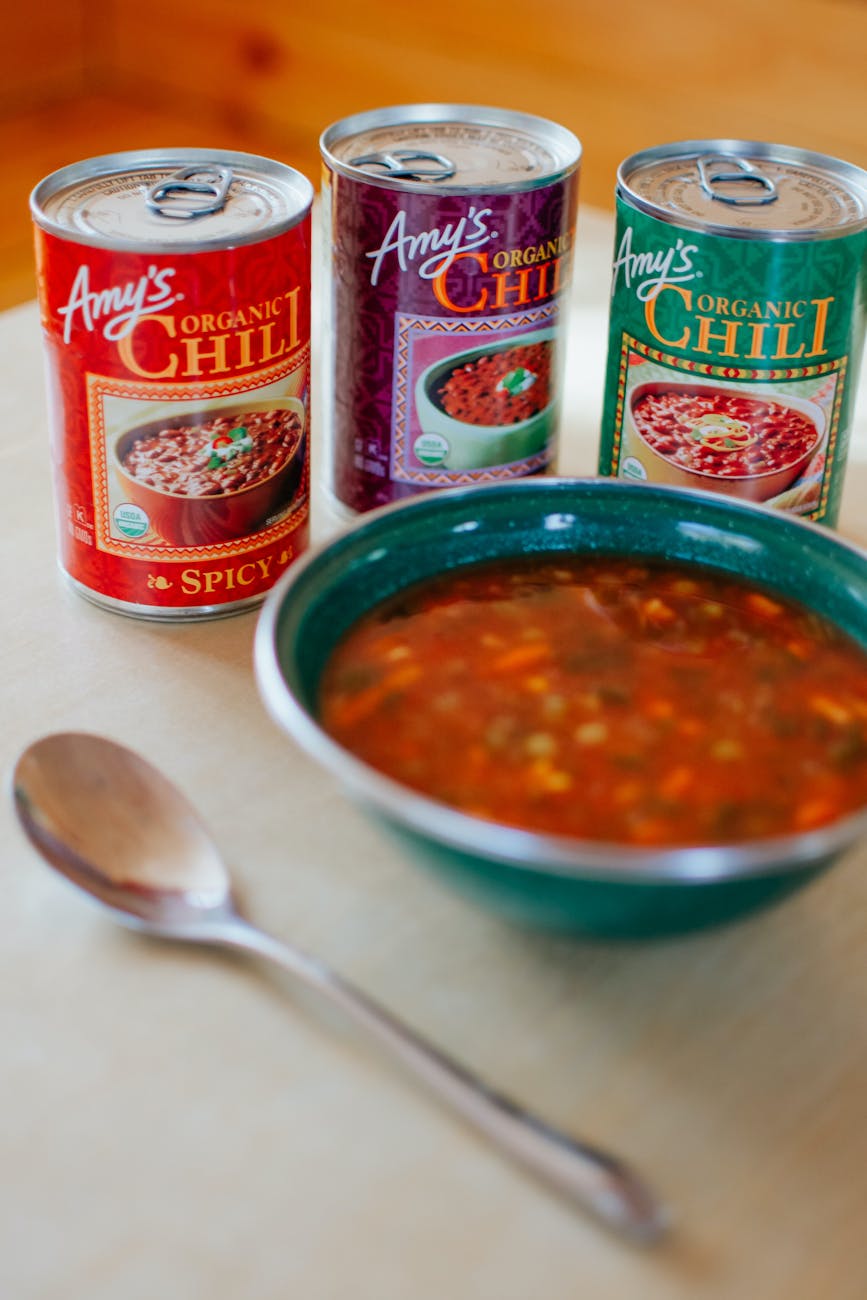
Canned soups are a pantry staple thanks to their convenience and long shelf life. However, some varieties contain ingredients that may raise concerns about long-term brain health. While no single food directly causes memory loss, diets high in sodium, preservatives, and certain additives have been associated with cognitive issues over time. Understanding what’s inside your soup can help you make smarter choices.
High-Sodium Classics: A Hidden Risk
Many popular canned soups are packed with sodium to enhance flavor and preserve shelf life.
Products like Campbell’s Condensed Chicken Noodle Soup and Progresso Traditional Chicken Noodle Soup can contain a large portion of your daily sodium intake in a single serving. Excess sodium has been linked to high blood pressure, which may negatively impact brain health over time.
Cream-Based Soups: Heavy and Processed
Creamy canned soups often contain high levels of saturated fat and additives.
Options like Campbell’s Cream of Mushroom Soup and Progresso Creamy Chicken & Wild Rice Soup may rely on processed ingredients to maintain texture and flavor. Diets high in saturated fat have been associated with inflammation, which can play a role in cognitive decline.
MSG and Flavor Enhancers
Some canned soups include monosodium glutamate (MSG) or similar flavor enhancers.
Products such as Maruchan Instant Lunch Chicken Flavor Soup often use these additives to boost taste. While MSG is generally recognized as safe, some studies suggest excessive intake may affect neurological function in sensitive individuals.
Preservatives and Additives
Shelf-stable soups often require preservatives to maintain freshness.
Ingredients like sodium benzoate and artificial flavorings are commonly found in lower-cost canned soups. Over time, a diet high in heavily processed foods has been linked to poorer cognitive performance in some research.
Instant Noodle Soups: Convenience at a Cost
Instant soups are among the most processed options available.
Brands like Cup Noodles are high in sodium, refined carbohydrates, and additives. Regular consumption of ultra-processed foods has been associated with increased risk of cognitive decline and memory-related issues.
Ingredients to Watch For
When evaluating canned soups, keep an eye out for these common concerns:
- high sodium – Linked to blood pressure and brain health issues
- saturated fat – May contribute to inflammation
- MSG – Can affect sensitive individuals
- artificial preservatives – Found in many shelf-stable products
- refined carbohydrates – Common in instant soups
Better Alternatives to Consider
You don’t have to give up soup entirely—just make better choices.
Look for low-sodium or “heart healthy” versions, or try brands that emphasize simple, natural ingredients. Homemade soups are another excellent option, allowing you to control salt, fat, and additives while boosting nutritional value.
Final Thoughts
Canned soups are convenient, but not all options support long-term health.
By avoiding high-sodium, heavily processed, and additive-filled varieties, you can reduce potential risks and make choices that better support brain health. A little label reading can go a long way in protecting both your body and your memory over time.




Leave a Reply