
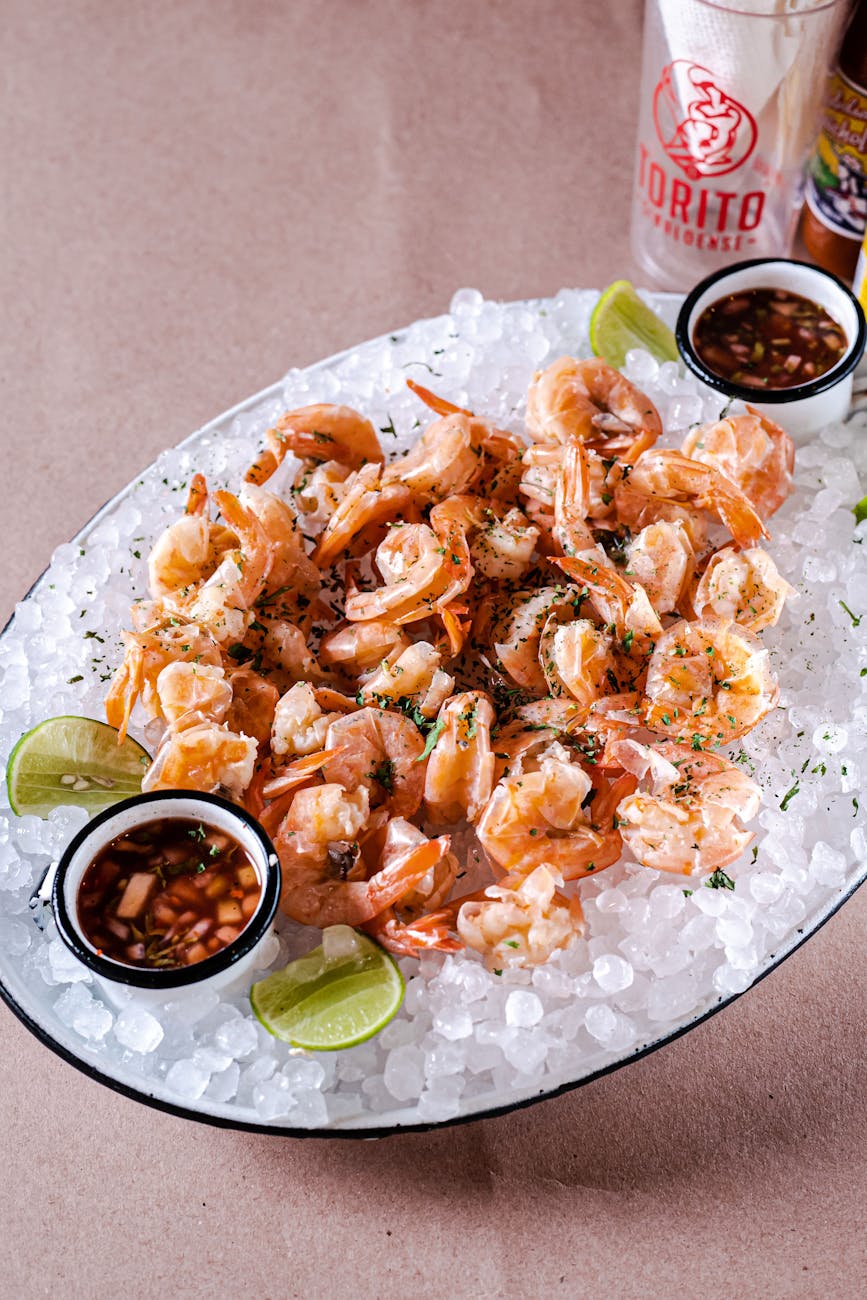
Shrimp platters are a staple at many seafood restaurants, offering a mix of fried, grilled, or chilled shrimp with sauces and sides. While they can be a delicious indulgence, not all shrimp platters are created equal. Certain red flags can indicate that the dish is overpriced, low quality, or potentially unsafe. Knowing the warning signs can help you make better choices and avoid disappointment.
Overly Frozen or Rubberized Shrimp
One of the first things to check is texture.
Shrimp that tastes rubbery or overly chewy is often overcooked or made from previously frozen shrimp that has been reheated multiple times. Brands like IQF shrimp sometimes appear on platters, and while convenient for restaurants, they can compromise quality if handled improperly.
Excessively Oily or Greasy
Fried shrimp platters are popular, but too much oil is a red flag.
Shrimp should be lightly battered or breaded. If the platter leaves your fingers coated in grease, it’s a sign the shrimp may have been fried in reused oil or overcooked. Fast-food seafood chains and some buffet shrimp platters often fall into this category.
Overpriced for Small Portions
A common warning sign is a high price for a small amount of shrimp.
Some restaurants charge premium prices for shrimp platters that are mostly filler like fries or shredded lettuce. Chains like Red Lobster or Captain D’s have been criticized for offering platters that aren’t proportionate to their cost.
Unpleasant or Off Smell
Fresh shrimp should smell like the sea—slightly briny but not fishy.
A strong ammonia-like or sour odor indicates spoilage. Platters that have been sitting under heat lamps for long periods, such as at buffets, are particularly prone to this problem.
Soggy or Over-Soaked Batter
Battered shrimp should be crisp, even when served with sauces.
If the breading is soggy, it’s a sign the shrimp was either improperly stored or drenched in oil or sauce. This can occur at both casual dining seafood chains and some higher-end restaurants trying to maintain pre-prepared items for speed of service.
Excessive Sauces and Fillers
Some shrimp platters are drowning in sauces like cocktail, tartar, or spicy mayo, masking the shrimp’s natural flavor.
Additionally, platters overloaded with fries, coleslaw, or lettuce can make the shrimp a minor component of the dish. Look for offerings that highlight the shrimp rather than bury it under extras.
Signs of Low-Quality Shrimp
Certain characteristics point to subpar shrimp:
- mud shrimp – Often used to cut costs but inferior in taste
- black tiger shrimp – Can be tough and overly processed
- peeled and deveined prepackaged shrimp – May lack flavor if overprocessed
Pay attention to the size, color, and uniformity; inconsistent shrimp can indicate frozen or previously frozen product being reused.
Restaurant and Chain Red Flags
Some restaurants are more likely to serve low-quality shrimp platters.
- Buffets with high turnover but slow replacement of seafood trays
- Fast-casual chains focused on speed over quality, like Long John Silver’s
- Restaurants offering “all-you-can-eat” fried shrimp, where shrimp is often frozen and reheated
Tips for Choosing a Better Shrimp Platter
To enjoy shrimp without risk:
- Ask if the shrimp is fresh or previously frozen
- Check for clear labeling of sourcing and preparation
- Inspect texture and smell before eating
- Favor grilled, lightly seasoned shrimp over heavily battered options
Final Thoughts
Not every shrimp platter is a guaranteed delight.
Overcooked, rubbery shrimp, excessive sauces, off odors, and inflated prices are all signs that a platter may not be worth it. By knowing what to look for and choosing restaurants that prioritize quality, you can enjoy shrimp without disappointment or regret.


Leave a Reply