
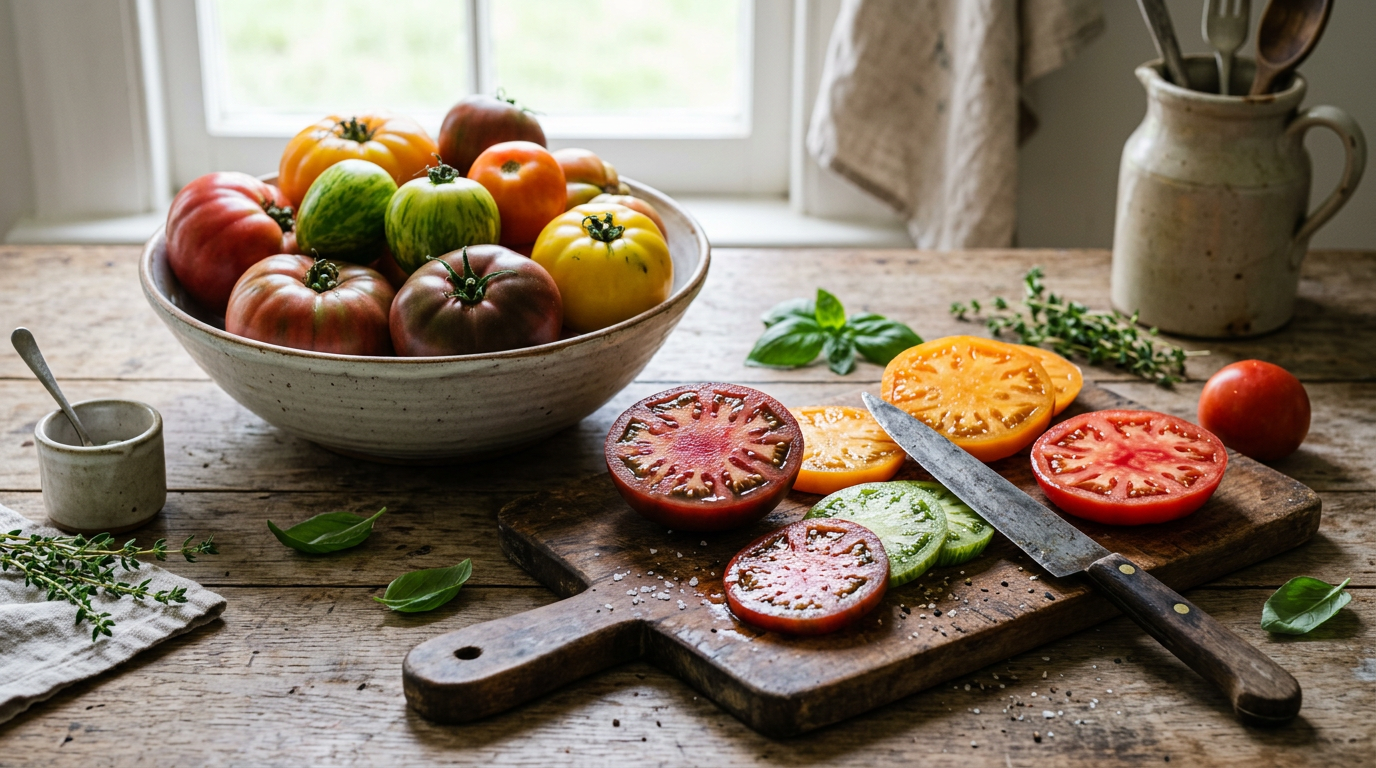
Heirloom tomatoes have been enjoying a renaissance among food enthusiasts, gardeners, and chefs alike. Unlike standard hybrid varieties, heirlooms are open-pollinated and often passed down through generations, carrying unique flavors, colors, and textures. While they can cost more than typical supermarket tomatoes, the benefits of buying heirloom varieties go beyond taste—they offer nutritional, environmental, and culinary advantages that make them a worthwhile investment for any kitchen.
Exceptional Flavor Profiles
One of the main reasons people seek out heirloom tomatoes is their extraordinary flavor. Unlike mass-produced tomatoes, which are bred for uniformity and shelf life, heirlooms are cultivated for taste. Each variety offers a distinct flavor—from sweet and fruity to tangy and complex—that can elevate any dish. Chefs often prefer heirlooms for salads, sauces, and fresh eating, as their rich flavor cannot be replicated by standard grocery store tomatoes.
Nutritional Benefits
Heirloom tomatoes are rich in essential vitamins and antioxidants. They typically contain high levels of vitamin C, vitamin A, and potassium. Many heirloom varieties also have higher concentrations of lycopene, a powerful antioxidant linked to reduced risk of certain cancers and heart disease. Choosing heirloom tomatoes is not just a culinary decision—it can be a nutritional one, supporting overall health while providing a flavorful boost to meals.
Supporting Biodiversity
Buying heirloom tomatoes helps preserve agricultural biodiversity. Unlike hybrid tomatoes, heirlooms are open-pollinated, meaning their seeds can be saved and replanted without losing traits. This preservation of genetic diversity ensures a variety of tomato types survive against pests, diseases, and changing climates. Supporting heirloom growers encourages the cultivation of unique varieties that might otherwise disappear from grocery stores and farms.
Environmental Advantages
Heirloom tomato cultivation often aligns with sustainable farming practices. Many heirloom farmers focus on organic or low-chemical growing methods, reducing environmental impact. Because heirloom seeds can be replanted year after year, farmers and gardeners reduce reliance on commercially produced seeds, which often require industrial production processes. Choosing heirlooms can be a small but meaningful way to support environmentally responsible agriculture.
Culinary Creativity
Heirloom tomatoes offer versatility in the kitchen. Their variety in size, color, and texture inspires creativity, from vibrant salads and fresh salsas to gourmet sauces and sandwiches. The striking colors—ranging from deep purples and golden yellows to stripes and speckles—enhance presentation and make dishes visually appealing. Home cooks and professional chefs alike often find that heirloom tomatoes elevate both flavor and aesthetics in ways that standard tomatoes cannot.
Connection to Tradition and Storytelling
Heirloom tomatoes carry history and tradition, often tied to specific regions or family farms. Buying them connects consumers to the stories behind the seeds, from generational farms to unique cultivation techniques. This connection adds depth to the dining experience, turning a simple meal into an appreciation of heritage and craftsmanship.
Conclusion: A Worthwhile Investment
Heirloom tomatoes are more than just beautiful, flavorful fruits—they offer nutritional benefits, support biodiversity, and encourage sustainable farming practices. For chefs, home cooks, and conscious consumers, purchasing heirloom tomatoes is an investment in taste, health, and environmental responsibility. Their unique flavors and stories make every dish more memorable, proving that sometimes, paying a little more is worth every bite.




Leave a Reply