
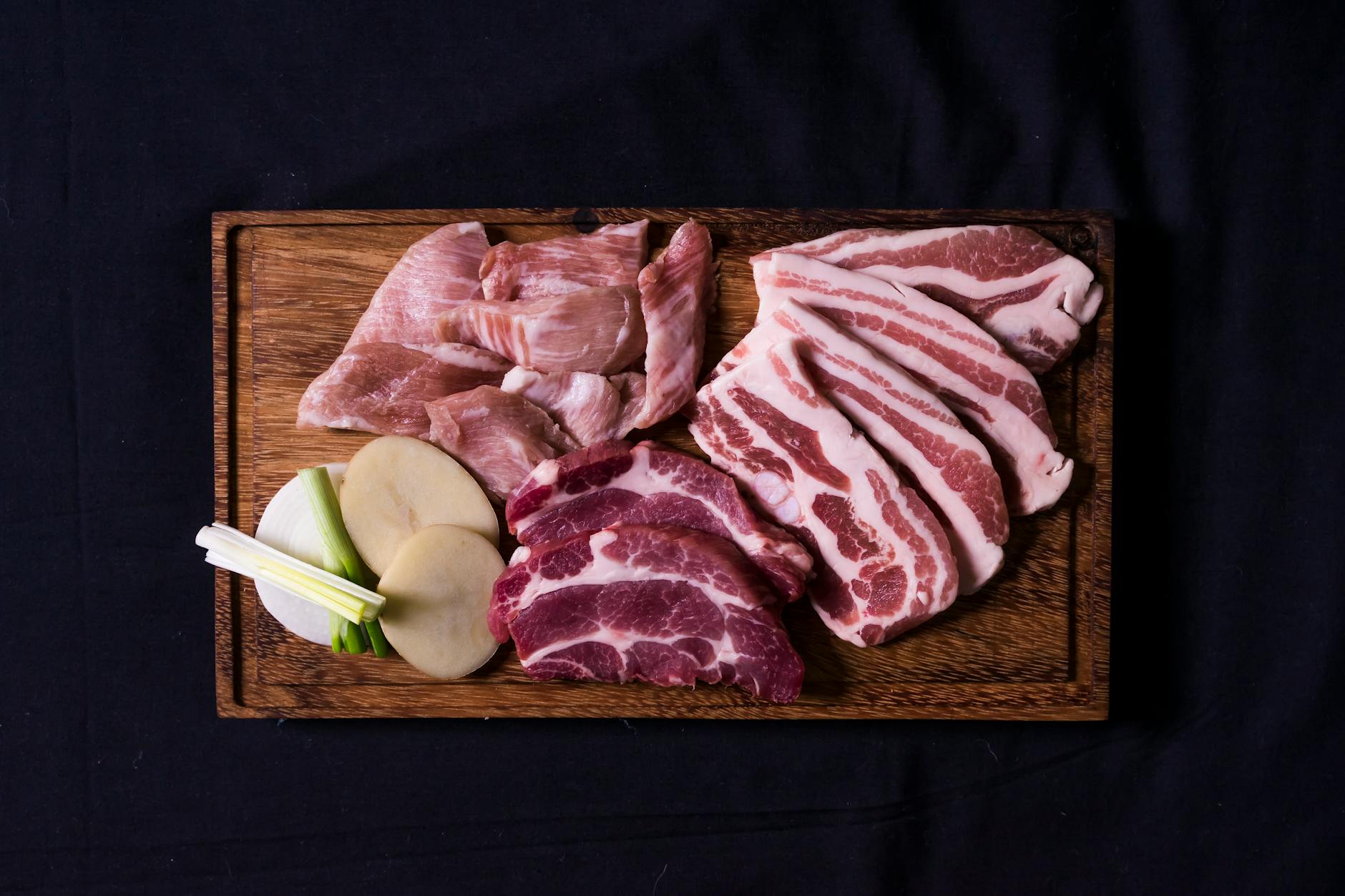
Mercury contamination is most often associated with seafood, but it can also make its way into certain meats through environmental exposure and animal feed. Mercury is a toxic heavy metal that accumulates in living organisms over time, particularly in ecosystems affected by industrial pollution. When humans consume contaminated foods regularly, it can lead to health concerns, especially affecting the nervous system. While fish remain the primary source, some land and game meats have also been found to contain trace or elevated levels of mercury under certain conditions.
Wild Game Meat: Deer and Boar
Wild game such as venison and wild boar can sometimes carry higher levels of mercury depending on their habitat. Animals living near contaminated water sources or industrial areas may ingest mercury through plants and soil. Unlike farm-raised livestock, wild animals are not monitored for contaminants, making their exposure less predictable.
Hunters who rely heavily on wild game for food may face a higher risk if the environment is polluted, especially in regions with known mercury deposits.
Organ Meats: Liver and Kidneys
Organ meats—including liver and kidneys from animals like cows and pigs—can accumulate toxins more readily than muscle meat. These organs act as filters in the body, processing contaminants that the animal is exposed to during its lifetime.
While mercury is not always present at dangerous levels, repeated consumption of organ meats from animals raised in contaminated areas could increase exposure. This is particularly relevant in regions with high environmental pollution.
Processed Meats: Indirect Contamination Risks
Processed meats such as sausages, hot dogs, and deli slices can sometimes contain trace amounts of mercury, not because of the meat itself but due to additives or cross-contamination during processing. Ingredients sourced from multiple suppliers may introduce small amounts of heavy metals, and large-scale production increases the chances of contamination.
While levels are typically low and regulated, frequent consumption of heavily processed meats may contribute to cumulative exposure over time.
Poultry: Feed-Related Exposure
Chicken and turkey are generally considered safe, but mercury can enter poultry through contaminated feed or water. In some cases, fish meal used in animal feed may introduce trace amounts of mercury into the birds’ diet.
Although regulations limit these exposures, inconsistencies in feed quality or sourcing can still pose a minor risk. The levels found in poultry are usually much lower than in seafood, but they are not entirely absent.
Beef: Environmental and Industrial Factors
Cattle raised near industrial zones or polluted land may be exposed to mercury through grazing. Soil and water contamination can transfer small amounts of mercury into grass and feed crops, which are then consumed by livestock.
While most commercial beef is tested and monitored for safety, localized contamination can still occur. Grass-fed cattle in pristine environments are generally less likely to carry such risks compared to those raised in heavily industrialized regions.
The Bottom Line: Context Matters Most
While certain meats can contain trace amounts of mercury, the overall risk is typically much lower than that associated with high-mercury fish. Factors such as environment, feed quality, and processing methods all play a role in determining contamination levels. For most people, a varied diet and sourcing meat from reputable suppliers will keep exposure well within safe limits. Being aware of where food comes from and how it’s produced remains the best strategy for minimizing potential risks.



Leave a Reply