
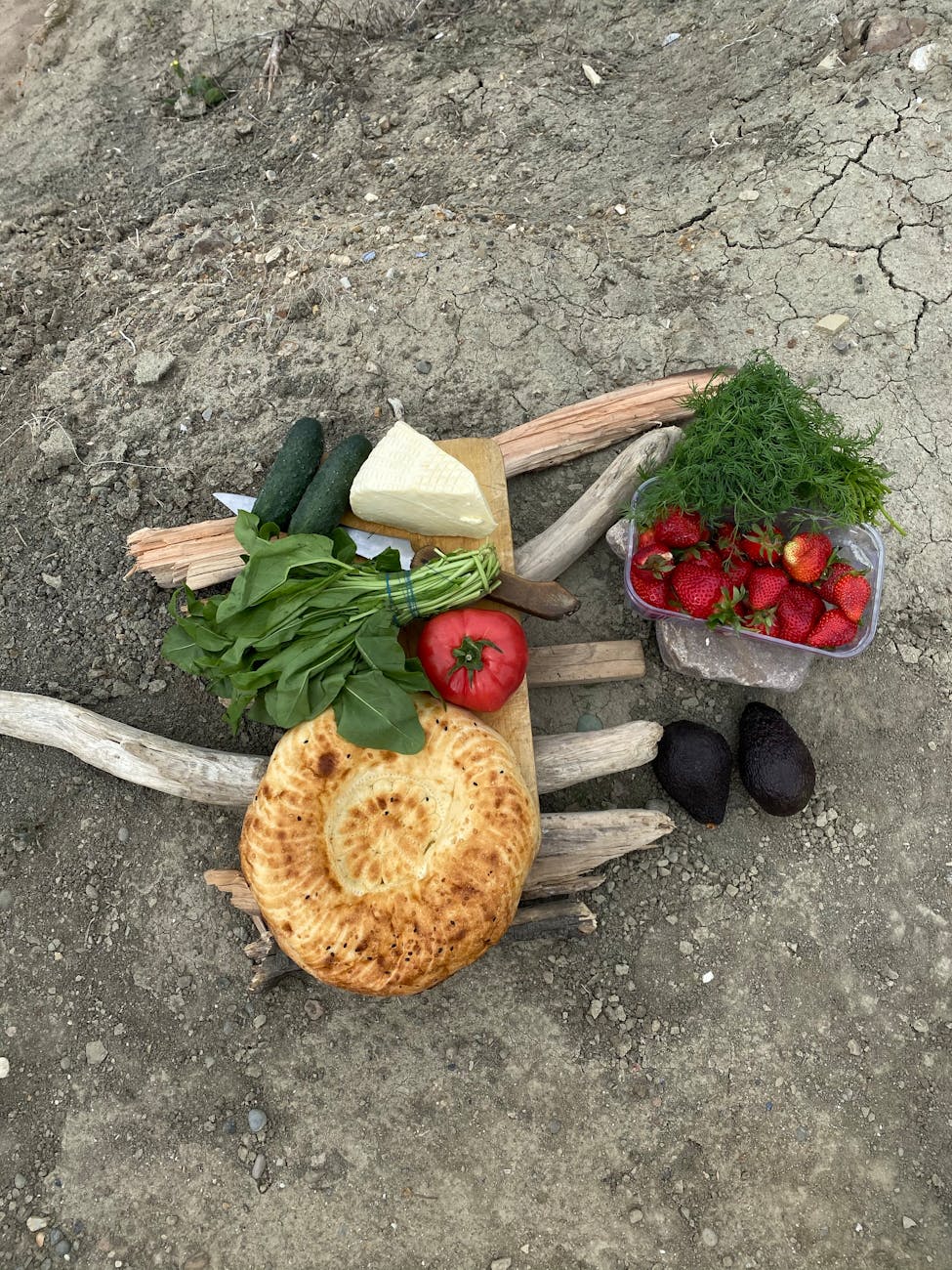
The “five-second rule” is something most people have heard at least once, suggesting that food dropped on the floor is still safe if picked up quickly. While science doesn’t fully support that rule, the truth is a bit more nuanced. Not all foods carry the same risk when they hit the ground. Factors like moisture, texture, and the cleanliness of the surface all play a role in determining whether it’s relatively safe to eat or better to toss. Here are some types of foods that are generally less risky if dropped briefly—though caution is always advised.
Hard, Dry Foods: Minimal Bacteria Transfer
Foods that are dry and have a hard surface tend to pick up fewer bacteria when dropped. Items like crackers, pretzels, or hard cookies don’t provide much moisture for bacteria to cling to, which reduces the likelihood of contamination in a short amount of time.
Because these foods have limited surface stickiness, they’re less likely to collect dirt or germs instantly. If dropped on a relatively clean indoor floor and picked up quickly, they are among the safer options compared to softer and wetter foods.
Thick-Skinned Fruits: Natural Protection
Fruits with thick, protective skins—such as bananas, oranges, or avocados—offer a built-in barrier against contamination. Even if the outer peel comes into contact with the floor, the edible portion inside remains protected.
As long as the peel isn’t damaged, these fruits can usually be considered safe after a quick rinse or wipe. This makes them one of the lowest-risk categories of dropped food, especially when compared to exposed or sliced fruit.
Wrapped or Packaged Foods: A Protective Layer
If food is still in its wrapper or packaging when it falls, the risk of contamination is significantly reduced. Items like granola bars, sealed candy, or individually wrapped snacks are protected by their outer layer, which prevents direct contact with the ground.
As long as the packaging remains intact, the food inside is generally safe to eat. This makes packaged snacks one of the safest types of dropped food in almost any situation.
Bread with a Crust: Limited Surface Contact
Certain types of bread, particularly those with a firm crust like baguettes or rolls, are less likely to absorb contaminants instantly. If only the crust touches the ground and the interior remains untouched, the risk is lower compared to softer breads.
However, softer bread slices or items with spreads can easily pick up bacteria and debris, so they are not as safe. The texture and dryness of the crust play an important role in reducing contamination.
Candy with Hard Shells: Easy to Clean
Candies with hard outer shells, such as chocolate-coated treats or sugar-coated sweets, are less likely to absorb contaminants. In some cases, they can even be wiped off if they come into contact with a relatively clean surface.
Because the outer shell acts as a barrier, the inside remains protected. However, sticky candies or those without a coating can quickly pick up dirt and bacteria, making them less safe.
Conclusion: Use Common Sense First
While some foods are less likely to pick up bacteria when dropped, no food is completely risk-free once it hits the ground. The cleanliness of the surface, how long the food sits there, and the type of food all matter. Dry, hard, or protected foods are generally safer options, but when in doubt, it’s always better to throw it out. A moment of caution can prevent potential illness and keep your meals worry-free.


Leave a Reply