
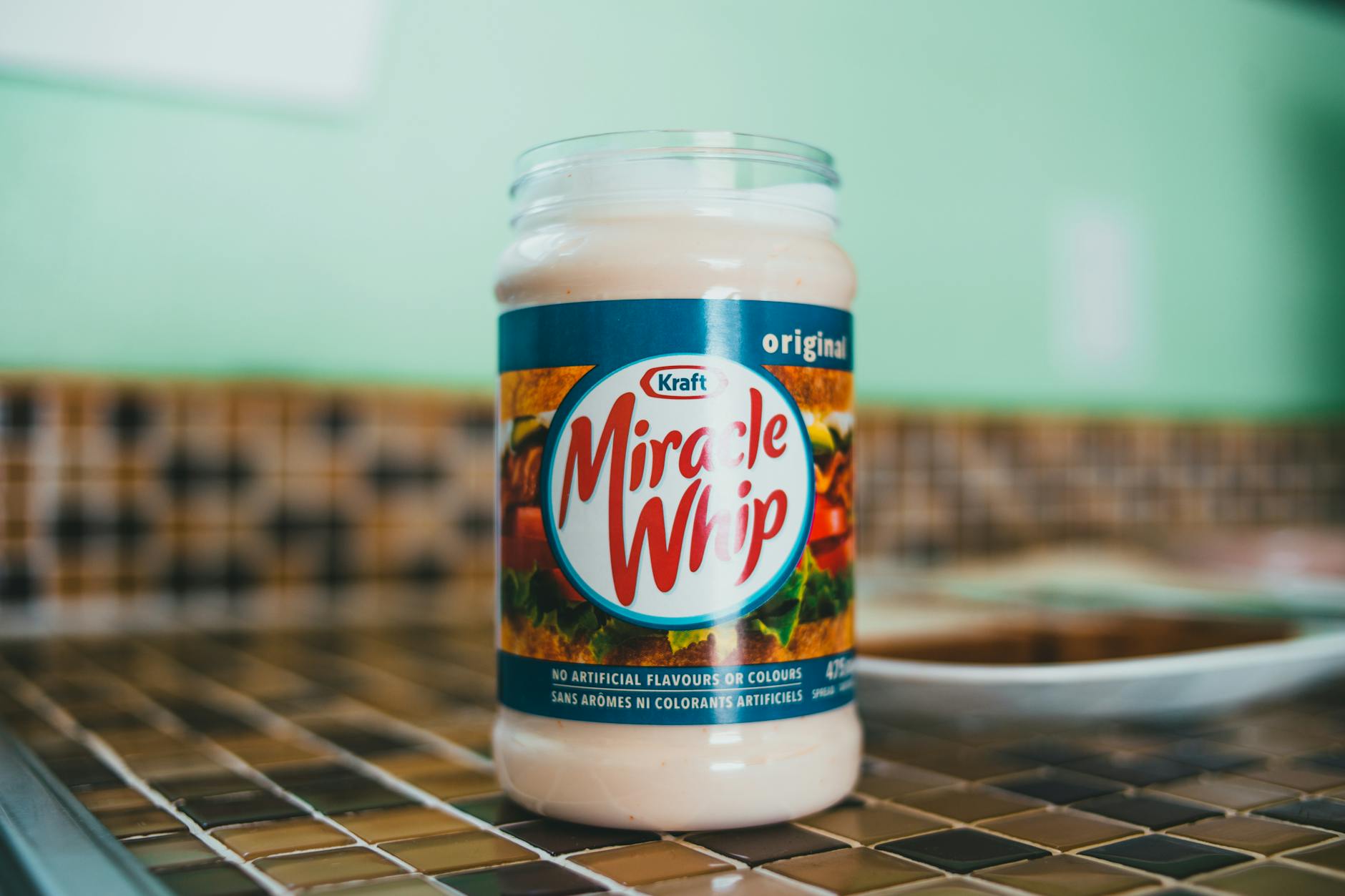
Mayonnaise is a refrigerator staple in millions of households, used in everything from sandwiches to salads. But even widely trusted condiments aren’t immune to recalls and removals. Over the years, several mayonnaise brands and products have been pulled from store shelves due to contamination concerns, labeling issues, or ingredient problems. While these incidents are often precautionary, they highlight the importance of food safety and strict quality control in the condiment industry.
Hellmann’s: Contamination and Packaging Concerns
Hellmann’s, one of the most recognizable mayonnaise brands in the U.S., has faced occasional product removals due to packaging defects and potential contamination risks. In some cases, issues with sealing or storage raised concerns about spoilage or bacterial growth. While large-scale recalls are rare, even isolated incidents prompt swift action to protect consumers and maintain brand trust.
Kraft: Labeling and Ingredient Issues
Kraft mayonnaise products have been removed from stores due to labeling inconsistencies, particularly involving allergens. In certain instances, incorrect ingredient listings raised concerns for consumers with sensitivities to eggs or other components. These types of recalls are especially serious because even small labeling errors can pose significant health risks, leading companies to act quickly.
Duke’s: Regional Recalls and Quality Control
Duke’s mayonnaise, a Southern favorite, has experienced limited regional recalls tied to quality control issues. These removals have included concerns over improper storage conditions or deviations in production standards. Though not widespread, such incidents demonstrate how even smaller, beloved brands must adhere to strict food safety regulations to remain on shelves.
Trader Joe’s: Private Label Pullbacks
Trader Joe’s has removed its private-label mayonnaise products from stores in the past due to supplier-related issues. These situations often involve third-party manufacturers failing to meet safety or labeling standards. Because private-label products rely on outside production, any breakdown in that chain can result in quick and widespread product withdrawals.
Sir Kensington’s: Ingredient Transparency Concerns
Sir Kensington’s, known for its “clean label” approach, has also faced scrutiny leading to product removals. In some cases, questions about ingredient sourcing or formulation inconsistencies prompted temporary withdrawals. While these actions are often precautionary, they reflect growing consumer demand for transparency and high-quality ingredients in everyday condiments.
Why Mayo Gets Removed: Common Causes
Most mayonnaise removals fall into a few key categories: contamination risks (such as bacterial growth), labeling errors (especially allergens), packaging defects, and supplier issues. Because mayonnaise contains eggs and oil—ingredients that can spoil if mishandled—it requires strict temperature control and careful production. Any lapse in these areas can lead to recalls or removals.
Conclusion: Safety First, Even for Condiments
Although mayonnaise seems like a simple product, its production involves careful oversight to ensure safety and quality. Brands like Hellmann’s, Kraft, Duke’s, Trader Joe’s, and Sir Kensington’s have all faced situations where products were removed from shelves, often out of caution rather than confirmed harm. These incidents serve as a reminder that even everyday items are subject to rigorous standards—and that quick recalls are a sign of a system working to protect consumers.

Leave a Reply