
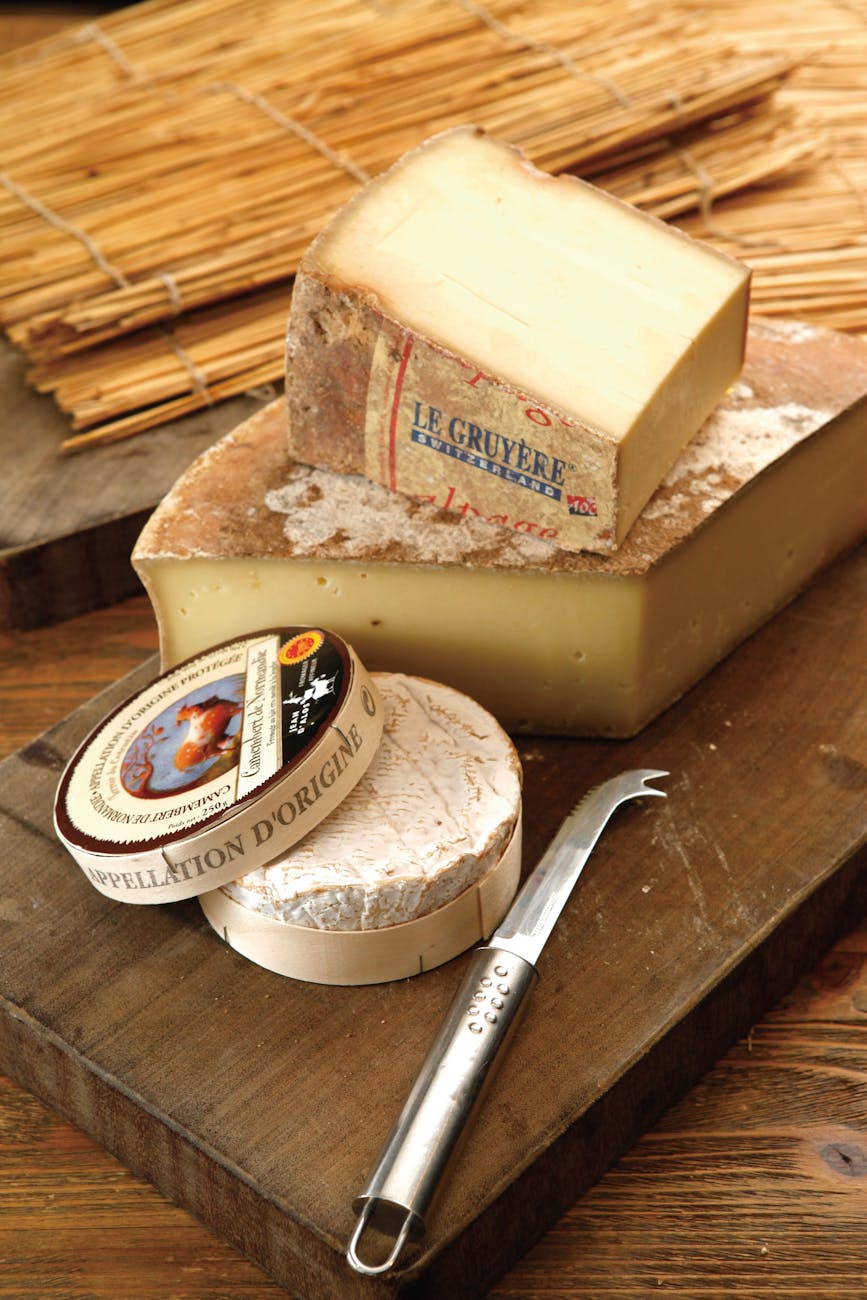
Cheese is traditionally a simple food made from milk, salt, and enzymes. But not all products labeled as “cheese” stick to that formula. Many highly processed varieties contain a long list of additives—emulsifiers, preservatives, artificial colors, and stabilizers—that can outweigh the actual cheese content. While these products are designed for convenience and shelf life, they often sacrifice authenticity and nutritional value. Understanding which cheeses fall into this category can help consumers make more informed choices.
Kraft Singles: More Additives Than Dairy
Kraft Singles are one of the most recognizable processed cheese products, but they are technically classified as a “pasteurized prepared cheese product.” That’s because they contain a blend of milk proteins, whey, and a variety of emulsifying salts rather than pure cheese. Ingredients like sodium phosphate and preservatives help maintain texture and extend shelf life, but they also contribute to a product that is more engineered than natural.
Velveeta: Engineered for Meltability
Velveeta is famous for its ultra-smooth melting quality, making it a go-to for dips and sauces. However, that consistency comes from a mix of cheese, milk proteins, and chemical stabilizers. Emulsifiers prevent separation when heated, while preservatives extend shelf life far beyond that of traditional cheese. The result is a product that behaves more like a food formulation than a naturally aged dairy item.
Cheez Whiz: A Spread Packed with Additives
Cheez Whiz takes processing even further by turning cheese into a spreadable product. Its ingredient list often includes oils, artificial flavors, stabilizers, and preservatives in addition to dairy components. This heavy processing allows it to remain shelf-stable and easy to use, but it also means the actual cheese content is relatively low compared to the number of added ingredients.
Easy Cheese: Cheese in a Can
Easy Cheese, the aerosol cheese product, is another example where additives dominate the ingredient list. Designed for convenience and novelty, it contains emulsifiers, propellants, and preservatives alongside small amounts of cheese. The airy, sprayable texture is achieved through processing rather than traditional cheese-making methods, making it one of the most chemically altered cheese products on the market.
Generic American Cheese Slices: Blended and Modified
Many store-brand American cheese slices fall into the same category as major processed brands. These products are often made by blending small amounts of cheese with oils, whey, and stabilizers to create a uniform texture. The addition of artificial colors and preservatives further distances them from natural cheese, resulting in a product that prioritizes consistency over authenticity.
Why So Many Additives?
The heavy use of additives in these products serves specific purposes. Emulsifiers keep fats and liquids from separating, preservatives extend shelf life, and artificial colors maintain a consistent appearance. These features make processed cheese convenient and cost-effective, especially for large-scale production. However, they also create a product that is far removed from traditional cheese in both composition and flavor.
Conclusion: Choosing Real Cheese Over Processed Alternatives
Cheeses with more chemicals than actual dairy may be convenient, but they come with trade-offs in quality and nutrition. Products like Kraft Singles, Velveeta, Cheez Whiz, Easy Cheese, and generic American slices are engineered for stability and ease of use rather than authenticity. For those seeking a more natural option, choosing minimally processed cheeses with simple ingredient lists is the best way to enjoy the true taste and benefits of cheese.

Leave a Reply