
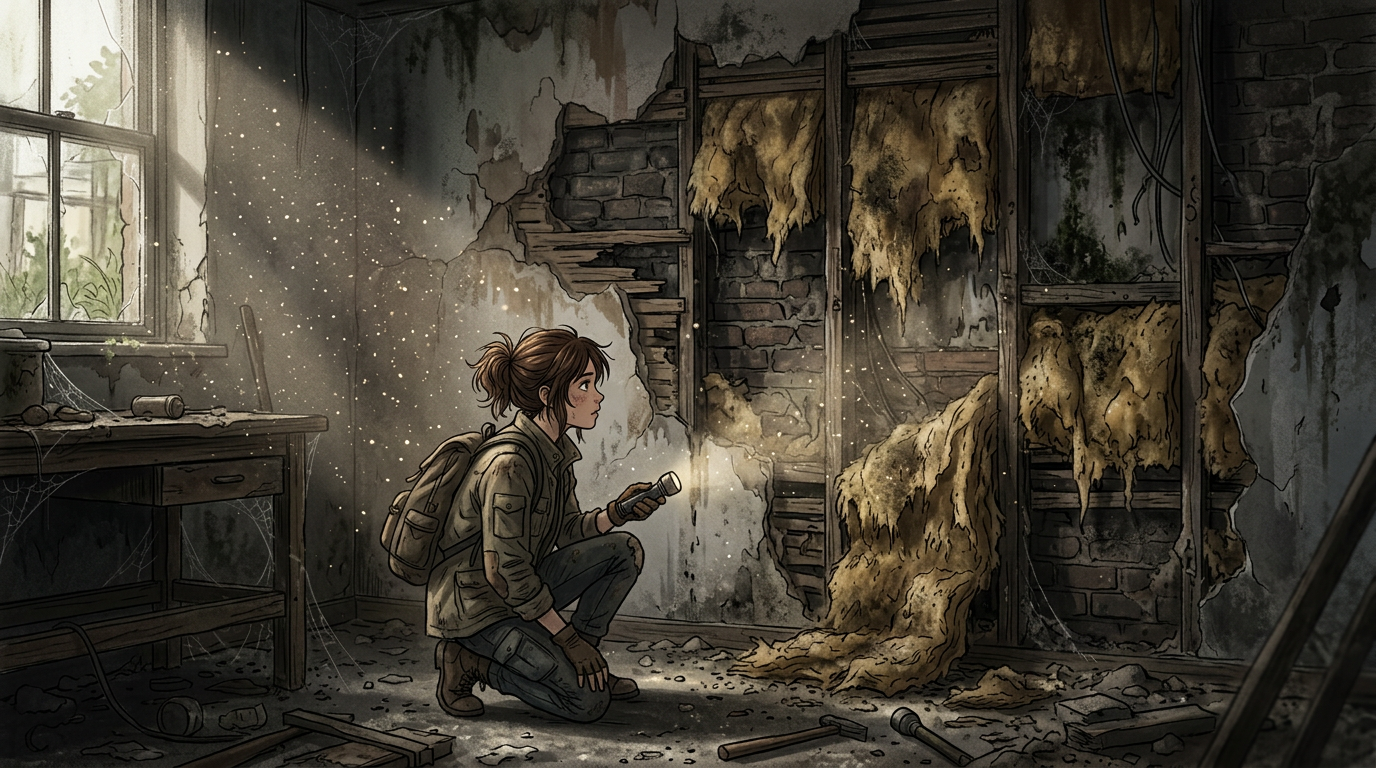
During the post–World War II housing boom, many materials used in construction were praised for their durability, affordability, and fire resistance. However, decades later, some of these same materials have been restricted or outright banned due to serious health and environmental risks. Homes built during the Baby Boomer era (roughly 1946–1964) often still contain these substances, raising concerns for homeowners, renovators, and inspectors. Understanding which materials have fallen out of favor—and why—can help people better manage older properties and avoid potential hazards.
Asbestos: The “Miracle Mineral” Turned Hazard
Few building materials are as infamous as Asbestos. Once widely used for insulation, roofing shingles, floor tiles, and pipe wrapping, asbestos was valued for its heat resistance and strength. However, it was later linked to serious diseases, including lung cancer and mesothelioma.
When disturbed, asbestos fibers become airborne and can be inhaled, posing significant health risks. Today, its use is heavily restricted or banned in many applications, though it still exists in countless older homes.
Lead-Based Paint: A Hidden Toxic Threat
Another common feature of mid-century homes is Lead-based paint. Lead was added to paint to improve durability and moisture resistance, but it also introduced a major health hazard—especially for children. Exposure to lead can cause developmental delays, neurological damage, and other serious issues.
In the United States, residential use of lead-based paint was banned in 1978, but homes built before that time may still contain layers of it beneath newer paint.
Urea-Formaldehyde Insulation: Off-Gassing Concerns
Urea-formaldehyde foam insulation (UFFI) gained popularity in the mid-20th century as an energy-efficient way to seal homes. However, it was later found to release formaldehyde gas over time, particularly when newly installed.
Formaldehyde exposure can irritate the eyes, nose, and throat and has been classified as a potential carcinogen. Due to these concerns, UFFI was largely banned or restricted in residential construction, though remnants may still be found in older walls.
PCB-Containing Materials: Toxic Industrial Compounds
Polychlorinated biphenyls (PCBs) were commonly used in electrical equipment, caulking, and some building sealants during the Baby Boomer era. These chemicals were prized for their stability and insulating properties.
However, they were later found to persist in the environment and accumulate in human tissue, posing risks to the immune, reproductive, and nervous systems. The production of PCBs was banned in the United States in 1979, but older buildings may still contain PCB-laden materials that require careful handling.
Radon-Prone Construction: A Silent Risk
While not a building material itself, certain construction practices of the era inadvertently increased exposure to Radon. Homes built with poor ventilation or on radon-prone soil allowed this naturally occurring radioactive gas to accumulate indoors.
Radon is now recognized as a leading cause of lung cancer among non-smokers. Modern building codes often include radon mitigation systems, but older homes may lack these protections, making testing essential.
The Bottom Line: Old Materials, Modern Awareness
Many building materials once considered innovative are now known to carry significant risks. While not every older home is dangerous, awareness is key when renovating or purchasing properties from the Baby Boomer era. Professional inspections, proper removal techniques, and updated safety standards can help mitigate these hazards. As building science evolves, these outdated materials serve as a reminder that progress often comes with lessons learned the hard way.




Leave a Reply