
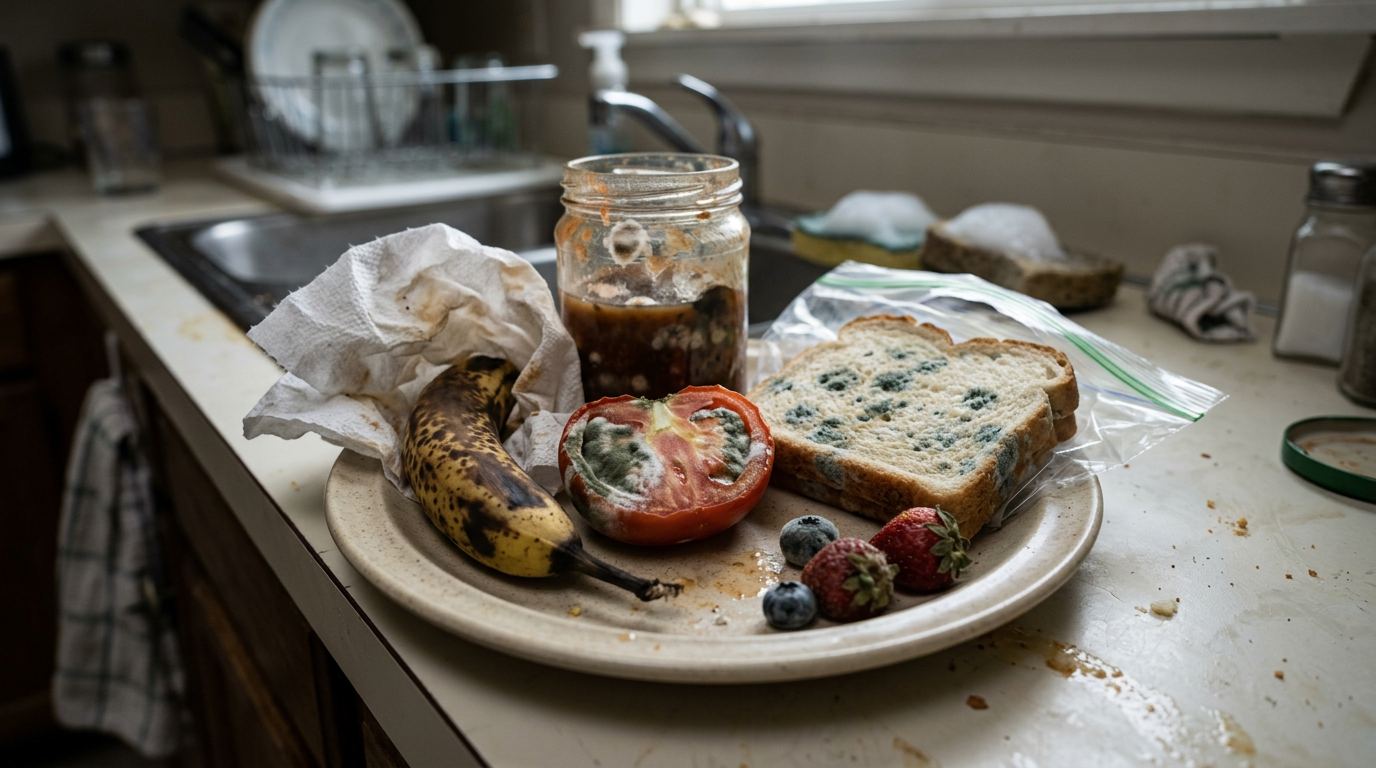
Most people know that eating spoiled food can lead to an upset stomach, but in some cases, the consequences can be far more serious. Certain foods, when improperly stored or left too long, can develop harmful bacteria or toxins that pose real health risks. While many cases result in mild food poisoning, others can lead to severe illness or even death. Understanding which spoiled foods are especially dangerous can help you avoid unnecessary risks in the kitchen.
Improperly Canned Foods: A Risk for Botulism
Improperly canned foods are one of the most dangerous sources of foodborne illness. When canning isn’t done correctly, it can create an oxygen-free environment where bacteria like Clostridium botulinum thrive. This bacterium produces a toxin that causes botulism, a rare but potentially fatal illness that affects the nervous system. Symptoms can include muscle weakness, difficulty breathing, and paralysis.
Spoiled Meat: Bacteria Growth Gone Wild
Meat that has gone bad can harbor dangerous bacteria such as Salmonella and E. coli. When meat is left unrefrigerated or stored past its safe window, these bacteria multiply rapidly. Consuming spoiled meat can lead to severe food poisoning, causing symptoms like vomiting, diarrhea, and dehydration. In extreme cases, especially for vulnerable individuals, it can become life-threatening.
Moldy Bread: More Than Just Fuzzy Spots
While it might be tempting to cut off moldy sections of bread and eat the rest, this can be risky. Mold can spread invisible roots throughout the loaf, and some types produce mycotoxins that are harmful if ingested. These toxins can cause allergic reactions, respiratory issues, and in rare cases, more serious health problems.
Expired Dairy Products: A Breeding Ground for Bacteria
Milk, cheese, and other dairy products can become dangerous when spoiled. As they break down, harmful bacteria can grow, leading to contamination. Drinking spoiled milk or eating bad cheese can result in intense gastrointestinal distress. Soft cheeses, in particular, are more susceptible to bacterial growth and should be handled with care.
Cooked Rice Left Out: A Hidden Danger
Cooked rice is often overlooked as a potential hazard, but it can be dangerous if left at room temperature for too long. It can develop Bacillus cereus, a bacterium that produces toxins even after reheating. Consuming contaminated rice can cause vomiting and diarrhea, sometimes within hours.
Spoiled Seafood: Rapid Toxin Development
Seafood is highly perishable and can quickly become unsafe if not stored properly. Spoiled fish and shellfish can develop toxins that are not destroyed by cooking. These toxins can cause serious illness, including neurological symptoms and severe digestive distress. Because seafood spoils so quickly, it requires extra attention to freshness.
Why Some Spoiled Foods Are More Dangerous
Not all spoiled foods are equally risky. The most dangerous ones tend to support the growth of toxin-producing bacteria or molds. In some cases, the toxins remain even after cooking, making them especially hazardous. Temperature, moisture, and storage conditions all play a role in how quickly food becomes unsafe.
Conclusion: When in Doubt, Throw It Out
Spoiled food isn’t just unpleasant—it can be dangerous. From improperly canned goods to leftover rice and seafood, certain foods carry higher risks when they go bad. Paying attention to storage guidelines, expiration dates, and signs of spoilage can help protect your health. When something seems questionable, it’s always safer to discard it than to take the risk.


Leave a Reply