
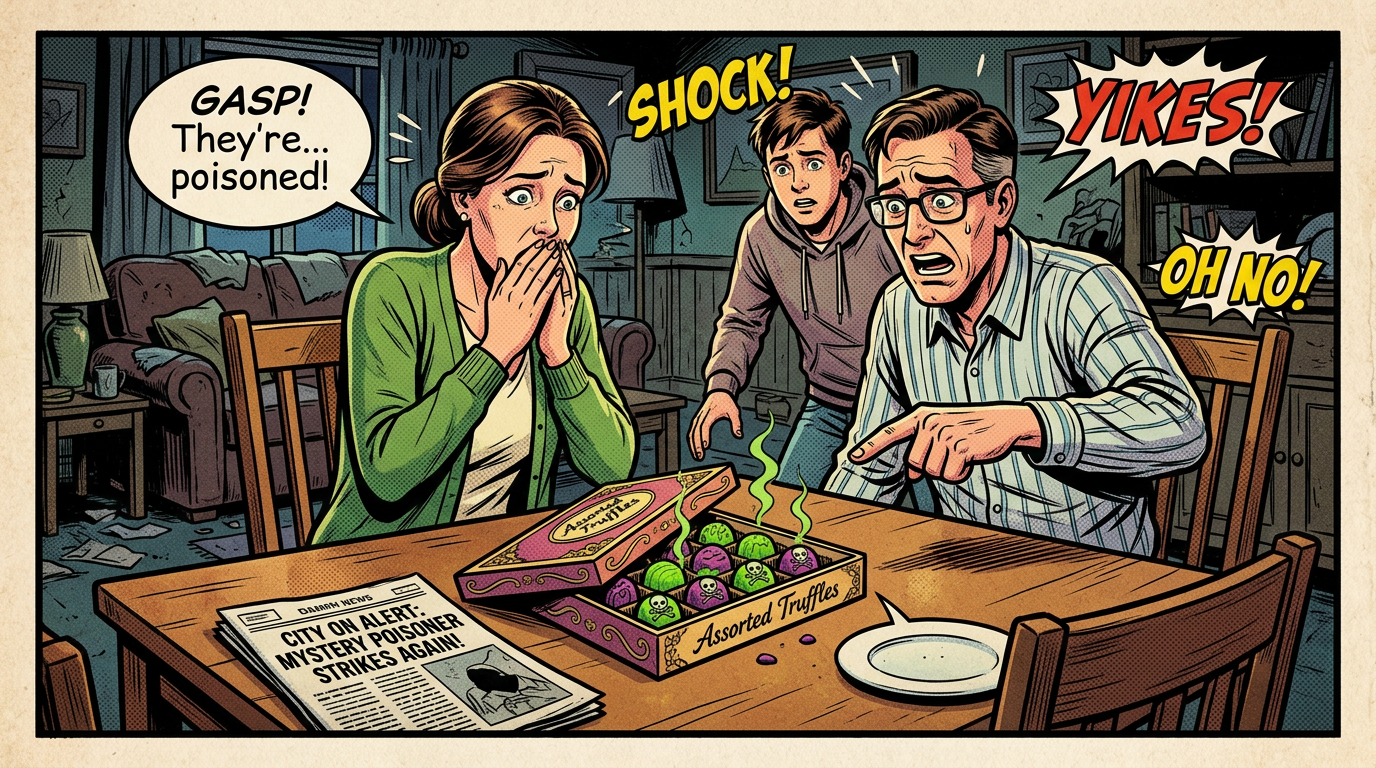
Chocolate is often treated as a simple indulgence, but investigations have shown that some well-known brands and flavors may contain trace amounts of potentially harmful heavy metals like lead and cadmium. These contaminants typically come from the soil where cacao is grown or from processing methods. While occasional consumption is generally considered safe, certain chocolate bars—especially darker varieties—have raised concerns due to repeated exposure over time. Here’s a closer look at specific brands and products that have been flagged in testing.
Theo Sea Salt 70% Dark Chocolate Bar: Organic Doesn’t Mean Low Toxins
Theo’s 70% dark chocolate bars have been highlighted in testing for having higher levels of both lead and cadmium compared to many competitors. Despite being organic and fair-trade, studies show that environmental factors—like soil contamination—can still lead to elevated heavy metal content.
This makes Theo a prime example of how “clean” labeling doesn’t always guarantee lower toxin levels.
Trader Joe’s 85% Dark Chocolate Bar: High Cocoa, Higher Risk
Trader Joe’s dark chocolate bars, particularly those with very high cacao percentages like 85%, have also been flagged for elevated heavy metal levels. Higher cocoa content often means higher cadmium concentrations, since the metal accumulates in cacao beans.
For frequent dark chocolate eaters, this type of product may contribute more significantly to long-term exposure.
Lily’s Extra Dark Chocolate: Sweetened, But Still Concerning
Lily’s chocolate, known for using alternative sweeteners, has also appeared on lists of products with higher heavy metal readings. Even though it’s marketed as a healthier option, the cocoa content still plays a major role in contamination levels.
This highlights that sugar-free or low-carb labeling doesn’t necessarily reduce other risks.
Green & Black’s Organic Dark Chocolate: Premium but Problematic
Green & Black’s is often positioned as a premium organic brand, yet some of its dark chocolate bars have tested high for both lead and cadmium.
The issue again points back to sourcing—cacao grown in certain regions can naturally absorb more heavy metals from the soil.
Hershey’s Special Dark Chocolate: Mainstream Brands Affected Too
It’s not just niche or organic brands—mainstream options like Hershey’s Special Dark have also been found to contain measurable levels of heavy metals.
Because these products are widely consumed, they can be a significant source of exposure for everyday chocolate lovers.
Dark Chocolate vs. Milk Chocolate: Why It Matters
One key trend across all these brands is that darker chocolate tends to contain more contaminants than milk chocolate. That’s because heavy metals concentrate in cocoa solids, which are present in higher amounts in dark chocolate.
While milk chocolate isn’t completely free of risk, its lower cocoa content typically means lower levels of these substances.
Why These Toxins Are Hard to Avoid
Heavy metals like cadmium occur naturally in soil and are absorbed by cacao plants as they grow. Lead, on the other hand, is often introduced during drying, shipping, or manufacturing.
Because these factors are tied to global agriculture and supply chains, eliminating contamination entirely is difficult.
Conclusion: Moderation Is Key
Chocolates from brands like Theo, Trader Joe’s, Lily’s, Green & Black’s, and Hershey’s show that contamination isn’t limited to one type of product or price range. The biggest takeaway isn’t to avoid chocolate altogether, but to be mindful of how often you consume it—especially high-cocoa varieties. By mixing up brands, choosing lower cacao percentages occasionally, and enjoying chocolate in moderation, you can still indulge without significantly increasing your risk.




Leave a Reply