
Fast food is all about convenience, but when you go can make a big difference in quality, speed, and even food safety. While these restaurants are designed to serve customers quickly throughout the day, there are certain times when things don’t run as smoothly. Whether it’s long lines, stale food, or rushed service, knowing the worst times to visit can help you avoid a disappointing experience.
Early Morning Before Peak Breakfast Hours: Limited Freshness
Showing up too early—right when a location opens—can mean you’re getting food that hasn’t fully rotated yet. In some cases, breakfast items may still be in the process of being prepped, and coffee or baked goods might not be at their freshest. Staff may also still be setting up for the day, which can lead to slower service or incomplete menus.
Mid-Morning (Between Breakfast and Lunch): The Transition Window
The period between breakfast and lunch—typically around 10:30 to 11:30 a.m.—is one of the most awkward times to visit. Kitchens are switching menus, which can lead to limited availability or longer wait times. Some items may be held over from earlier service, meaning they’re not as fresh as they could be.
Lunch Rush (12:00–1:30 PM): Long Lines and Rushed Orders
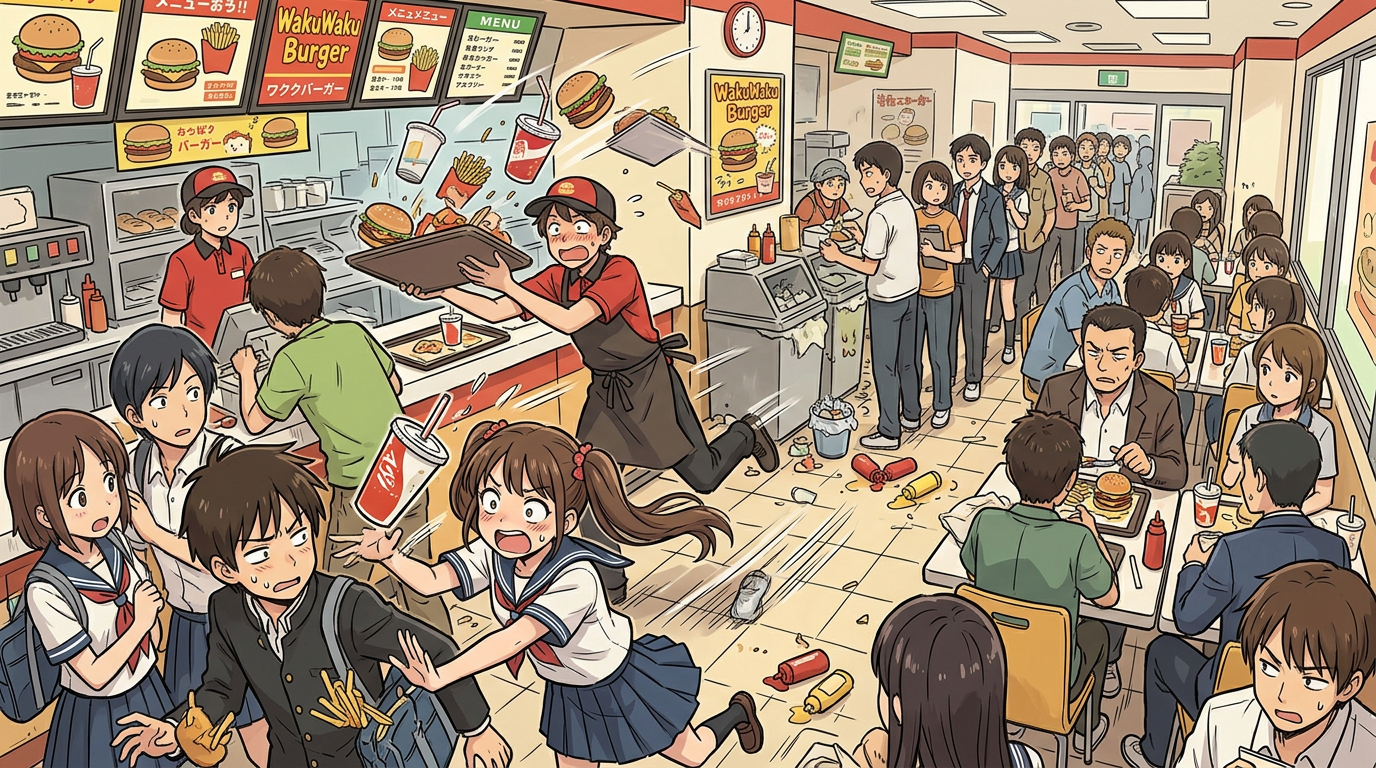
The lunch rush is one of the busiest times at any fast food restaurant. While food turnover is high—meaning it’s usually fresh—the downside is the crowd. Long lines, packed dining areas, and overwhelmed staff can lead to mistakes in orders and longer wait times. If you’re in a hurry, this is often the worst time to stop in.
Late Afternoon (2:00–4:00 PM): Food Sitting Too Long
After the lunch rush dies down, many locations experience a lull. During this time, food may sit under heat lamps longer than usual because there’s less demand. Items like fries or chicken can lose their crispness and flavor. While service may be faster, the quality of the food can suffer.
Late Night (After 10:00 PM): Limited Staff and Menu
Late-night visits can be hit or miss. Many fast food locations operate with reduced staff during these hours, which can slow down service and increase the likelihood of mistakes. Additionally, menus are often limited, and some items may not be available at all. In some cases, ingredients may be nearing the end of their holding time, affecting freshness.
Right Before Closing: Last-Minute Problems
Stopping by just before closing time can be risky. Staff may already be cleaning equipment or shutting down parts of the kitchen, which can limit what’s available. There’s also a higher chance that food has been sitting for a while or that your order will be rushed. While it might seem convenient, it’s rarely the best time for quality.
Why Timing Affects Your Experience
Fast food restaurants rely on timing and volume to maintain quality. During peak hours, high demand ensures fresh food but creates stress and delays. During slow periods, food may not be replaced as frequently, leading to lower quality. Staffing levels also vary throughout the day, which can impact both speed and accuracy.
Conclusion: Plan Your Visit Wisely
If you want the best fast food experience, timing is key. Avoiding early mornings, transition periods, and late-night visits can help you get fresher food and better service. Instead, aim for slightly off-peak hours—just before or after major rushes—when the kitchen is fully running but not overwhelmed. A little planning can make your quick meal far more enjoyable.


Leave a Reply