
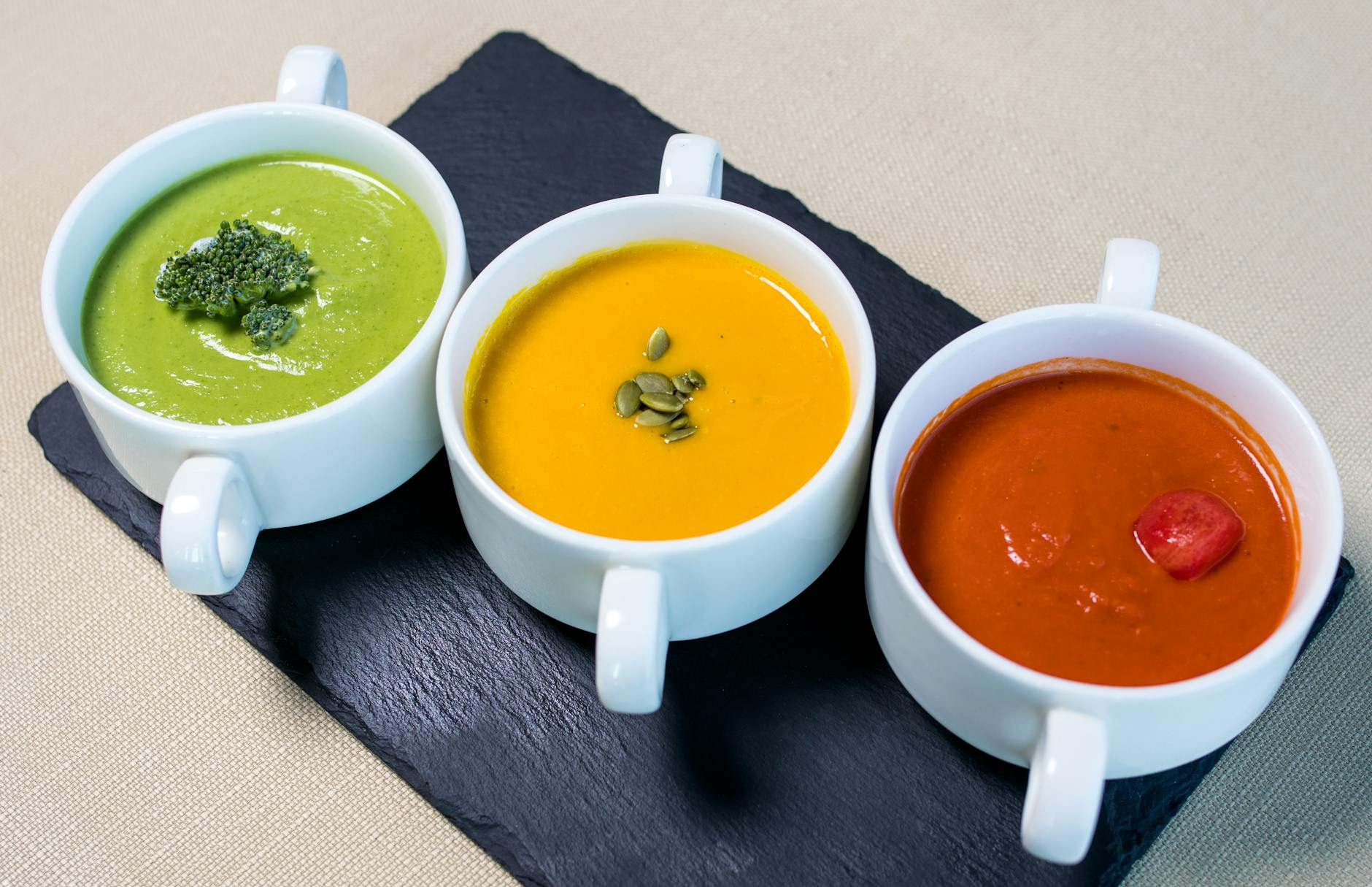
Canned soup is often seen as a simple, comforting staple—something warm, convenient, and relatively wholesome. But behind the familiar labels and hearty imagery, some canned soups rely on artificial coloring to maintain a consistent and appealing appearance. While food dyes are more commonly associated with candy or soda, they can also show up in savory products, including soups. These additives are typically used to enhance or standardize color, especially after processing, but their presence has raised questions among consumers looking for cleaner, more natural ingredients.
Tomato-Based Soups: Boosting the Red Hue
Classic tomato soups, like those from Campbell’s, are expected to have a rich, vibrant red color. However, processing and storage can dull that natural brightness. In some cases, manufacturers may use color additives to restore or enhance the visual appeal.
While not all tomato soups contain artificial dyes, certain formulations—especially lower-cost or mass-produced varieties—may rely on added coloring to ensure uniformity across batches.
Chicken Noodle Soup: Making Broth Look Richer
Chicken noodle soup is typically associated with a golden, comforting broth. Brands such as Progresso sometimes use color-enhancing ingredients to achieve that warm hue. While many companies now lean on natural sources like turmeric or paprika extract, some soups may still include artificial dyes or caramel coloring to deepen the broth’s appearance.
The result is a more visually appealing product, even if the color doesn’t come entirely from the ingredients you’d expect.
Cheesy Soups: Bright Yellows and Oranges
Canned soups with cheese bases—like cheddar broccoli or nacho-style varieties—often feature bold yellow or orange tones. Products from brands like Velveeta soup lines or similar offerings may use dyes such as Yellow 5 or Yellow 6 to achieve that signature color.
Natural cheese can vary widely in appearance, so adding dyes helps maintain a consistent look that matches consumer expectations. However, these synthetic colors are among the most commonly debated food additives.
Cream-Based Soups: Subtle but Present Additives
Even cream-based soups, such as cream of mushroom or cream of chicken, can contain color additives. While these soups appear relatively neutral, manufacturers may use small amounts of coloring to prevent a gray or dull look after processing. I
n some cases, caramel coloring is added to slightly deepen the tone. Though less obvious than in brightly colored soups, these additives still play a role in shaping the final product.
Vegetable Soups: Enhancing What Nature Provides
Vegetable soups might seem like the least likely candidates for artificial dyes, but appearances can be deceiving. Mixed vegetable blends can lose their vibrancy during canning, leading some manufacturers to add color back in.
Whether it’s to brighten green beans or intensify the orange of carrots, dyes or color-enhancing additives may be used to make the soup look fresher than it actually is.
The Bottom Line: Reading Between the Ingredients
Not all canned soups contain artificial dyes, and many brands have made efforts to remove them in response to consumer demand. Still, they can appear in certain varieties, particularly those aiming for bold or highly consistent coloring.
Checking ingredient labels for terms like “Yellow 5,” “Red 40,” or “caramel color” is the best way to know what you’re getting. For those looking to avoid synthetic additives, choosing organic or minimally processed options can help reduce exposure while still enjoying the convenience of canned soup.


Leave a Reply