
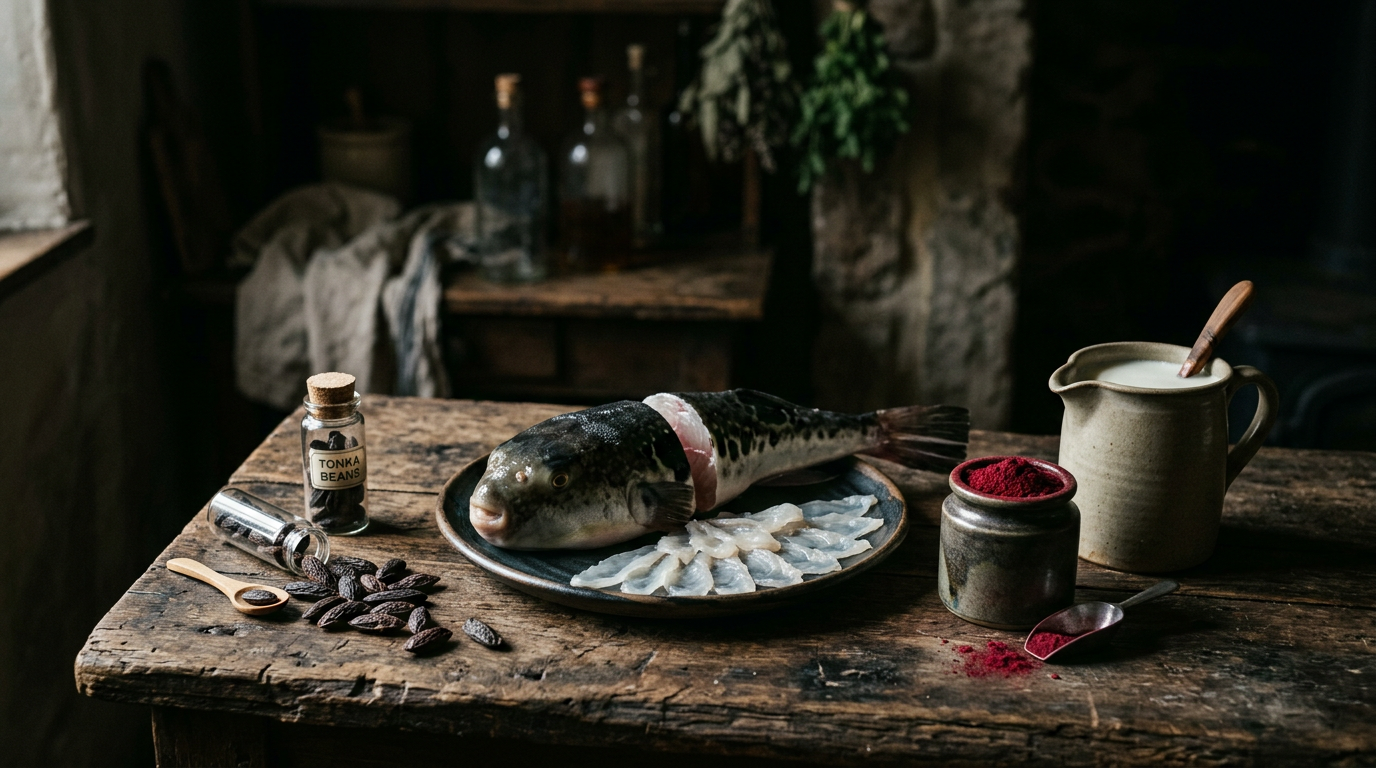
Food trends come and go, but some disappear for more alarming reasons than changing tastes. Over time, certain once-popular foods have been restricted or outright banned after being linked to toxic substances or serious health risks. In many cases, these items were widely enjoyed before science and regulation caught up. Here are some classic foods that fell out of favor not because people stopped liking them—but because they were deemed unsafe.
Absinthe: The “Green Fairy” With a Dark Side
Absinthe was wildly popular in the 19th and early 20th centuries, especially in Europe. Known for its bright green color and association with artists, it was eventually banned in many countries due to concerns about thujone, a compound found in wormwood. It was believed to cause hallucinations and neurological damage. While modern versions are now regulated and available again, the original formulations were considered potentially toxic.
Sassafras Oil: Root Beer’s Risky Ingredient
Sassafras oil was once a key ingredient in traditional root beer and other foods. However, it contains safrole, a compound found to be carcinogenic in animal studies. As a result, safrole was banned by the U.S. Food and Drug Administration, and modern root beer is now made with artificial or safrole-free flavorings.
Red Dye No. 2: A Coloring Controversy
Red Dye No. 2 was commonly used in candies, baked goods, and beverages throughout the mid-20th century. It was eventually banned in the United States after studies raised concerns about its potential carcinogenic effects. The controversy led to increased scrutiny of artificial food colorings and stricter safety regulations.
Fugu: A Delicacy With Deadly Potential
Fugu, a Japanese delicacy made from pufferfish, contains tetrodotoxin—a potent neurotoxin that can be fatal if not properly prepared. While not entirely banned worldwide, its preparation is strictly regulated, and it has been prohibited in some regions. Only specially trained chefs are allowed to serve it safely, highlighting the risks involved.
Unpasteurized Milk: Natural but Risky
Raw, unpasteurized milk was once the norm before pasteurization became widespread. However, it can harbor dangerous bacteria such as E. coli, Salmonella, and Listeria. Due to these risks, its sale is restricted or banned in many places. While some people still seek it out, public health authorities generally advise against its consumption.
Tonka Beans: A Forbidden Flavor
Tonka beans were once used in desserts for their vanilla-like aroma. However, they contain coumarin, a compound that can be toxic in large amounts and may cause liver damage. As a result, tonka beans have been banned for food use in the United States, though they are still used in some other countries under regulation.
Why These Foods Were Banned
The common thread among these foods is the presence of compounds that pose health risks—whether through toxicity, contamination, or long-term effects like cancer. In many cases, these dangers weren’t fully understood until scientific research advanced. Regulatory agencies stepped in to limit or eliminate exposure, prioritizing public safety over tradition.
Conclusion: Lessons From the Past
These once-popular foods serve as a reminder that not everything considered safe in the past holds up under modern scrutiny. While some have returned in safer, regulated forms, others remain banned due to their risks. As food science continues to evolve, it’s likely that our understanding of what’s safe to eat will keep changing—just as it has with these fascinating and sometimes dangerous classics.

Leave a Reply