
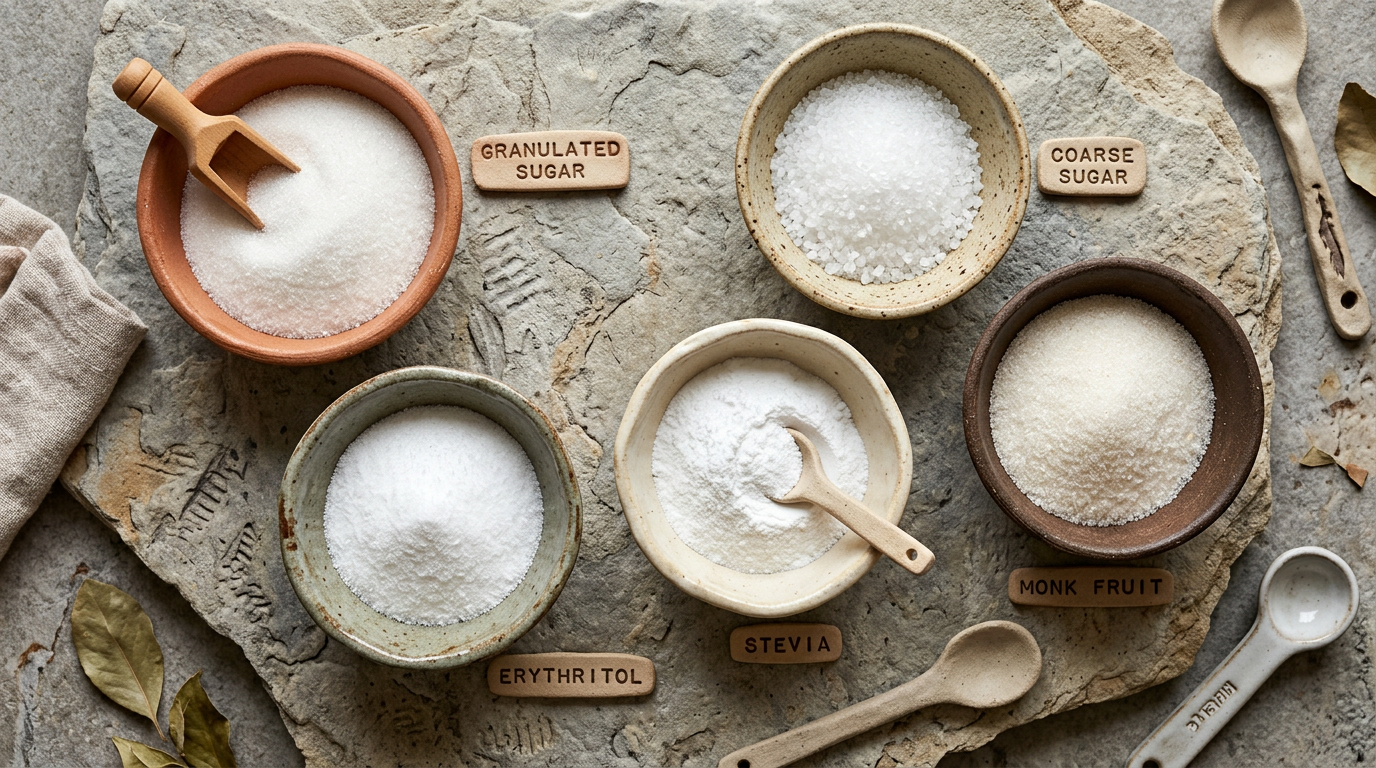
In a world increasingly focused on reducing sugar intake, sugar substitutes have gained massive popularity as a “healthier” way to satisfy a sweet tooth. These artificial and natural alternatives are often marketed as zero-calorie or diabetic-friendly. However, not all sugar substitutes are created equal. Some may carry hidden health risks that outweigh their benefits. Below are some of the worst sugar substitutes for your health—and why you might want to limit or avoid them altogether.
Aspartame
Aspartame is one of the most widely used artificial sweeteners and is found in many diet sodas, sugar-free gums, yogurt, and low-calorie snacks. While it’s FDA-approved and considered safe in small amounts, studies have linked aspartame to a range of potential side effects, including headaches, dizziness, and mood swings in sensitive individuals.
There’s also ongoing debate about its long-term effects on neurological health. Some research suggests that aspartame may affect neurotransmitter levels, which could impact mental clarity and emotional balance. While definitive conclusions are still being studied, people with phenylketonuria (PKU) must avoid it entirely, as they cannot metabolize phenylalanine, a compound found in aspartame.
Saccharin
Saccharin is one of the oldest artificial sweeteners and is often found in pink packets and products like diet drinks and sugar-free baked goods. Although the early concerns about its link to bladder cancer in lab rats have largely been dismissed for humans, saccharin is still controversial due to its chemical structure and aftertaste.
Some experts believe that saccharin may disrupt the gut microbiome, leading to issues with glucose intolerance and metabolic health. It also offers no nutritional benefit and may promote a preference for overly sweet foods, potentially leading to overeating or sugar dependency.
Sucralose (Splenda)
Sucralose, marketed under the brand name Splenda, is another popular zero-calorie sweetener used in everything from baked goods to protein shakes. While it’s derived from sugar, it’s chemically altered to be 600 times sweeter and is not metabolized by the body.
Research has shown that sucralose may have negative effects on gut health, possibly reducing beneficial bacteria. Some studies have also suggested it may impact insulin response, contradicting its original reputation as a diabetic-friendly option. Additionally, when heated, sucralose can break down into potentially harmful chlorinated compounds.
Acesulfame Potassium (Ace-K)
Often used in combination with other sweeteners, Acesulfame Potassium is found in diet sodas, sugar-free desserts, and some protein powders. It is approximately 200 times sweeter than sugar and is valued for its long shelf life and heat stability.
However, animal studies have raised concerns about its potential to cause thyroid damage and cognitive problems, and some scientists believe more long-term human studies are needed. It also contains methylene chloride, a known carcinogen in large amounts, though the quantities used in food are considered minimal.
High-Fructose Corn Syrup (HFCS)
While not technically a “sugar substitute” in the artificial sweetener sense, high-fructose corn syrup is often used in place of cane sugar in processed foods and drinks. It’s a blend of glucose and fructose that’s been linked to insulin resistance, fatty liver disease, and obesity.
HFCS is especially harmful because it’s rapidly absorbed and processed by the liver, leading to an increased risk of metabolic syndrome and type 2 diabetes. It’s commonly found in sodas, cereals, condiments, and many snack foods—even those marketed as “natural.”



Leave a Reply