
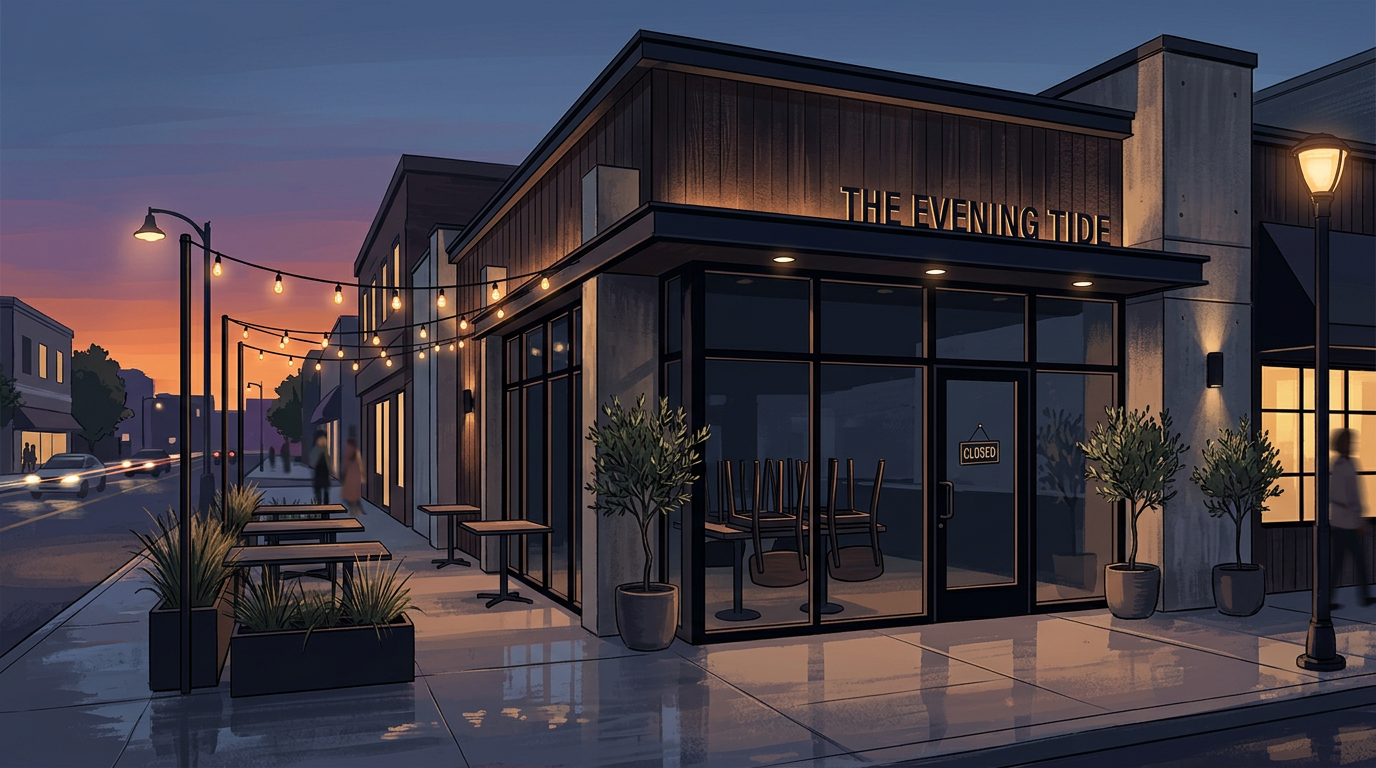
The restaurant industry has faced significant financial pressure in 2026, with rising food costs, labor shortages, and shifting consumer habits taking a toll. As a result, several well-known chains and franchise groups have filed for bankruptcy or entered restructuring.
While bankruptcy doesn’t always mean a company will disappear, it often signals major changes—like store closures, menu overhauls, or ownership shifts. Here’s a look at some of the most notable restaurant brands and groups that have filed for bankruptcy so far in 2026.
FAT Brands: A Major Industry Shock
One of the biggest filings came from FAT Brands, a parent company that owns multiple restaurant chains including Fatburger and Johnny Rockets. The company filed for Chapter 11 bankruptcy in early 2026 while carrying over $1 billion in debt.
Despite the filing, many of its restaurants remain open as the company restructures. However, the bankruptcy has already led to selective closures across some of its brands, showing how even large restaurant groups aren’t immune to financial strain.
Twin Peaks: Spinoff Also Files
A related filing came from Twin Peaks, a sports bar chain connected to FAT Brands through a corporate restructuring. The chain also entered Chapter 11 as part of the broader financial troubles affecting its parent company.
While Twin Peaks continues to operate many locations, the bankruptcy highlights how interconnected restaurant brands can be—when one company struggles, its subsidiaries often follow.
Fiorella: Repeated Financial Trouble
The San Francisco-based pizza chain Fiorella filed for Chapter 11 bankruptcy again in March 2026—marking its fourth filing within a year.
This repeated restructuring shows how difficult it can be for smaller restaurant groups to recover in a challenging economic environment. Even with loyal customers and strong branding, rising costs and operational challenges can make long-term stability difficult.
Salt and Lime: Regional Chain Struggles
Salt and Lime, a smaller Mexican restaurant chain, filed for Chapter 11 bankruptcy in February 2026.
Regional chains like this are particularly vulnerable because they lack the scale and financial cushion of larger national brands. A few underperforming locations or rising expenses can quickly lead to serious financial trouble.
Carl’s Jr. Franchise Operators: Not Just the Big Brands
While the Carl’s Jr. brand itself hasn’t filed for bankruptcy, one of its largest franchise operators did. A company running dozens of locations filed for Chapter 11 in 2026, putting more than 60 restaurants at risk.
This highlights an important trend: many restaurant bankruptcies are happening at the franchise level rather than the corporate level. Individual operators are struggling to keep up with rising costs, even when the overall brand remains stable.
Farmer Boys Franchise Group: Expansion Gone Wrong
Another example is a franchise group operating Farmer Boys locations, which filed for bankruptcy after taking on high-interest loans to expand.
When growth is financed through heavy borrowing, even a small dip in sales can create major financial problems—something many franchisees are experiencing in 2026.
Why So Many Restaurants Are Filing for Bankruptcy
The surge in bankruptcies isn’t happening in isolation. Restaurants are dealing with a combination of rising ingredient costs, higher wages, and reduced customer spending. Many chains expanded aggressively in previous years, leaving them vulnerable when economic conditions tightened.
At the same time, consumers are becoming more selective, often choosing fewer dining-out experiences or opting for cheaper alternatives. This shift has made it harder for restaurants—especially mid-tier chains—to stay profitable.
Conclusion: A Changing Dining Landscape
Bankruptcy filings from companies like FAT Brands, Twin Peaks, Fiorella, and various franchise groups show how challenging 2026 has been for the restaurant industry. While many of these businesses will continue operating in some form, the landscape is clearly shifting.
For diners, this may mean fewer locations, changing menus, or the disappearance of familiar names. For the industry, it’s a period of adjustment—one that will likely reshape how and where people eat in the years ahead.


Leave a Reply