
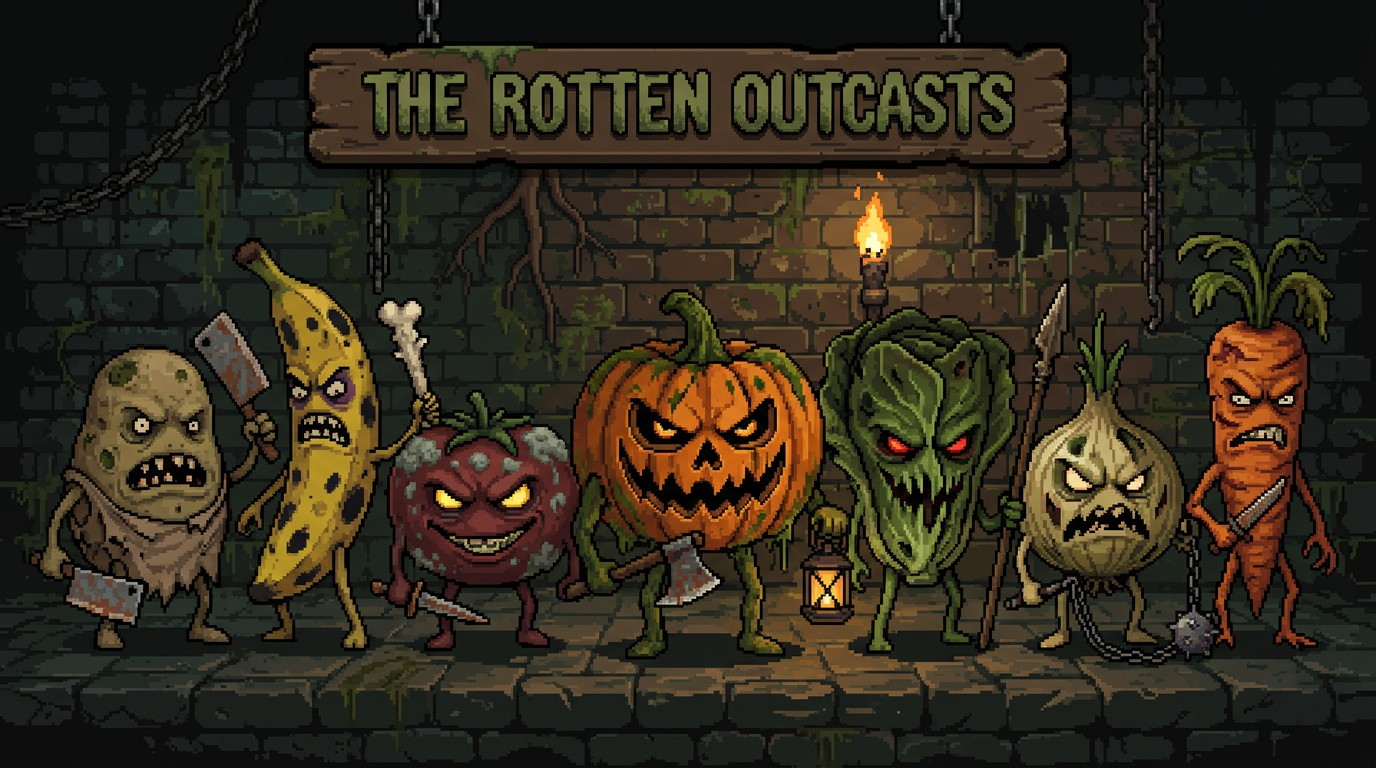
Vegetables are typically associated with health and nutrition, and for good reason—they’re packed with fiber, vitamins, and antioxidants. However, not all vegetables are created equal. Some are less beneficial when eaten in large quantities, poorly prepared, or processed. In certain cases, vegetables can contain compounds that may cause digestive issues or interfere with nutrient absorption. Here’s a closer look at some of the vegetables that could be less healthy than you think, depending on how they’re consumed.
White Potatoes (When Fried or Processed)
White potatoes in their natural form are a good source of potassium, fiber, and vitamin C. However, when they’re fried into French fries or processed into chips, they become one of the least healthy ways to eat a vegetable. Fried potatoes are high in saturated fats, trans fats, and sodium, and they’re often cooked in oils that may promote inflammation when consumed in excess.
Additionally, these starchy vegetables have a high glycemic index, which means they can cause spikes in blood sugar levels. Regular consumption of processed potato products has been linked to increased risks of obesity, diabetes, and heart disease.
Canned Vegetables with Added Sodium
While canned vegetables can be convenient, many are loaded with salt and preservatives. Green beans, peas, and corn from a can often contain hundreds of milligrams of sodium per serving, which can add up quickly, especially for those monitoring their blood pressure.
The nutritional value of canned vegetables can also be reduced during the preservation process. Overcooking during canning may destroy some heat-sensitive nutrients like vitamin C and certain B vitamins. Always check labels and choose “low sodium” or “no salt added” varieties when possible.
Corn (Especially When Overconsumed or Refined)
Corn is a vegetable that’s high in carbohydrates and low in essential nutrients compared to leafy greens or cruciferous veggies. While eating corn in its whole form (like grilled corn on the cob) can be part of a balanced diet, it’s often consumed in less healthy forms such as corn syrup, corn chips, or popcorn loaded with butter and salt.
Overconsumption of corn in these forms may contribute to blood sugar imbalances and excess calorie intake. Furthermore, much of the corn grown in the U.S. is genetically modified and heavily sprayed with pesticides, raising concerns for some consumers.
Iceberg Lettuce
Iceberg lettuce is commonly used in salads and sandwiches, but it’s one of the least nutritious leafy greens. It contains high amounts of water and very low levels of fiber, vitamins, and minerals. Compared to spinach, kale, or romaine, iceberg lettuce adds minimal nutritional value to your plate.
While it’s not harmful in moderation, relying on iceberg lettuce as your main vegetable means you’re missing out on the rich nutrient profiles of darker, leafy greens.
Vegetables Cooked in Unhealthy Fats
Even the healthiest vegetables can become poor dietary choices when prepared the wrong way. Sautéing broccoli or zucchini in excessive butter, margarine, or processed oils can turn them into calorie-heavy, fat-laden sides. Deep-frying vegetables like onion rings, tempura carrots, or breaded zucchini strips adds unnecessary saturated fat and reduces their overall nutritional quality.



Leave a Reply