
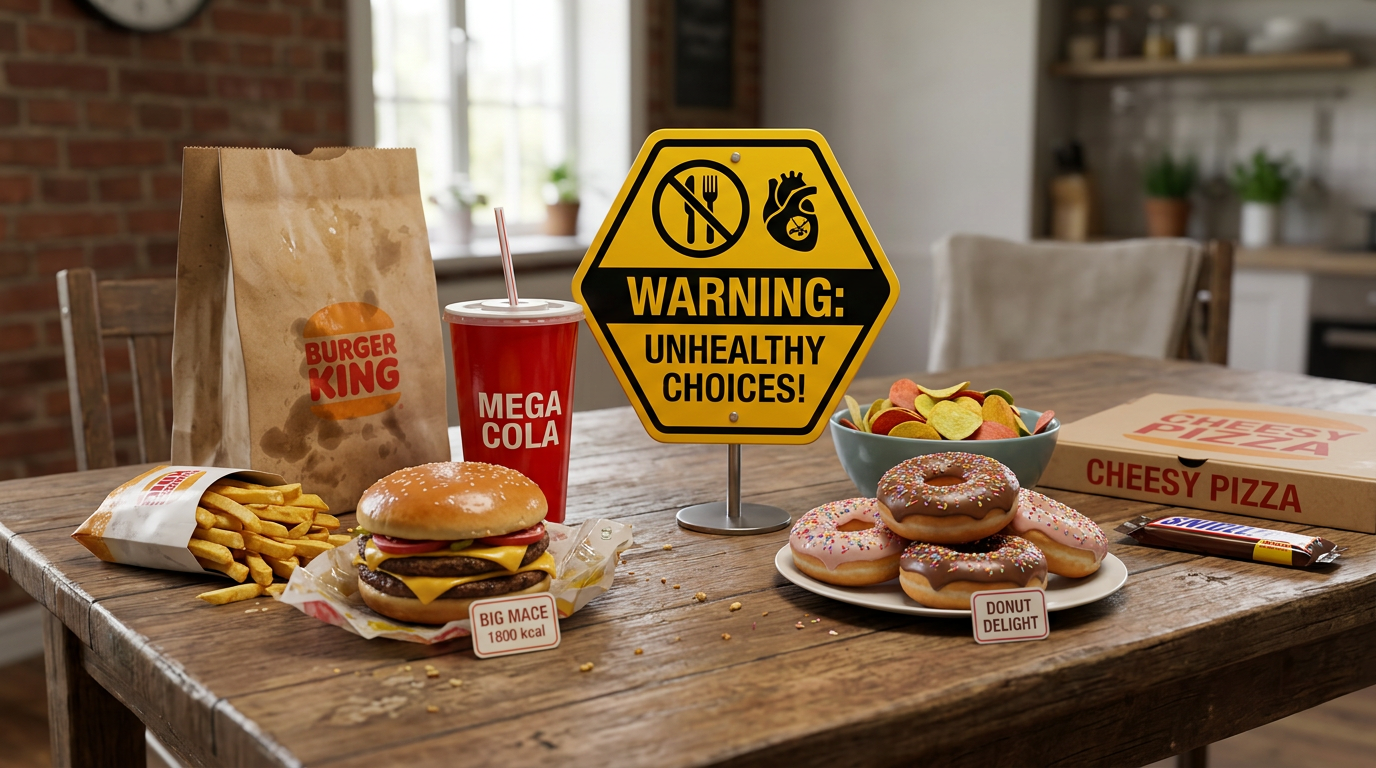
As we get older, our bodies become more sensitive to certain ingredients, and maintaining a balanced diet becomes increasingly important. For seniors, eating the wrong kinds of food can contribute to chronic illnesses, poor bone health, memory problems, and more. While moderation is key, some foods are best avoided entirely due to their negative health impacts.
Processed Meats
Processed meats like bacon, sausage, hot dogs, and deli meats are loaded with sodium, preservatives, and unhealthy fats. These ingredients can raise blood pressure and increase the risk of heart disease—both of which are already concerns for many seniors. Additionally, the nitrates and nitrites used in processing have been linked to inflammation and other age-related health problems.
Fried Foods
Crispy, fried favorites like fried chicken, onion rings, and French fries may be satisfying, but they’re full of trans fats and empty calories. These fats can lead to clogged arteries, weight gain, and increased cholesterol levels. For seniors already managing cardiovascular concerns, regular consumption of fried foods can make conditions worse and even reduce mobility over time.
Sugary Desserts
Seniors with diabetes or insulin sensitivity should be especially cautious with cakes, cookies, pastries, and candy. These high-sugar treats cause blood sugar spikes and crashes, increasing the risk of type 2 diabetes and cognitive decline. Overconsumption can also lead to weight gain and inflammation, which affects joint and bone health.
White Bread and Refined Carbs
White bread, pasta, and rice made from refined flour provide little nutritional value. They lack fiber and cause blood sugar levels to rise quickly, which can affect energy, focus, and overall metabolism. Diets heavy in refined carbs may also worsen memory and increase the risk of developing Alzheimer’s disease over time.
High-Sodium Canned Soups and Frozen Meals
Canned soups and frozen dinners are often staples for convenience—but many are loaded with excessive sodium and artificial additives. High sodium intake is directly tied to hypertension, kidney strain, and increased risk of stroke. Seniors with high blood pressure should look for low-sodium or fresh alternatives whenever possible.
Sodas and Sugary Beverages
Soft drinks, sweetened iced teas, and energy drinks provide lots of sugar with zero nutritional value. For older adults, these drinks can lead to dehydration, weight gain, and blood sugar imbalances. The acidity in sodas can also erode tooth enamel, contributing to dental issues that are already more common with age.
Alcohol in Excess
While moderate alcohol intake might be safe for some seniors, excessive drinking can interact dangerously with medications, impair judgment, and increase the risk of falls. Alcohol can also strain the liver and reduce cognitive clarity, especially in older adults with pre-existing conditions.


Leave a Reply