
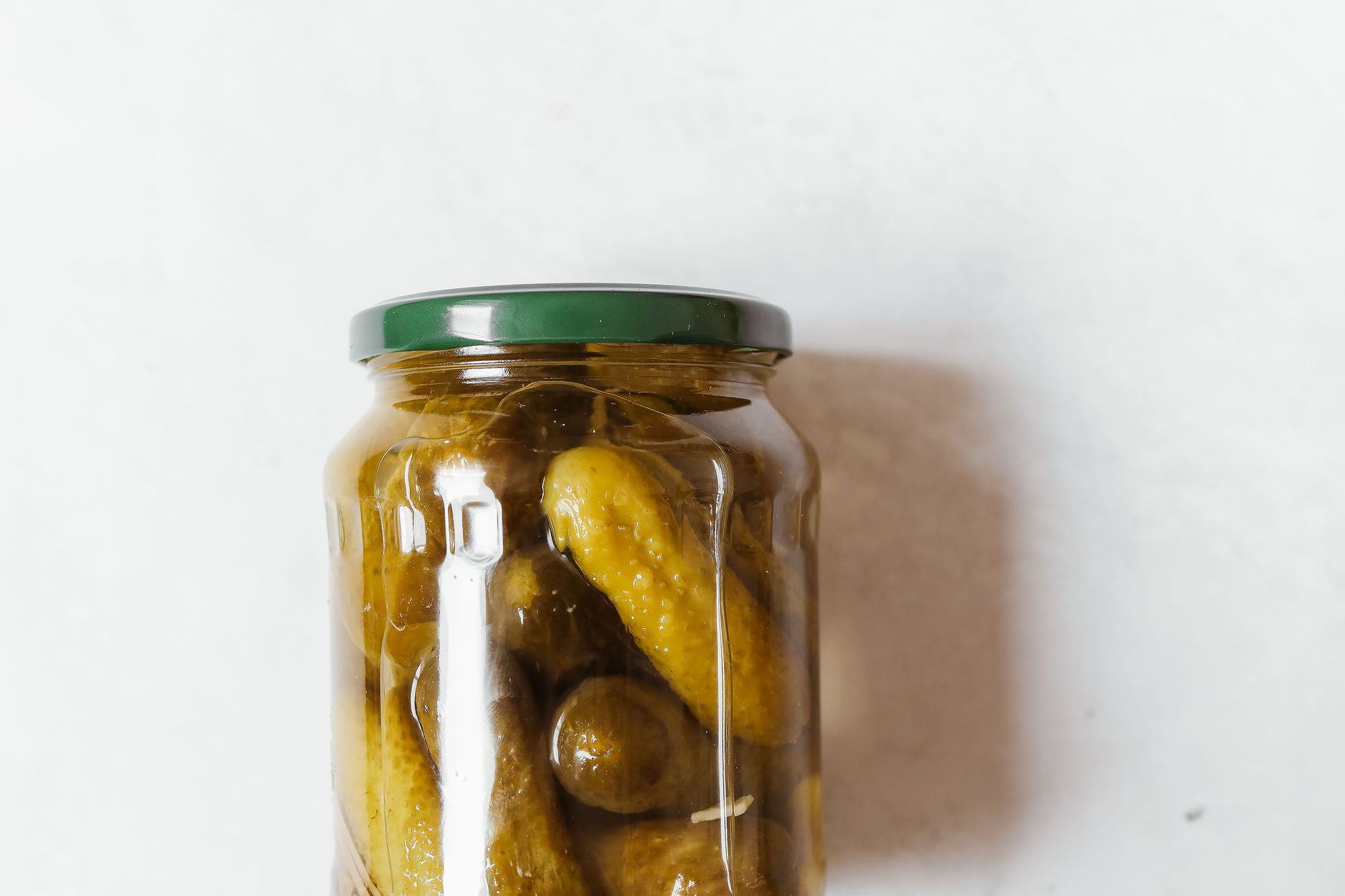
The liquid left behind in a jar of pickled foods might look like something destined for the drain, but it can be an excellent shortcut for homemade salad dressing. Brines are already packed with acidity, salt, herbs, spices, and other flavors that can give a simple vinaigrette considerably more personality.
Instead of reaching for plain vinegar every time you make a salad, consider experimenting with leftover brines. Different varieties can create completely different dressings, from zesty and garlicky to spicy and slightly sweet. These five are particularly useful starting points.
Dill Pickle Brine
Dill pickle brine is arguably one of the easiest brines to turn into salad dressing. Its combination of vinegar, dill, garlic, and salt creates a bold flavor that works especially well with crunchy vegetables.
For a simple dressing, combine dill pickle brine with olive oil and Dijon mustard. A small spoonful of honey can provide sweetness to balance the vinegar’s sharpness. Freshly ground black pepper can add another layer of flavor.
This dressing works beautifully on potato salads, green salads, coleslaw, and salads containing cucumbers and tomatoes. It can also add extra zing to a salad made with leftover roasted vegetables.
Olive Brine
The salty liquid surrounding green or black olives makes an excellent base for a savory Mediterranean-style dressing. Olive brine typically has a more intense salty and savory character than many vegetable-pickle brines.
Try whisking olive brine with extra-virgin olive oil, lemon juice, oregano, and a little garlic. The result pairs naturally with tomatoes, cucumbers, feta cheese, chickpeas, and leafy greens.
Because olive brine can already contain substantial salt, it’s best to taste the finished dressing before adding additional seasoning. You can always add more salt, but you can’t easily remove it.
Pepperoncini Brine
Pepperoncini brine is a particularly good choice for people who enjoy tangy, slightly spicy flavors. The liquid has enough acidity to make a lively vinaigrette while adding the distinctive flavor of pickled peppers.
Combine it with olive oil, Dijon mustard, garlic, and a small amount of honey. The sweetness helps round out the acidity and gives the dressing a more balanced flavor.
Pepperoncini-brine dressing is especially good on salads containing grilled chicken, roasted vegetables, red onions, tomatoes, or Italian-style ingredients. It can also work as a flavorful dressing for a simple pasta salad.
Pickled Jalapeño Brine
If you’re looking for a salad dressing with some heat, pickled jalapeño brine can provide it without requiring fresh peppers. The brine carries both the pepper’s flavor and the acidity of the pickling liquid.
A simple version combines jalapeño brine with neutral oil or olive oil, lime juice, honey, and a little cumin. You can adjust the amount of brine depending on how intense you want the finished dressing.
This combination works particularly well with salads containing black beans, corn, avocado, tomatoes, shredded lettuce, or grilled chicken. It can even turn a basic bowl of greens into a southwestern-inspired salad.
Pickled Beet Brine
Pickled beet brine brings something different to homemade salad dressing: a naturally vibrant color and a sweet-tart flavor. It’s particularly useful when you want a vinaigrette that looks as interesting as it tastes.
Mix beet brine with olive oil, Dijon mustard, and a small amount of honey. The dressing works well with bitter greens such as arugula and can complement ingredients including goat cheese, walnuts, apples, and roasted vegetables.
A few basic tips can help when experimenting with brine-based dressings:
- Taste the brine before adding extra salt.
- Balance acidic brines with enough oil.
- Add a little sweetness when the dressing tastes too sharp.
- Shake or whisk thoroughly before serving.
- Keep homemade dressings refrigerated.
Conclusion
Leftover brine can be a surprisingly versatile ingredient for homemade salad dressing. Dill pickle, olive, pepperoncini, jalapeño, and beet brines each offer a distinct combination of acidity and seasoning. Rather than throwing that flavorful liquid away, save it for your next vinaigrette and experiment with different oils, herbs, spices, and sweeteners. A little creativity can turn an overlooked pantry leftover into the star of your next salad.



Leave a Reply