
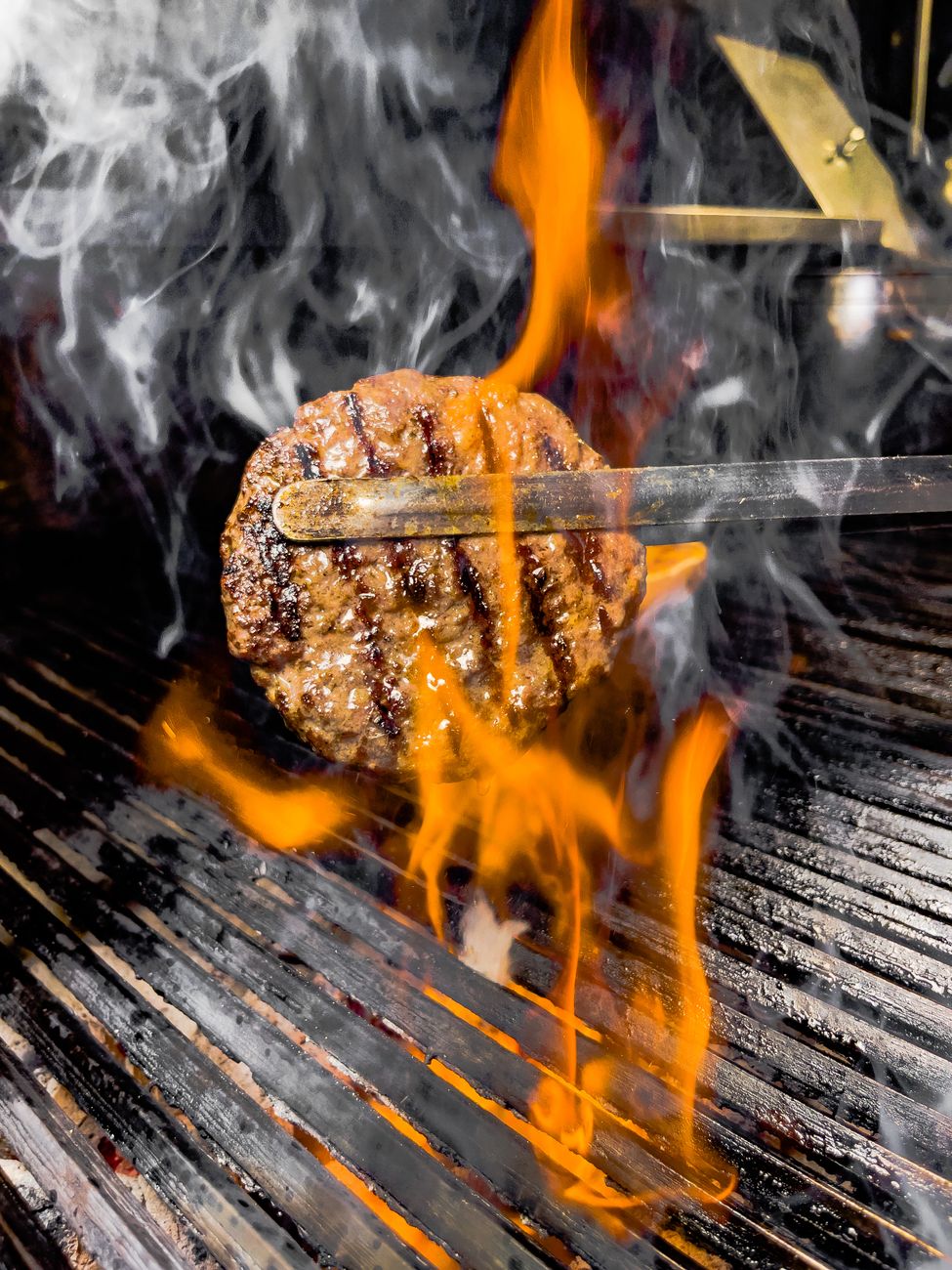
Many diners assume that every sit-down restaurant serves burgers made from fresh, never-frozen beef. In reality, some casual dining chains have used frozen beef patties for at least part of their burger menu or in certain locations. Frozen patties can offer advantages such as consistent portion sizes, reduced food waste, and easier inventory management.
It’s also important to note that restaurant sourcing practices can change over time and may vary by location. Here are seven sit-down restaurant chains that have used frozen burger patties on at least some of their menus.
Applebee’s
Applebee’s has served millions of burgers over the years, and various locations have relied on frozen beef patties to ensure consistency across the chain.
Using frozen patties helps restaurants maintain uniform size and cooking performance while simplifying kitchen operations during busy meal periods. Customers generally appreciate the burgers for their toppings and value rather than whether the beef arrived fresh or frozen.
The chain has periodically updated its burger lineup, but frozen beef has been part of its supply system in numerous markets.
Chili’s Grill & Bar
Chili’s is known for burgers like the Oldtimer and the Bacon Rancher, and some locations have historically prepared them using frozen patties supplied through the company’s distribution network.
The approach allows restaurants to maintain consistent quality from one location to another while minimizing waste. Frozen patties are portioned before shipment, helping kitchens produce burgers with predictable cooking times.
Restaurant suppliers occasionally change, so practices can vary over time.
TGI Fridays
TGI Fridays has offered a wide variety of specialty burgers throughout its history, and frozen beef patties have been part of the chain’s operations in some restaurants.
The company focuses on consistency across its menu, making frozen products a practical choice in many kitchens. Customers are often more likely to notice toppings, sauces, and buns than whether the beef was previously frozen.
As with many national chains, sourcing methods may differ by region.
Ruby Tuesday
Ruby Tuesday has built much of its menu around burgers, sandwiches, and its well-known salad bar.
Over the years, reports from former employees and food industry sources have indicated that some locations have used frozen burger patties rather than preparing fresh ground beef in-house. Frozen patties help ensure uniformity while reducing labor requirements.
Individual franchise practices may vary depending on supply arrangements.
Friendly’s
Friendly’s has long combined ice cream with a menu of classic American comfort food, including burgers.
Many locations have historically relied on frozen beef patties as part of their standard kitchen operations. This approach supports consistency across restaurants while allowing kitchens to prepare food quickly during busy periods.
Despite using frozen patties, Friendly’s burgers remain popular with families looking for affordable meals.
Denny’s
Denny’s serves burgers around the clock, making inventory consistency especially important.
Some Denny’s restaurants have used frozen burger patties supplied through national distributors. Frozen beef provides dependable quality while allowing locations to serve identical menu items regardless of the time of day.
Combined with signature toppings and toasted buns, the burgers remain a dependable menu option for many customers.
IHOP
Although best known for pancakes, IHOP also serves a selection of burgers and sandwiches.
Various locations have utilized frozen beef patties to simplify food preparation and maintain consistent portion sizes. Since the chain’s primary focus isn’t burgers, using frozen patties helps streamline kitchen operations while still delivering familiar flavors.
Menu updates and supplier changes mean preparation methods can evolve over time.
Why Restaurants Choose Frozen Burger Patties
Frozen burgers aren’t necessarily lower quality than fresh burgers. Many restaurant chains choose them for practical operational reasons rather than cost alone.
Common advantages include:
- Consistent patty size and weight.
- Reduced food waste.
- Longer freezer storage life.
- Faster kitchen preparation.
- Uniform cooking across locations.
Ultimately, a delicious burger depends on much more than whether the patty was fresh or frozen. Quality beef, proper cooking, fresh toppings, and a well-made bun all contribute to the final product. While some diners prefer never-frozen beef, many sit-down restaurants continue to rely on frozen patties to deliver dependable meals to guests every day.



Leave a Reply