
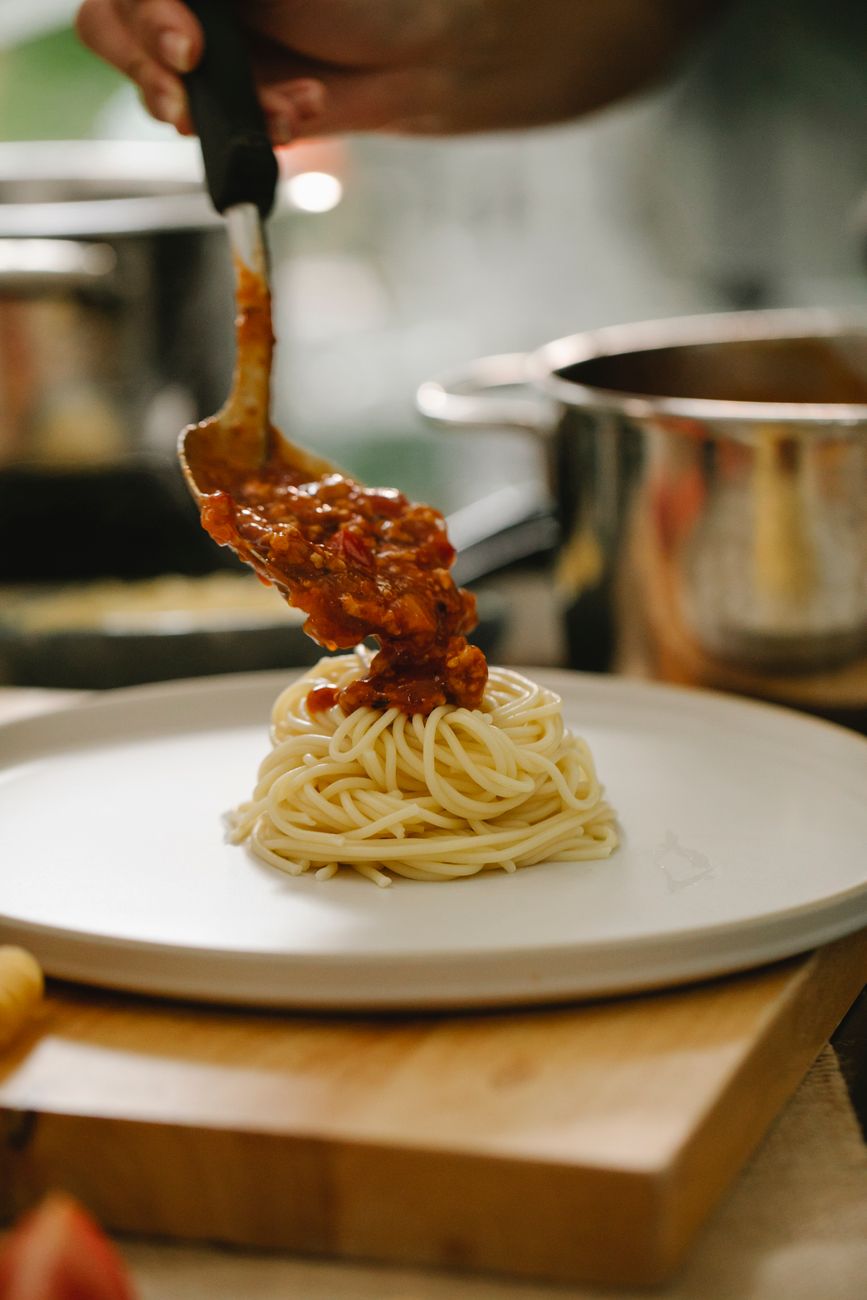
A jar of spaghetti sauce can be a convenient shortcut for busy weeknight dinners, but not every option is equally heart-friendly. While no commercially available pasta sauce has been proven to directly cause heart attacks, some varieties are high in sodium, saturated fat, or added sugar—nutrients that, when consumed regularly as part of an overall unhealthy diet, are associated with an increased risk of high blood pressure, elevated cholesterol, and cardiovascular disease.
If you’re shopping for a healthier pasta sauce, it’s worth reading the Nutrition Facts label. Here are six popular spaghetti sauces that are among the less heart-friendly choices because of their nutritional profiles.
Ragu Double Cheddar Cheese Sauce
Ragu’s Double Cheddar Cheese Sauce is rich and creamy, but that richness comes with higher levels of saturated fat than traditional tomato-based pasta sauces.
Cheese-based sauces are often significantly higher in saturated fat, which can contribute to elevated LDL (“bad”) cholesterol when eaten in excess. Combined with generous serving sizes, this can make the sauce a less ideal everyday choice for people watching their heart health.
Enjoying it occasionally alongside a balanced diet is generally a better approach than making it a regular staple.
Prego Alfredo Sauce
Prego Alfredo Sauce delivers a creamy texture thanks to ingredients like cream, butter, and cheese.
These ingredients also increase the sauce’s saturated fat content compared to classic marinara. For individuals already managing cholesterol or cardiovascular concerns, frequent consumption of rich Alfredo sauces may make it more difficult to stay within recommended dietary guidelines.
Pairing smaller portions with vegetables and lean proteins can help create a more balanced meal.
Bertolli Creamy Basil Alfredo
Bertolli’s Creamy Basil Alfredo combines herbs with a rich dairy base that is naturally higher in saturated fat.
Although the basil adds fresh flavor, it doesn’t offset the nutritional impact of the cream and cheese. Consumers who regularly eat creamy pasta dishes may unknowingly consume a substantial portion of their recommended daily saturated fat in a single meal.
Alternating creamy sauces with tomato-based options can help reduce overall intake.
Newman’s Own Four Cheese Alfredo
Newman’s Own Four Cheese Alfredo features a blend of multiple cheeses, creating a rich and indulgent flavor.
However, the combination also increases saturated fat and sodium compared to many traditional tomato sauces. Diets consistently high in these nutrients have been associated with an increased risk of cardiovascular disease over time.
Moderation remains the key when enjoying richer pasta dishes.
Classico Four Cheese Alfredo
Classico’s Four Cheese Alfredo is another creamy sauce that delivers plenty of flavor through cheese and dairy ingredients.
While delicious, it tends to contain considerably more saturated fat than marinara or tomato basil sauces. People following heart-conscious eating plans often reserve sauces like this for occasional meals rather than weekly use.
Adding steamed vegetables to the dish can improve its overall nutritional balance.
Prego Meat Flavored Pasta Sauce
Unlike the Alfredo sauces on this list, Prego Meat Flavored Pasta Sauce is tomato-based but can still be relatively high in sodium.
Excess sodium intake has been linked to high blood pressure, a major risk factor for heart attacks and strokes. While one serving may fit into a healthy diet, multiple servings alongside garlic bread, processed meats, or salty side dishes can quickly increase daily sodium consumption.
Choosing lower-sodium versions when available is a simple way to reduce intake.
Tips For Choosing A More Heart-Friendly Pasta Sauce
Not all pasta sauces are created equal. Comparing labels can help you identify products that better support long-term heart health.
When shopping, consider these tips:
- Look for sauces with lower sodium per serving.
- Choose tomato-based sauces more often than cream-based varieties.
- Limit sauces high in saturated fat.
- Watch serving sizes, especially with rich Alfredo sauces.
- Add vegetables to increase fiber and nutrients.
Pasta can absolutely be part of a heart-conscious eating pattern. By selecting sauces lower in sodium and saturated fat, controlling portions, and pairing meals with vegetables and lean proteins, you can enjoy your favorite spaghetti dishes while supporting overall cardiovascular health.




Leave a Reply