
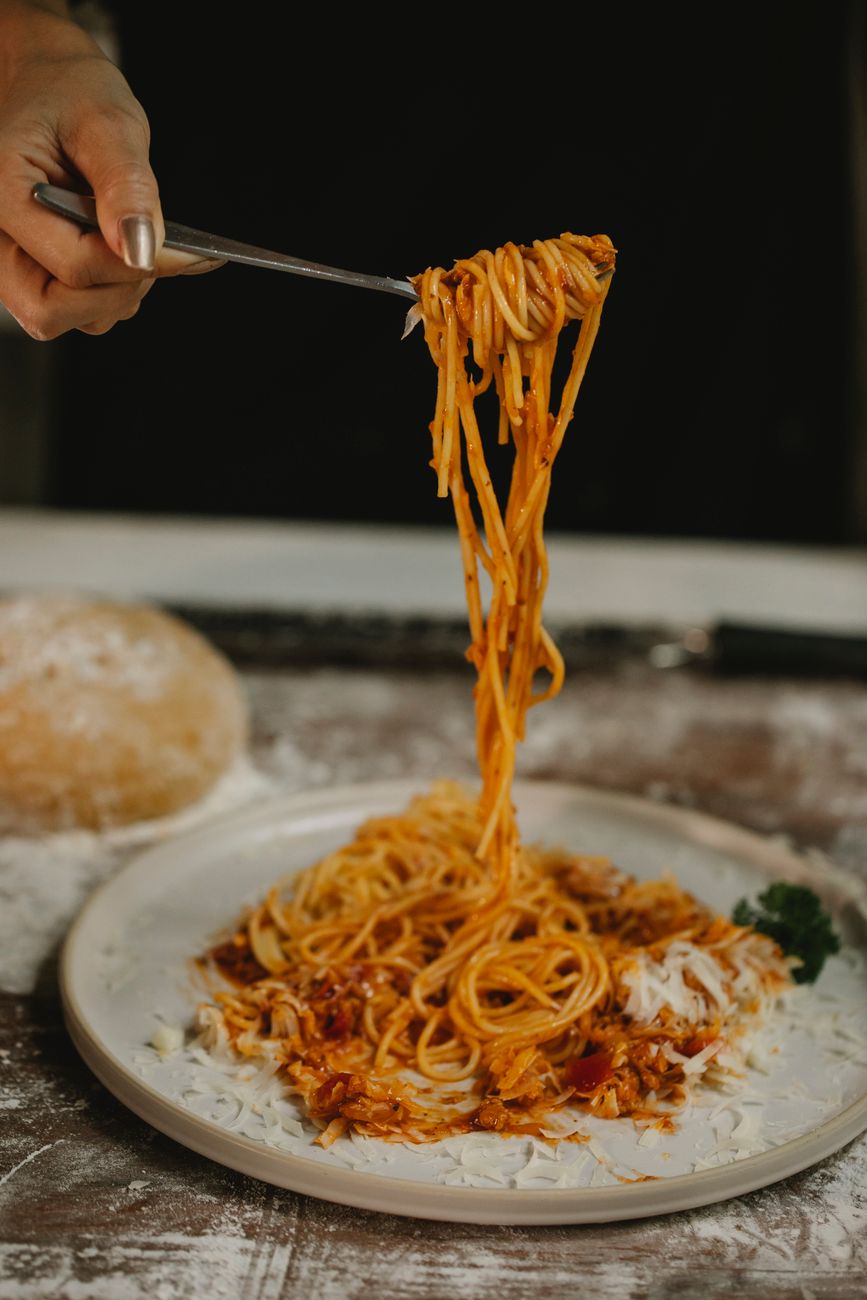
There’s something incredibly satisfying about making pasta from scratch. Whether you’re crafting silky fettuccine, delicate ravioli, or hearty pappardelle, homemade pasta delivers a texture and flavor that’s hard to match with boxed varieties. The process may seem intimidating at first, but a few simple techniques can dramatically improve your results.
The good news is that you don’t need professional equipment or years of experience. With quality ingredients and a little patience, you’ll be serving restaurant-worthy pasta right from your own kitchen.
Use “00” Flour Whenever Possible
The flour you choose has a major impact on the finished pasta.
Italian “00” flour is finely milled, creating a smooth, silky dough that’s easy to roll and produces tender noodles. While all-purpose flour works well too, “00” flour often gives homemade pasta a more authentic texture.
Many cooks also blend “00” flour with semolina flour for added structure.
Let The Dough Rest
One of the biggest mistakes beginners make is skipping the resting period.
After kneading, wrap the dough tightly and let it rest for at least 30 minutes. This allows the gluten to relax, making the dough much easier to roll without constantly shrinking back.
A well-rested dough is smoother, more flexible, and far easier to work with.
Knead Until Smooth
Good pasta starts with proper kneading.
Work the dough for roughly 8 to 10 minutes until it feels smooth and elastic. If it’s too sticky, sprinkle in a little more flour. If it’s too dry, lightly dampen your hands while kneading.
Taking the time to develop the dough properly pays off later.
Roll It Thin
Many first-time pasta makers leave their dough too thick.
Fresh pasta cooks quickly, so rolling it thin creates a lighter, more delicate texture. If you’re using a pasta machine, gradually work through each thinner setting rather than skipping several levels at once.
The dough should almost become translucent before cutting.
Keep these essentials in mind every time you make fresh pasta:
- Use high-quality flour.
- Rest the dough before rolling.
- Knead thoroughly.
- Roll evenly.
- Salt the cooking water generously.
These simple habits make a noticeable difference.
Salt The Cooking Water Well
Fresh pasta contains relatively little seasoning.
Generously salting the cooking water is your best opportunity to add flavor. The water should taste pleasantly salty before the pasta goes in.
Since fresh pasta cooks in just a few minutes, seasoning the water is especially important.
Avoid Overcooking
Unlike dried pasta, fresh noodles cook very quickly.
Most homemade pasta is ready in just two to four minutes, depending on its thickness. Begin checking for doneness early to avoid mushy noodles.
The goal is tender pasta that still has a slight bite.
Finish Pasta In The Sauce
One professional trick is finishing the pasta directly in the sauce.
Transfer the freshly cooked pasta into your simmering sauce along with a splash of reserved pasta water. The starch helps the sauce cling to every strand while creating a silky consistency.
This final step ties all the flavors together beautifully.
Practice Makes Perfect
Every batch teaches you something new.
Humidity, flour brands, egg sizes, and kneading time all influence the dough. Don’t worry if your first attempt isn’t perfect. Even slightly imperfect homemade pasta often tastes better than store-bought versions.
With practice, you’ll quickly gain confidence and consistency.
Conclusion
Making exceptional homemade pasta isn’t about expensive equipment—it’s about mastering a handful of simple techniques. Choosing quality flour, resting and kneading the dough properly, rolling it thin, seasoning the cooking water, avoiding overcooking, and finishing the noodles in the sauce will help you create fresh pasta that’s flavorful, tender, and worthy of any Italian dinner table.




Leave a Reply