
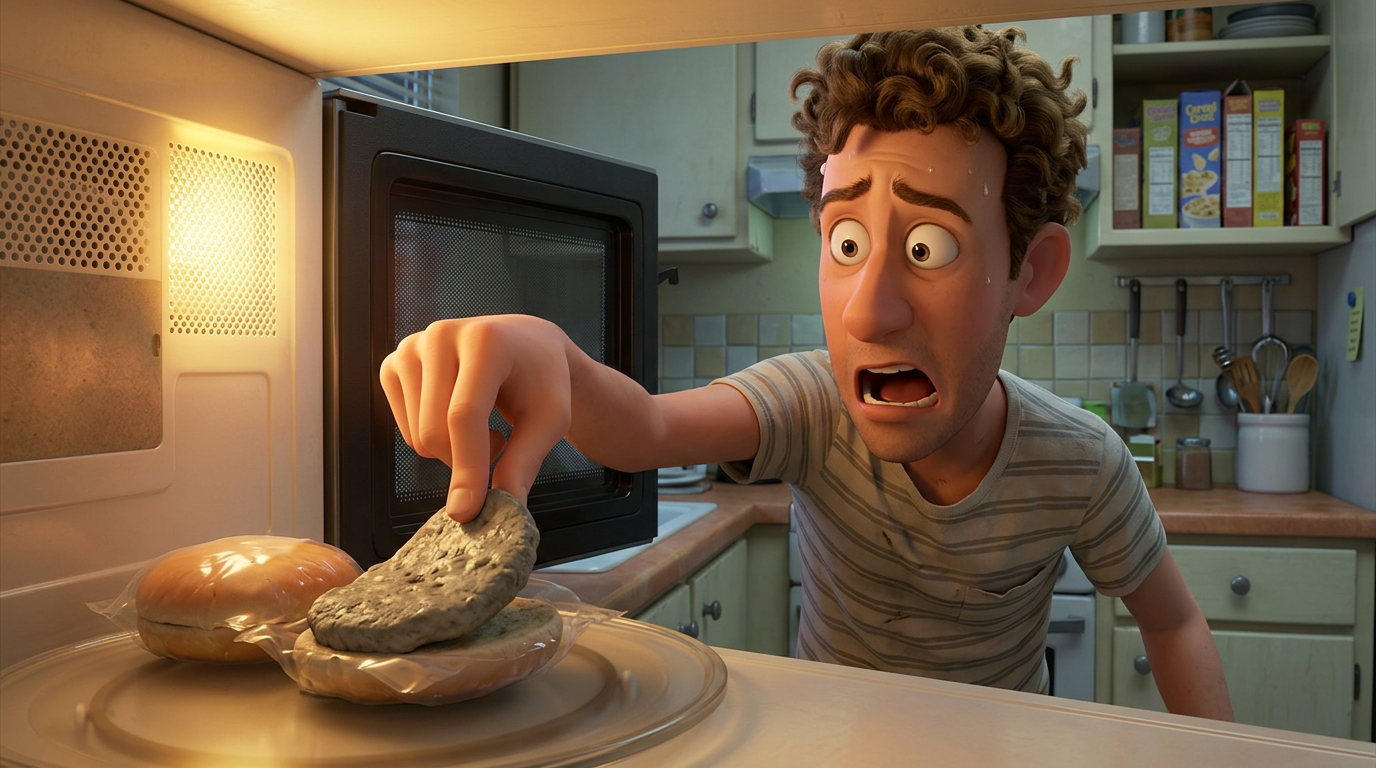
Leftover fast food is a fact of life. Whether you ordered too much at the drive-thru or intentionally saved some for the next day, reheating leftovers can be a great way to avoid food waste. However, not every menu item responds well to the microwave. Some foods become soggy, rubbery, or lose the very textures that made them enjoyable in the first place.
If you want your leftovers to taste almost as good as they did fresh, it’s worth choosing the right reheating method. Here are seven fast foods that are better off in the oven, air fryer, or skillet instead of the microwave.
French Fries
French fries are perhaps the biggest microwave disappointment.
The microwave traps steam inside the fries, leaving them limp and chewy instead of crisp. Even a minute or two can completely change their texture.
An air fryer or a hot oven does a much better job of restoring their crispy exterior.
Fried Chicken
The crispy coating is what makes fried chicken so satisfying.
Microwaving softens the breading while making the meat release moisture, resulting in a soggy crust. Although the chicken may still be safe to eat if reheated properly, the texture changes dramatically.
Reheating it in the oven helps keep the coating much crispier.
Onion Rings
Onion rings suffer from the same problem as fries.
Their crunchy breading quickly absorbs steam in the microwave, leaving the coating soft while the onion inside becomes overly tender.
A few minutes in an air fryer can restore much of their original crunch.
Breaded Fish Sandwiches
Breaded fish doesn’t respond well to microwave reheating.
The breading loses its crispness, while the fish itself can become overly soft or rubbery if heated too long. The bun also tends to become damp from trapped moisture.
Separating the sandwich before reheating often produces better results.
For crispier leftovers, consider using:
- An air fryer
- A conventional oven
- A toaster oven
- A skillet for certain items
- Lower reheating temperatures for longer times
These methods usually preserve texture much better than a microwave.
Burgers With Lettuce And Tomatoes
A cheeseburger may seem microwave-friendly, but fresh toppings complicate things.
Lettuce wilts almost immediately, tomatoes become mushy, and the bun often turns soft from condensation. Meanwhile, the beef patty may heat unevenly.
Removing the fresh toppings before reheating improves the final result considerably.
Pizza
Although many people microwave leftover pizza, it’s rarely the best choice.
The crust often becomes soft and chewy instead of crisp, while the cheese may separate or become overly oily. Microwaves also tend to heat slices unevenly.
A skillet or oven can restore much of the pizza’s original texture.
Mozzarella Sticks
Fresh mozzarella sticks are known for their crispy coating and stretchy cheese.
In the microwave, the breading softens almost immediately, while the cheese can overheat and leak out before the exterior has warmed evenly.
Using an oven or air fryer helps maintain both the crispy shell and gooey center.
Why Texture Matters
Taste is only part of the eating experience.
Crunchy coatings, crisp fries, and toasted buns all contribute to how satisfying fast food feels. The microwave excels at heating food quickly, but it often sacrifices those important textures.
Choosing a slower reheating method usually produces much better leftovers.
Store Leftovers Properly
Good reheating starts with proper storage.
Refrigerate leftovers within two hours of purchase, store them in airtight containers, and consume them within a few days. Proper storage helps preserve both quality and food safety before reheating.
Fresh leftovers almost always reheat better than older ones.
Conclusion
French fries, fried chicken, onion rings, breaded fish sandwiches, burgers with fresh toppings, pizza, and mozzarella sticks all lose much of their appeal when microwaved. Taking a few extra minutes to use an oven, skillet, or air fryer can dramatically improve the texture and flavor of your favorite fast food leftovers.



Leave a Reply