
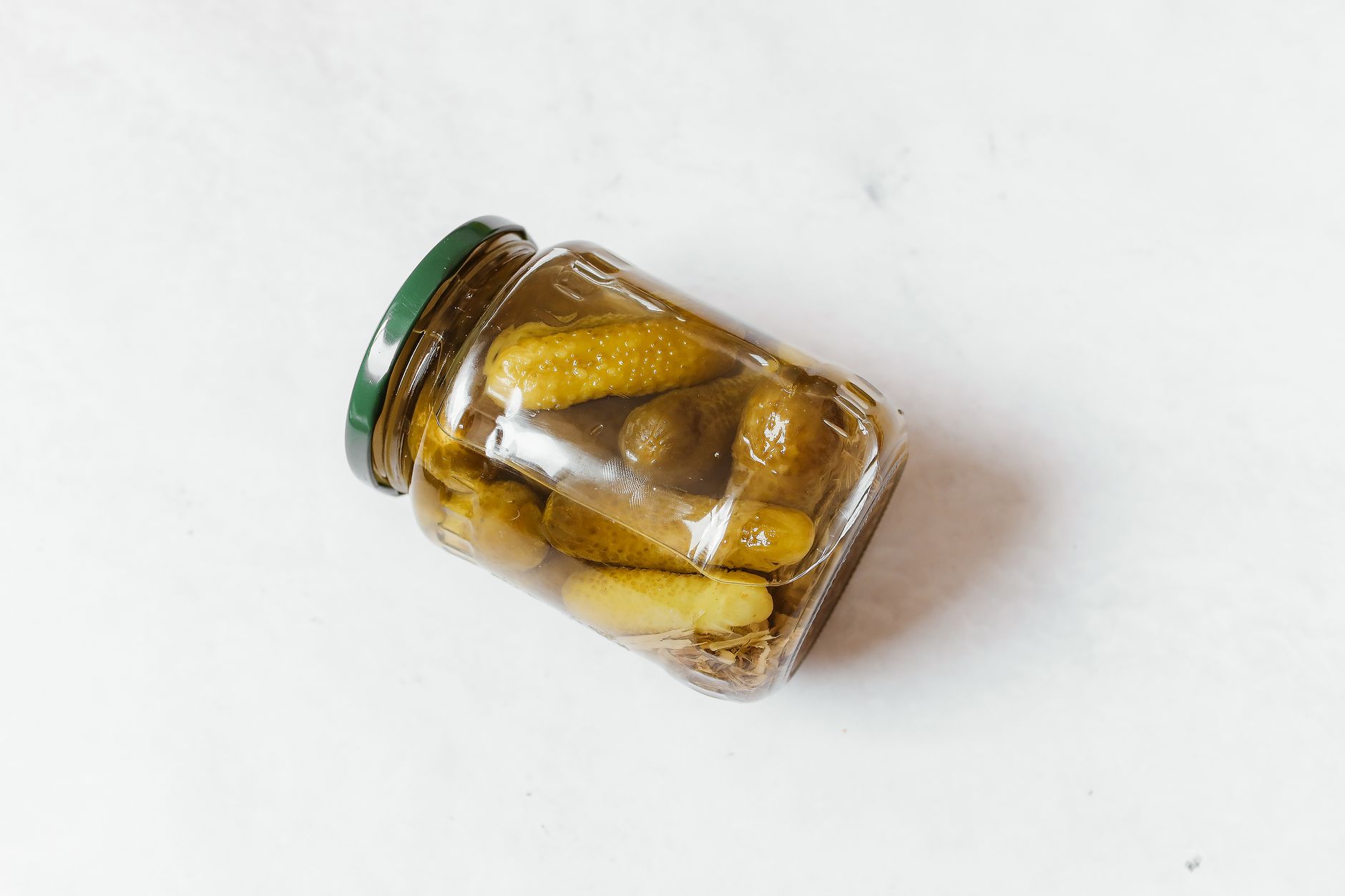
When the last pickle disappears from the jar, most people pour the leftover brine down the drain without a second thought. That’s a missed opportunity. Pickle brine is packed with vinegar, salt, herbs, and spices that can add tangy flavor to all kinds of dishes. Instead of wasting it, consider giving that flavorful liquid a second life.
From crispy fried foods to juicy meats, leftover pickle juice can become a secret ingredient in your kitchen. Here are six delicious ways to put it to good use.
Fried Chicken Marinade
One of the most popular uses for pickle brine is marinating chicken.
The vinegar helps tenderize the meat while the salt and seasonings penetrate deep into the chicken. After several hours in the brine, the chicken develops a subtle tang that pairs perfectly with a crispy coating.
Many home cooks swear by this technique for making extra-juicy fried chicken.
Potato Salad
A splash of pickle brine can transform homemade potato salad.
Instead of relying solely on mayonnaise and mustard, add a few tablespoons of the leftover liquid while the potatoes are still warm. The potatoes absorb the tangy flavor, giving the finished salad extra brightness.
It works especially well with dill pickle brine.
Deviled Eggs
Deviled eggs benefit from a little acidity.
Mix a small amount of pickle brine into the yolk filling along with mayonnaise, mustard, and seasonings. The result is a filling that’s slightly tangier and more balanced than traditional recipes.
It’s a simple trick that often becomes a permanent addition to family recipes.
Quick Pickled Vegetables
You don’t need to prepare a brand-new pickling solution.
Leftover pickle brine works well for quickly pickling vegetables like sliced onions, cucumber rounds, carrots, radishes, or green beans. Simply pour the brine over the vegetables and refrigerate them for a day or two.
While they won’t keep as long as properly canned pickles, they’re perfect for sandwiches and salads.
Here are a few vegetables that work especially well:
- Red onions
- Carrots
- Radishes
- Cucumbers
- Green beans
These quick pickles add bright flavor to countless meals.
Coleslaw Dressing
Coleslaw often needs a little extra acidity to balance its creamy dressing.
Adding a few teaspoons of pickle brine to the dressing provides that tang without overwhelming the cabbage. It also complements ingredients like carrots, celery seed, and black pepper.
The result is a fresher, livelier slaw that’s excellent alongside barbecue.
Homemade Bread
It may sound unusual, but pickle brine can replace part of the liquid in certain bread recipes.
The vinegar contributes subtle flavor while helping create a tender crumb. Herb-filled dill pickle brine works particularly well in savory sandwich breads and dinner rolls.
Some bakers even add shredded cheese for an extra burst of flavor.
Why Pickle Brine Is So Useful
Pickle brine combines several essential cooking ingredients in one jar.
It contains vinegar for acidity, salt for seasoning, and herbs and spices that have already infused the liquid. Instead of measuring multiple ingredients separately, the brine delivers them all at once.
That makes it a convenient shortcut for adding flavor to everyday recipes.
Store It Safely
If you plan to reuse pickle brine, keep a few food safety tips in mind.
Always refrigerate the jar after opening, avoid introducing dirty utensils into the liquid, and use the brine within a reasonable period after finishing the pickles. If it develops an unusual smell, cloudiness, or mold, discard it immediately.
Proper storage helps ensure the brine remains safe for culinary use.
Conclusion
Leftover pickle brine deserves far more attention than it usually receives. Whether you’re marinating fried chicken, brightening potato salad, upgrading deviled eggs, making quick pickles, enhancing coleslaw, or baking savory bread, that flavorful liquid can become one of the most versatile ingredients in your kitchen. It’s an easy way to reduce food waste while adding bold flavor to everyday meals.




Leave a Reply