
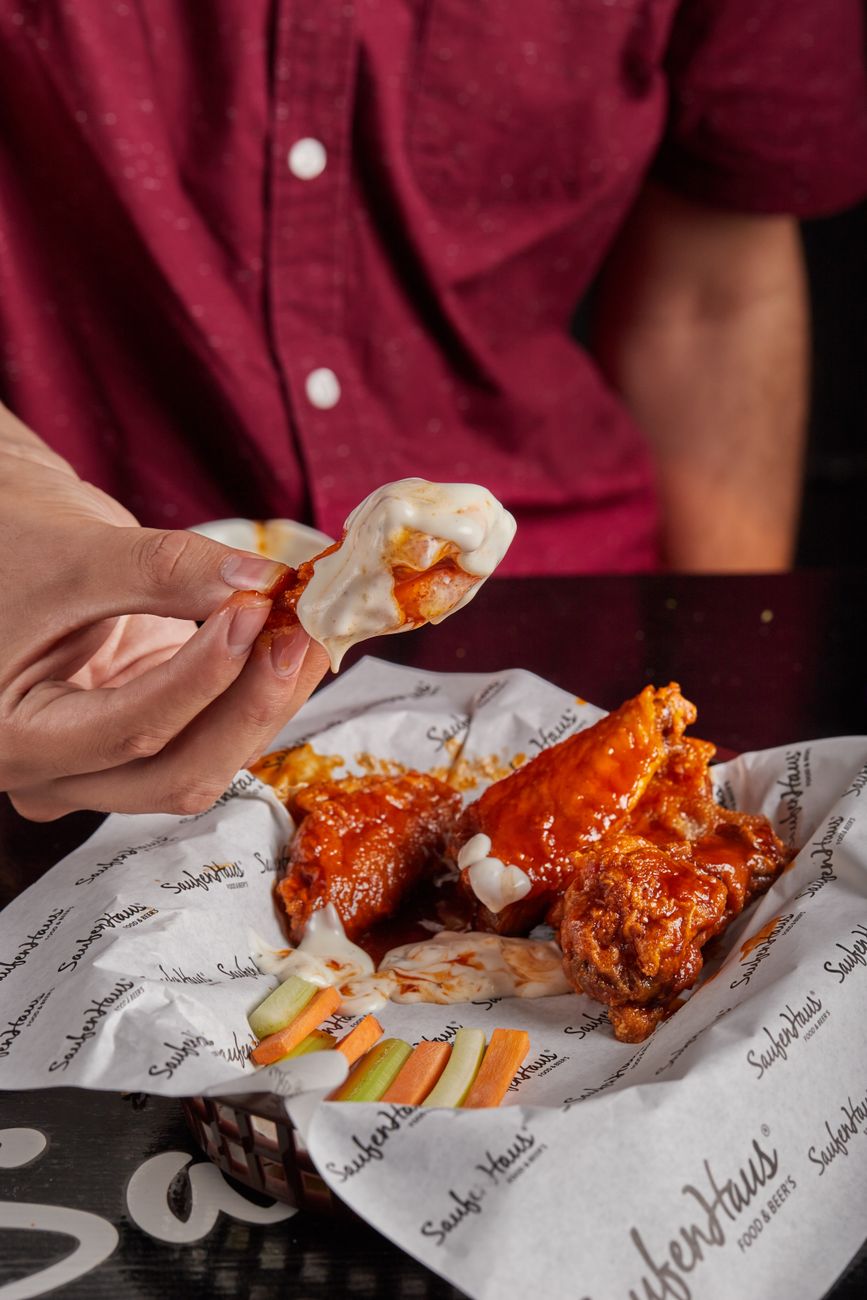
Chicken wings are one of America’s favorite comfort foods, and the sauce can make or break the experience. While everyone has different tastes, some sauces consistently disappoint because they’re overwhelmingly sweet, excessively salty, or so spicy that they completely overpower the chicken. In other cases, trendy flavors simply don’t pair well with crispy wings.
If you’re ordering wings at a restaurant or making them at home, these are 12 sauce styles that often leave diners wishing they’d picked something else.
Artificial Butter Sauce
Some butter-based wing sauces rely heavily on artificial butter flavoring instead of real butter.
The result can be an oily coating with an unnatural aftertaste that masks the flavor of the chicken rather than enhancing it.
Extremely Sweet Honey Sauce
Honey and wings can be a great combination, but sauces overloaded with corn syrup and sugar often taste more like candy than barbecue.
The excessive sweetness also prevents the savory flavors from shining through.
Overly Smoky Liquid Smoke Sauce
Liquid smoke can add depth when used sparingly.
Unfortunately, some sauces contain so much that every bite tastes artificial and leaves a lingering smoky flavor long after the meal is finished.
Ranch-Flavored Wing Sauce
Ranch is a classic dipping sauce, but coating wings entirely in ranch-flavored sauce often creates a heavy, one-dimensional flavor.
Many diners prefer using ranch on the side instead of making it the primary sauce.
Super-Hot Extract-Based Sauce
Some ultra-hot sauces rely on concentrated pepper extracts instead of fresh peppers.
These sauces often prioritize heat over flavor, making it difficult to appreciate the wings themselves.
Excessively Salty Garlic Parmesan
Garlic Parmesan is a popular favorite, but some versions contain so much salt and powdered cheese that they overwhelm the palate.
A balanced recipe should allow the garlic and Parmesan to complement each other rather than compete.
A great wing sauce usually has these qualities:
- Balanced sweetness and acidity.
- Moderate salt levels.
- Fresh herbs and spices.
- Heat that doesn’t overwhelm flavor.
- A texture that clings to the wings.
Thick Teriyaki Glaze
Teriyaki can work well on grilled chicken, but an overly thick glaze may become sticky and overly sweet on fried wings.
A lighter version generally produces better balance.
Artificial Cheese Sauce
Cheese-flavored wing sauces made with processed ingredients often become greasy as they cool.
They also tend to hide the crispy texture that makes great wings so enjoyable.
Overly Vinegary Buffalo Sauce
Buffalo sauce should offer a balance of butter, vinegar, and pepper heat.
When vinegar dominates the recipe, the result can become harsh and sour instead of pleasantly tangy.
Sugary Cola BBQ Sauce
Cola-based barbecue sauces can be delicious in moderation.
However, recipes that rely too heavily on soda often become syrupy and overpower the savory chicken beneath.
Mayonnaise-Based Sweet Sauces
Creamy mayonnaise sauces mixed with excessive sugar can leave wings feeling unnecessarily heavy.
These sauces may also soften the crispy exterior more quickly than lighter alternatives.
Dessert-Inspired Sauces
Occasionally restaurants experiment with flavors like chocolate, maple frosting, or candy-inspired glazes.
While creative, these novelty sauces often appeal more as conversation starters than satisfying wing flavors and rarely become long-term menu favorites.
Conclusion
The best chicken wing sauces enhance the meat rather than hiding it. Balanced combinations of heat, sweetness, acidity, and savory ingredients generally produce the most satisfying results. While everyone’s tastes differ, avoiding sauces that are excessively sweet, salty, smoky, or gimmicky can help ensure your next plate of wings delivers the flavor you’re hoping for.




Leave a Reply