
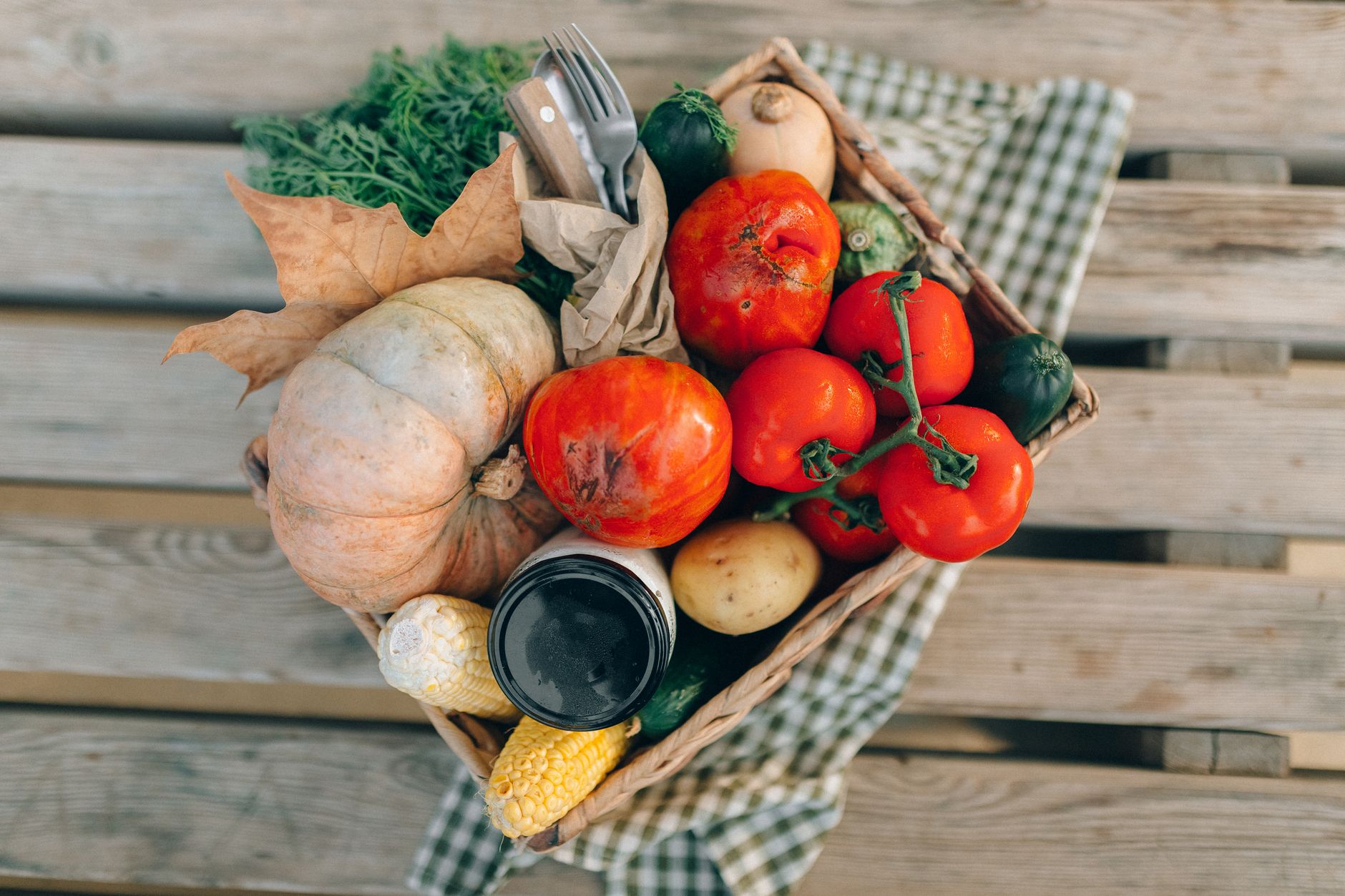
Shoppers have grown accustomed to finding a wide variety of fresh vegetables year-round, but weather extremes, shifting consumer demand, labor shortages, and changing farming economics can all affect what’s available at the grocery store. While it’s impossible to predict exactly which vegetables will become scarce in 2026, some crops are more vulnerable than others because they rely on specific growing regions or are especially sensitive to environmental conditions.
Iceberg Lettuce
Iceberg lettuce remains a staple in salads and sandwiches, but much of the U.S. supply comes from a relatively small number of growing regions.
Heat waves, drought, plant diseases, or water shortages can quickly reduce harvests, leading to temporary shortages and higher prices at grocery stores.
Broccoli
Broccoli thrives in cool weather and can struggle when temperatures climb too high.
California and Arizona produce much of the nation’s broccoli, so weather-related disruptions in those states can affect supplies across the country. Consumers may notice smaller heads, higher prices, or fewer options during difficult growing seasons.
Cauliflower
Cauliflower has surged in popularity thanks to products like cauliflower rice and pizza crusts.
At the same time, the vegetable remains sensitive to changing weather conditions. Poor harvests can quickly tighten supplies as demand continues to grow.
Bell Peppers
Bell peppers require warm growing conditions but remain vulnerable to storms, excessive heat, and plant diseases.
Because red, yellow, and orange peppers take longer to mature than green peppers, specialty varieties may become especially scarce during challenging growing seasons.
Several factors can influence vegetable availability:
- Extreme weather events.
- Drought and water restrictions.
- Crop diseases.
- Labor shortages.
- Transportation and distribution challenges.
Celery
Celery depends on a steady water supply and carefully managed growing conditions.
Flooding, drought, or unusually high temperatures can reduce yields, occasionally causing rapid price increases and temporary shortages in grocery stores.
Green Beans
Fresh green beans are grown throughout the United States, but regional weather problems can significantly reduce supplies.
Heavy rainfall, prolonged heat, or pest outbreaks may affect both fresh and frozen inventories, making green beans less available until harvest conditions improve.
Conclusion
There is no certainty that any of these vegetables will disappear from store shelves in 2026, but each has characteristics that make it more susceptible to temporary shortages caused by weather, disease, or supply chain disruptions. Fortunately, shortages are often short-lived, and shoppers can usually find frozen, canned, or alternative fresh vegetables until supplies recover. Staying flexible with meal planning is one of the best ways to navigate seasonal changes in grocery availability.


Leave a Reply