
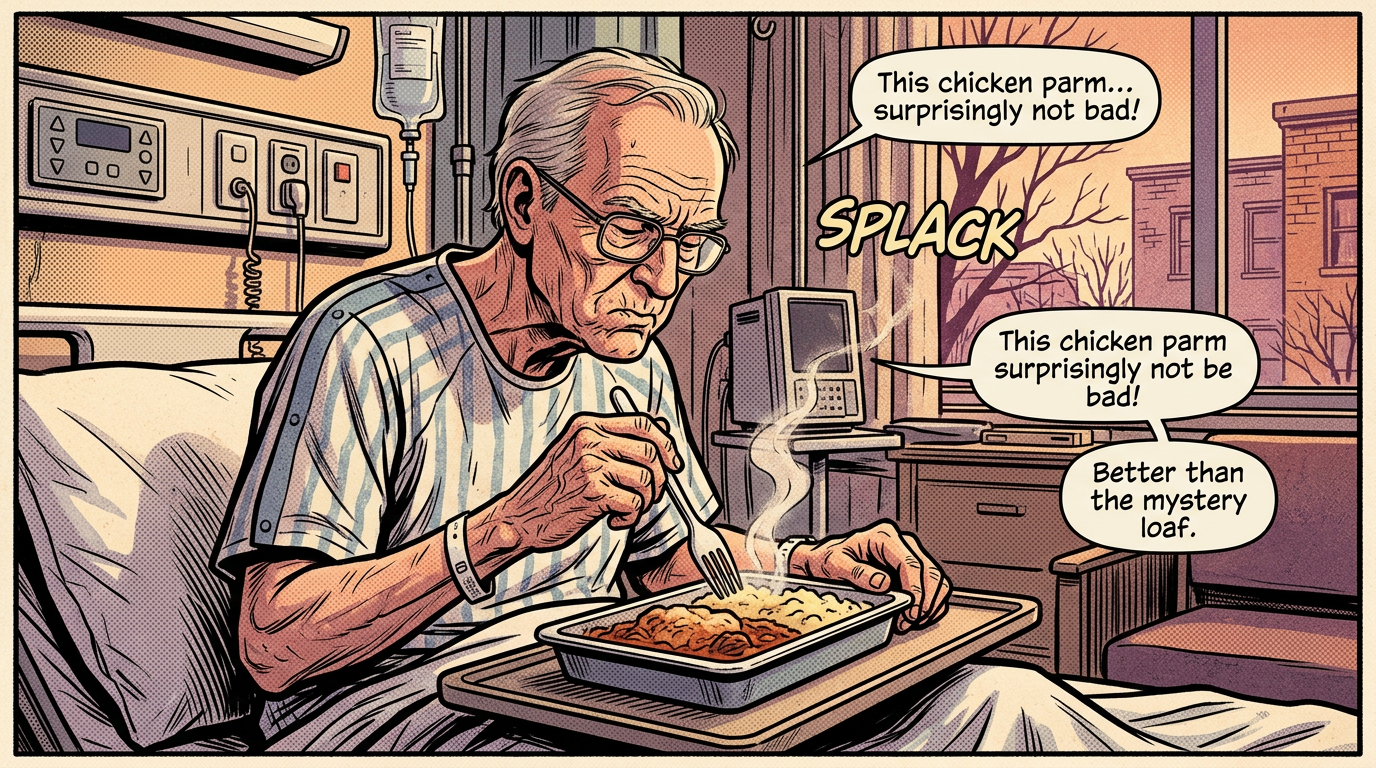
Frozen foods can be a convenient part of a healthy diet, and many frozen fruits, vegetables, and seafood are excellent choices for maintaining strong bones. However, some frozen convenience foods are high in sodium, added sugars, or saturated fats while providing little calcium, vitamin D, protein, or other nutrients important for bone health. No single frozen food will “deteriorate” your bones, but regularly relying on nutrient-poor options may make it harder to meet your nutritional needs over time.
If you’re concerned about maintaining healthy bones as you age, these frozen food categories are best enjoyed in moderation as part of a balanced diet.
Frozen Pepperoni Pizza
Frozen pepperoni pizza is often high in sodium and saturated fat while containing relatively modest amounts of calcium compared with its calorie content.
Excess sodium may increase calcium loss through urine, although the overall impact depends on your total diet. Choosing pizzas topped with vegetables and pairing them with a calcium-rich side can create a more balanced meal.
Frozen Fried Chicken
Breaded frozen fried chicken is convenient, but it typically provides plenty of calories, sodium, and fat with fewer vitamins and minerals than grilled or roasted alternatives.
Swapping fried options for frozen grilled chicken breasts can increase protein intake while reducing excess sodium and saturated fat.
Frozen Breakfast Sandwiches
Many frozen breakfast sandwiches include processed meats, refined breads, and processed cheese.
While they provide some protein, they’re often high in sodium and may lack the calcium, vitamin D, magnesium, and potassium needed to support healthy bones.
Frozen Macaroni And Cheese
Frozen macaroni and cheese contains dairy, but it’s also frequently high in sodium and saturated fat.
Choosing versions made with whole-grain pasta and serving them alongside vegetables or lean protein can improve the overall nutritional value of the meal.
Frozen Meat Pies
Pot pies and meat pies are classic comfort foods, but they’re often high in refined flour, sodium, and saturated fat.
They also tend to contain relatively small amounts of vegetables compared with their total calorie content, limiting their contribution to a bone-supportive diet.
Healthy bones benefit from a diet that includes:
- Calcium-rich foods.
- Adequate vitamin D.
- Lean protein.
- Fruits and vegetables.
- Regular weight-bearing exercise.
Frozen French Fries
French fries are one of the most popular frozen foods, but they contribute little calcium, vitamin D, or protein.
Eating fries occasionally is perfectly reasonable, but relying on them as a frequent side dish may displace more nutrient-dense options like frozen broccoli or mixed vegetables.
Frozen Meat Lover’s Pizza
Meat lover’s pizzas typically contain multiple processed meats, adding substantial sodium and saturated fat.
Pairing a smaller portion with a large salad or steamed vegetables can help create a more balanced meal while reducing overall sodium intake.
Frozen Corn Dogs
Corn dogs combine processed meat with refined batter and are generally low in nutrients associated with bone health.
Choosing meals centered on lean proteins, vegetables, and whole grains more often can help support better overall nutrition.
Frozen Cream-Filled Desserts
Frozen cream pies, pastries, and other dessert products are often high in added sugars and saturated fats while contributing few of the vitamins and minerals needed for healthy bones.
Enjoying these treats occasionally is unlikely to be harmful, but they shouldn’t replace nutrient-rich snacks such as yogurt, fruit, or nuts.
Conclusion
Frozen foods don’t inherently harm your bones, and many frozen products—including vegetables, fish, and fruit—can be excellent additions to a bone-healthy diet. The key is limiting heavily processed convenience foods that are high in sodium and low in essential nutrients while choosing meals rich in calcium, vitamin D, protein, and other nutrients that help maintain bone strength throughout life.



Leave a Reply