

Prices rarely stay the same for long, and households are expected to continue feeling the effects of inflation, rising labor costs, higher insurance premiums, and ongoing supply chain adjustments into 2027. While no one can predict exactly how much individual expenses will increase, many economists expect certain everyday costs to remain under upward pressure.
Grocery Bills
Food prices have experienced significant fluctuations in recent years, and grocery costs are expected to remain a challenge for many households.
Labor expenses, transportation costs, weather-related crop issues, and higher packaging prices all contribute to the cost of everyday staples like meat, dairy, produce, and pantry items.
Electricity
Many utility companies continue investing in grid upgrades, renewable energy projects, and aging infrastructure improvements.
Combined with rising fuel costs in some regions, these investments may contribute to higher monthly electricity bills for homeowners and renters alike.
Gasoline
Fuel prices are influenced by global oil markets, refinery capacity, seasonal demand, and geopolitical events.
Although prices can fluctuate throughout the year, transportation costs are likely to remain one of the more unpredictable household expenses.
Homeowners Insurance
Insurance premiums have climbed in many parts of the country due to severe weather events, rising construction costs, and larger claims.
Even homeowners who haven’t filed claims may experience higher premiums as insurers adjust pricing across broader regions.
Auto Insurance
Repair costs continue to rise as modern vehicles become increasingly equipped with advanced sensors, cameras, and driver-assistance technologies.
More expensive repairs often translate into higher insurance premiums for many drivers.
Restaurant Meals
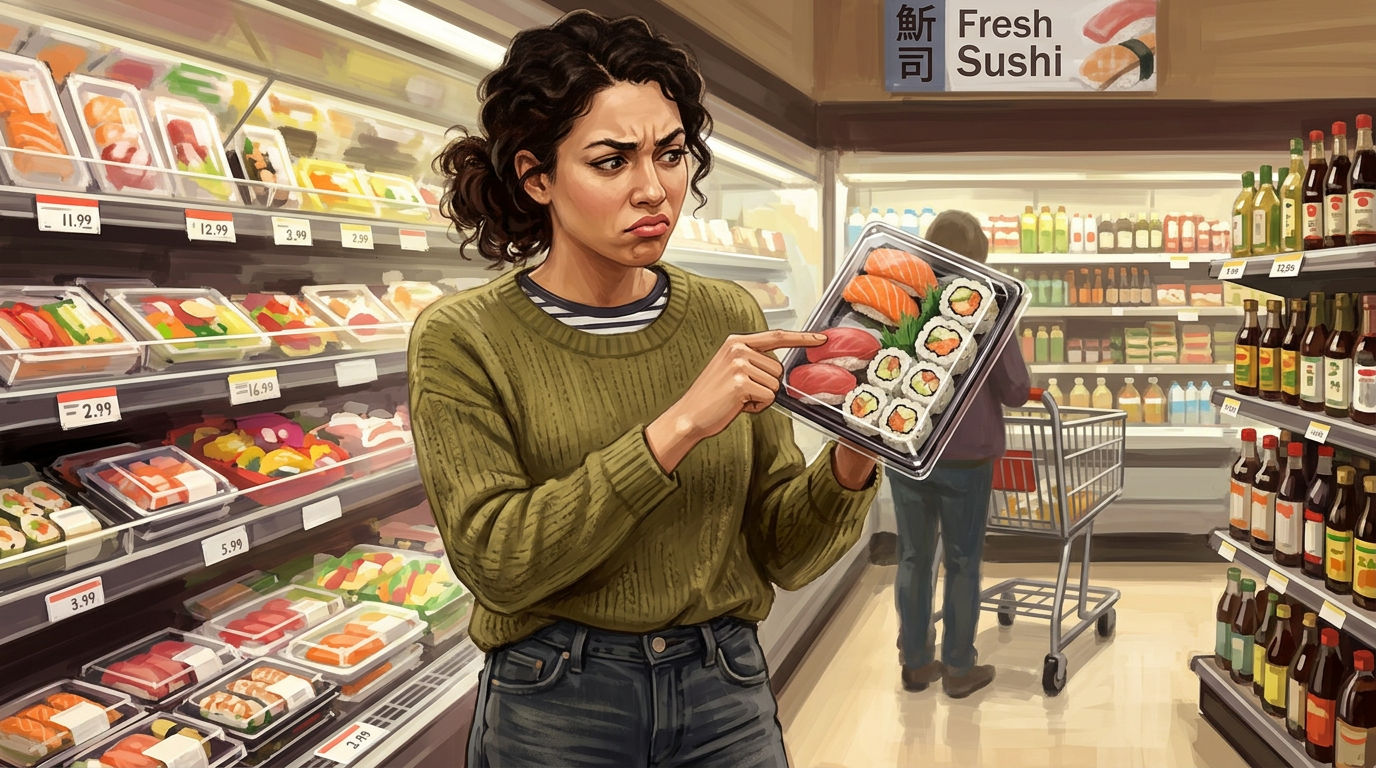
Dining out has become more expensive as restaurants face higher food costs, increased wages, and rising rent.
Many establishments have adjusted menu prices to offset these operating expenses while maintaining profitability.
Several strategies can help offset rising costs:
- Compare prices before making purchases.
- Take advantage of loyalty programs.
- Buy staple items in bulk when practical.
- Review insurance policies annually.
- Create a monthly household budget.
Prescription Medications
Although some drug prices have stabilized, many prescription medications continue to become more expensive due to research costs, manufacturing expenses, and market conditions.
Reviewing generic alternatives with your healthcare provider may help reduce out-of-pocket costs.
Streaming Services
What began as inexpensive alternatives to cable television has gradually become more costly as platforms raise subscription prices and introduce premium tiers.
Households subscribing to multiple services may notice a growing monthly entertainment bill.
Internet Service
Faster internet speeds, infrastructure improvements, and increasing demand for reliable connectivity may contribute to gradual price increases.
Shopping around for promotional offers or negotiating with providers can sometimes help reduce monthly costs.
Coffee
Whether purchased from grocery stores or coffee shops, coffee prices remain sensitive to weather conditions, crop yields, transportation costs, and global demand.
Even small price increases can add up quickly for daily coffee drinkers.
Household Cleaning Supplies
Cleaning products rely on chemicals, plastics, paper products, and transportation—all areas that have experienced higher production costs.
Consumers may continue seeing modest price increases on everyday household essentials.
Personal Care Products
Items such as shampoo, toothpaste, deodorant, razors, and skincare products have steadily become more expensive due to higher ingredient and packaging costs.
Watching for sales and purchasing frequently used items in larger quantities may help stretch household budgets.
Conclusion
While it’s impossible to predict exactly how much prices will change in 2027, many everyday expenses are expected to remain under upward pressure. Building a flexible budget, shopping carefully, and looking for opportunities to reduce recurring costs can help households better manage rising expenses. Small savings across multiple categories often add up to meaningful financial benefits over the course of a year.



Leave a Reply