
Daily life has changed dramatically over the past several decades. Many activities that were once considered perfectly ordinary are now viewed as unsafe, inappropriate, or simply outdated. Advances in technology, changing social norms, improved safety standards, and new laws have transformed how we work, travel, communicate, and raise our families.
For older generations, these once-routine habits may bring back fond memories. For younger people, however, many of these activities seem almost impossible to imagine.
Riding In Cars Without Seat Belts
For much of the 20th century, many cars didn’t even come equipped with seat belts, and even when they did, countless drivers and passengers simply ignored them. Children often bounced around the back seat or even rode in the front without any restraints.
Today, wearing a seat belt is required by law in most places, and child safety seats are mandatory for younger passengers. Decades of crash research have demonstrated just how effective seat belts are at reducing serious injuries and fatalities, making this one of the biggest changes in everyday driving habits.
Letting Kids Roam The Neighborhood All Day
Many Baby Boomers and members of Generation X remember leaving the house after breakfast and not returning until dinner. Parents often had only a general idea of where their children were, trusting neighborhoods and local friends to help keep an eye on them.
Modern parenting tends to involve much closer supervision. Cell phones, GPS tracking, organized activities, and changing attitudes about child safety have made unsupervised all-day adventures far less common in many communities.
Smoking Almost Everywhere
There was a time when smoking was allowed in restaurants, shopping malls, airplanes, offices, hospitals, and even many schools. Ashtrays sat on nearly every table, and cigarette smoke was considered a routine part of public life.
Today, widespread smoking bans have dramatically changed indoor public spaces. Improved awareness of secondhand smoke and public health concerns has made lighting up indoors socially unacceptable in many settings.
Leaving Doors Unlocked
In many small towns and suburban neighborhoods, families routinely left their front doors unlocked throughout the day—and sometimes overnight. Neighbors frequently stopped by without calling first, and home security systems were uncommon.
While some communities still enjoy that level of trust, many homeowners now lock their doors regularly and install cameras, smart doorbells, and alarm systems for added protection.
Some other changes that have become part of modern life include:
- Increased use of home security technology.
- Greater emphasis on child safety.
- Digital communication replacing face-to-face interactions.
- Stronger workplace and public safety regulations.
Hitchhiking To Get Around
For decades, hitchhiking was a relatively common way to travel, particularly among young adults and college students. Standing alongside the road with a thumb out was viewed as a practical way to reach the next town without spending money.
Today, most people view hitchhiking as far too risky. Concerns about personal safety, along with the availability of rideshare services and affordable transportation alternatives, have largely ended the practice.
Sharing One Family Telephone
Before cell phones became universal, many households had a single landline phone located in the kitchen or hallway. Family members often waited their turn to make calls, and everyone could hear at least one side of the conversation.
Today’s smartphones have made constant personal communication the norm. Individual devices, text messaging, and video calls have replaced the shared family telephone in nearly every household.
Flying Without Lengthy Security Checks
Air travel used to be remarkably simple. Travelers could arrive shortly before departure, walk directly to the gate, and family members without tickets could accompany them all the way to the aircraft.
Modern airport security procedures have significantly changed the flying experience. Identity checks, baggage screening, and additional security measures have become standard parts of every commercial flight.
Giving Children Complete Freedom At Playgrounds
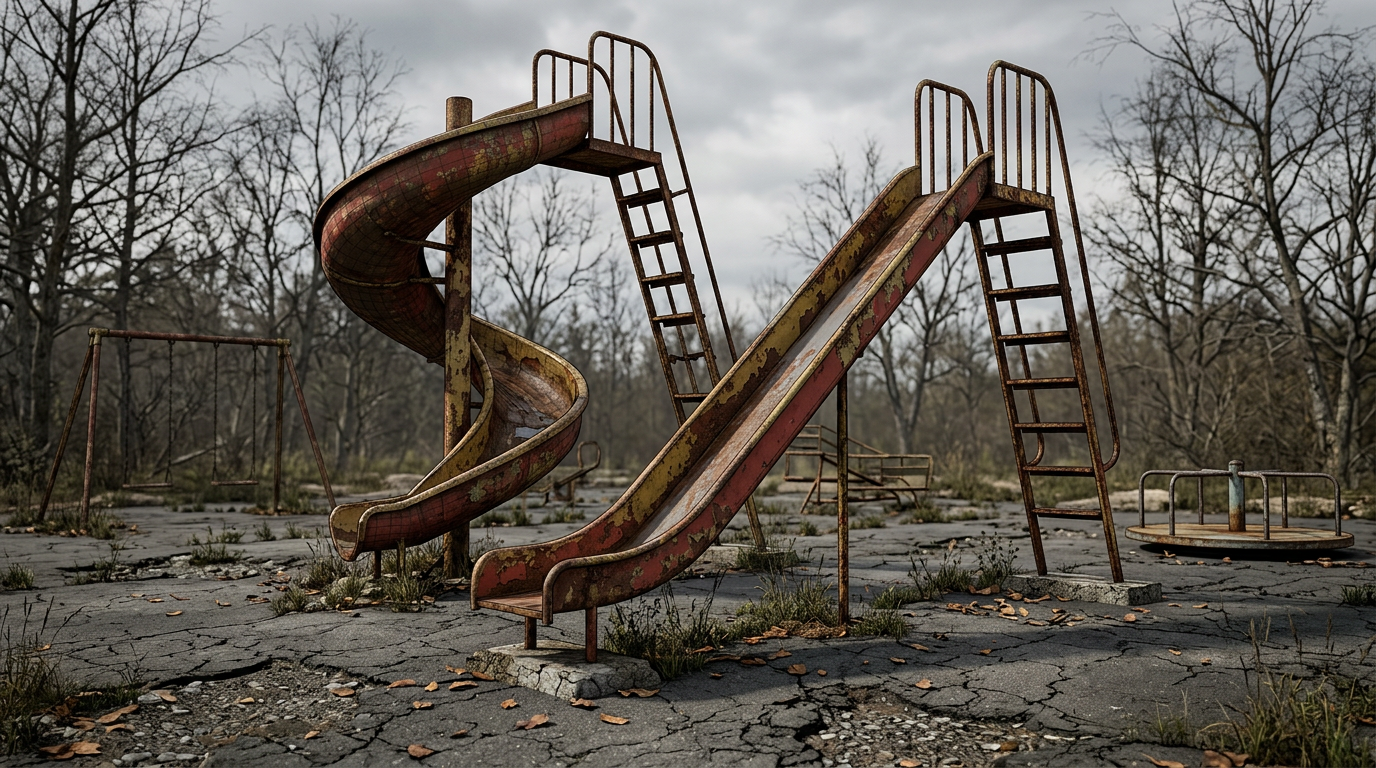
Playgrounds once featured towering metal slides, fast merry-go-rounds, concrete surfaces, and climbing equipment that would never meet today’s safety standards. Parents often watched from a distance while children invented their own games with little supervision.
Today’s playgrounds emphasize injury prevention through softer surfaces, updated equipment, and age-appropriate designs. While children still enjoy outdoor play, modern playgrounds reflect decades of research focused on reducing accidents while encouraging active recreation.
Conclusion
Many everyday activities that once seemed completely ordinary have faded into history as society has adopted new technologies, stronger safety standards, and changing cultural expectations. While some of these traditions inspire nostalgia, others disappeared for good reasons that improved public health, personal safety, and overall quality of life. Looking back offers an interesting reminder of just how much daily routines can evolve from one generation to the next.



Leave a Reply