
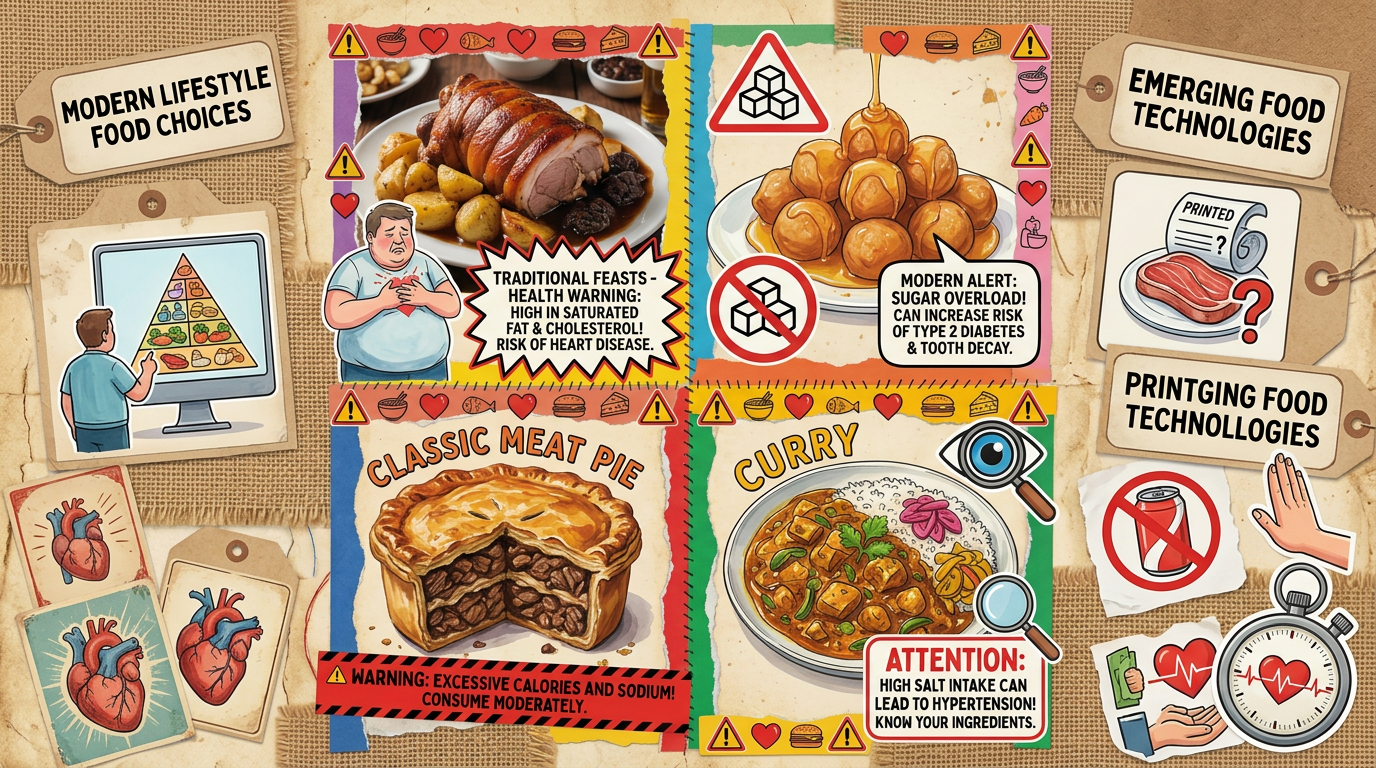
Food safety standards have changed significantly over the past several decades. Many foods that were once considered everyday staples for older generations are now more closely monitored, reformulated, or accompanied by stronger consumer warnings. These updates are not meant to alarm consumers, but to reflect improved scientific understanding of foodborne risks, additives, and long-term health impacts. For seniors who grew up with these foods, the changes can be surprising.
Raw Milk From Farm Deliveries
Many seniors remember a time when raw milk was delivered directly from local farms and consumed without pasteurization. It was often seen as fresher and more natural than store-bought milk.
Today, the FDA strongly warns against consuming unpasteurized milk due to the risk of harmful bacteria such as E. coli, Listeria, and Salmonella. Pasteurization is now considered essential for reducing these risks.
While some small-scale producers still sell raw milk in certain states under regulated conditions, federal health agencies caution that it poses a higher risk, especially for older adults and individuals with weaker immune systems.
Processed Lunch Meats With Nitrates
Bologna, salami, and other processed lunch meats were once common in school lunches and family sandwiches. They were affordable, widely available, and rarely questioned.
Today, many of these meats come with warnings or health advisories due to their nitrate and nitrite content. These preservatives help maintain color and prevent bacterial growth, but they have also been studied for potential links to long-term health concerns when consumed frequently.
While not banned, processed meats are now recommended for limited consumption as part of a balanced diet rather than a daily staple.
Canned Fish In Oil
Canned fish like sardines and tuna packed in oil was a household pantry essential for decades. It was prized for its affordability, long shelf life, and protein content.
Modern FDA guidance does not discourage canned fish entirely, but it does include warnings about mercury levels in certain species and sodium content in preserved varieties. These concerns are especially relevant for frequent consumption.
For many seniors, the shift represents a change from “eat freely” to “eat in moderation,” particularly for certain types of tuna.
Artificially Colored Candies And Snacks
Brightly colored candies and snacks were extremely popular in mid-century America. Many older adults recall treats with vivid dyes that made food visually appealing to children.
Today, some artificial food dyes are under increased scrutiny, and certain formulations carry advisory labels in various regions. While most remain approved, regulatory agencies continue evaluating their long-term effects.
Common concerns associated with heavily colored snacks include:
- Artificial dye exposure in children
- Potential sensitivities or allergic reactions
- Changes in manufacturing standards
- Reformulation in modern products
- Increased consumer demand for natural alternatives
As a result, many companies have shifted toward natural coloring ingredients in newer product lines.
Salt-Cured Meats And Sausages
Traditional salt-cured meats such as country ham, sausages, and jerky were once daily or weekly staples in many households. Preservation methods relied heavily on salt, smoke, and curing agents.
Today, FDA guidelines highlight concerns about sodium intake and long-term cardiovascular health. High-sodium diets are associated with increased risk of high blood pressure, particularly in older adults.
While these foods are still widely available, they are now recommended as occasional items rather than regular dietary components.
Unrefrigerated Homemade Preserves
Many seniors grew up eating homemade jams, jellies, and canned vegetables stored in pantries or cellars without refrigeration. These traditions were part of rural and household food preservation practices.
Modern FDA food safety guidance emphasizes proper sterilization, sealing, and refrigeration to prevent the growth of harmful bacteria such as botulism. Improper canning techniques can pose serious health risks even if food appears normal.
Today, commercially produced versions follow strict safety protocols, while home preservation requires careful adherence to updated guidelines.
Conclusion
Foods that were once everyday staples are now viewed through a different lens due to advances in food science and public health research. Items like raw milk, processed meats, canned fish, artificial snacks, cured meats, and homemade preserves are still familiar—but they now come with clearer warnings and more specific consumption guidelines.
These changes do not erase tradition; instead, they reflect a better understanding of how food affects long-term health. For seniors, it can be surprising to see childhood favorites treated differently today, but these updates are designed to promote safety while still allowing many of these foods to be enjoyed in moderation.




Leave a Reply