
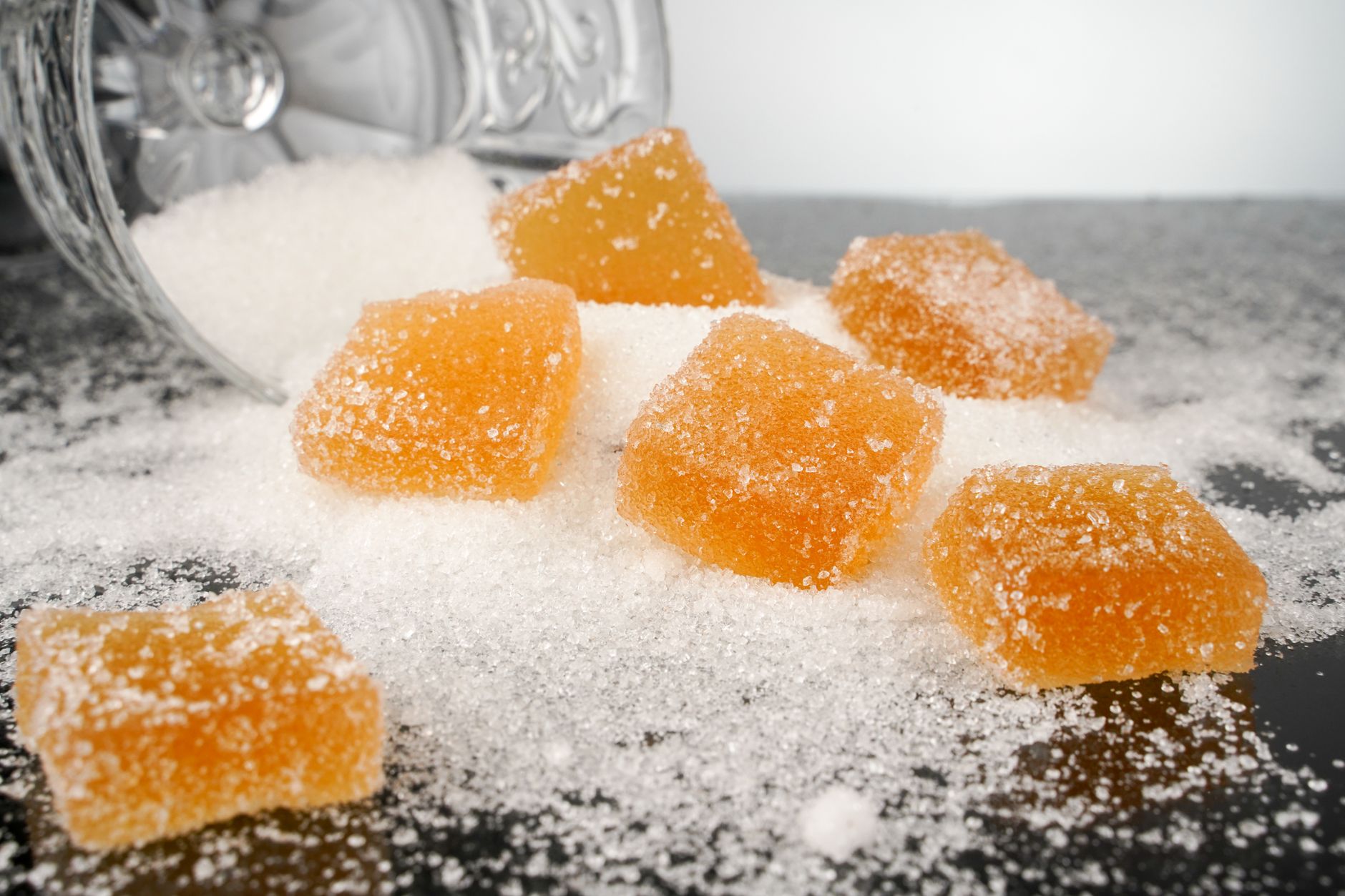
Sugar has become one of the most debated ingredients in modern nutrition. While excessive sugar consumption has been linked to weight gain, type 2 diabetes, and other health concerns, not all sugars are created equal. Some sweeteners undergo minimal processing and contain trace nutrients, while others offer little more than empty calories.
It’s important to remember that even the healthiest sugars should be consumed in moderation. However, understanding the differences between common sweeteners can help you make better choices when satisfying a sweet tooth.
Honey
Honey has been used as a natural sweetener for thousands of years.
Unlike refined sugar, honey contains small amounts of antioxidants, enzymes, and trace minerals. Different varieties can also offer unique flavors depending on the flowers visited by the bees.
Although honey still raises blood sugar and contains plenty of calories, many people prefer it because it is less processed than standard table sugar.
Pure Maple Syrup
Real maple syrup comes directly from the sap of maple trees.
The production process primarily involves boiling the sap to concentrate its natural sugars. As a result, pure maple syrup retains small amounts of minerals such as manganese and zinc.
Many consumers enjoy maple syrup as a sweetener because it contains fewer processing steps than many commercial sugar products.
Date Sugar
Date sugar is made from dehydrated, ground dates.
Because it consists of the entire fruit, it retains some fiber and naturally occurring nutrients that are lost during the refining process. This makes it somewhat different from traditional sweeteners.
Its rich flavor works particularly well in baked goods and oatmeal, making it a popular choice among health-conscious consumers.
Several factors can help determine whether a sugar is a better choice:
- Degree of processing
- Presence of nutrients
- Fiber content
- Overall calorie intake
- Portion size
Even healthier sweeteners should still be used thoughtfully.
High-Fructose Corn Syrup
High-fructose corn syrup is one of the most widely used sweeteners in processed foods and beverages.
It is inexpensive to produce and appears in everything from soft drinks to packaged snacks. Because it is added to so many products, consumers can easily consume large amounts without realizing it.
Health experts often recommend limiting foods high in added sugars, including those containing high-fructose corn syrup.
Refined White Sugar
White table sugar remains the most common sweetener in many households.
During processing, sugar cane or sugar beets are refined extensively to create the familiar white crystals found in kitchens around the world. This process removes naturally occurring compounds and leaves a highly concentrated sweetener.
While perfectly acceptable in moderation, white sugar provides calories with little nutritional value.
Brown Sugar Blends
Many people assume brown sugar is significantly healthier than white sugar.
In reality, most commercial brown sugar consists largely of refined white sugar with molasses added back in. Although molasses contributes flavor and tiny amounts of minerals, the nutritional differences are generally small.
As a result, brown sugar should still be treated much like other refined sugars when considering overall intake.
Why Moderation Matters Most
The source of sugar matters, but total consumption matters even more.
Consistently consuming large amounts of any sweetener can make it difficult to maintain a balanced diet. Excess calories from sugar may crowd out nutrient-rich foods that provide greater health benefits.
Focusing on moderation often has a greater impact than simply choosing one sweetener over another.
Smart Ways To Reduce Added Sugar
Reducing sugar intake does not require eliminating sweetness entirely.
Fresh fruit, cinnamon, vanilla extract, and unsweetened applesauce can add flavor to foods while reducing reliance on added sugars. Small adjustments often make a meaningful difference over time.
Many people discover that their taste preferences gradually adapt when they reduce overall sugar consumption.
Conclusion
Honey, pure maple syrup, and date sugar are often considered better options because they are less processed and contain small amounts of beneficial compounds. Meanwhile, high-fructose corn syrup, refined white sugar, and brown sugar blends are best consumed in moderation due to their highly refined nature and limited nutritional value. Ultimately, maintaining a balanced diet and limiting excessive added sugars remains the most important goal.




Leave a Reply