
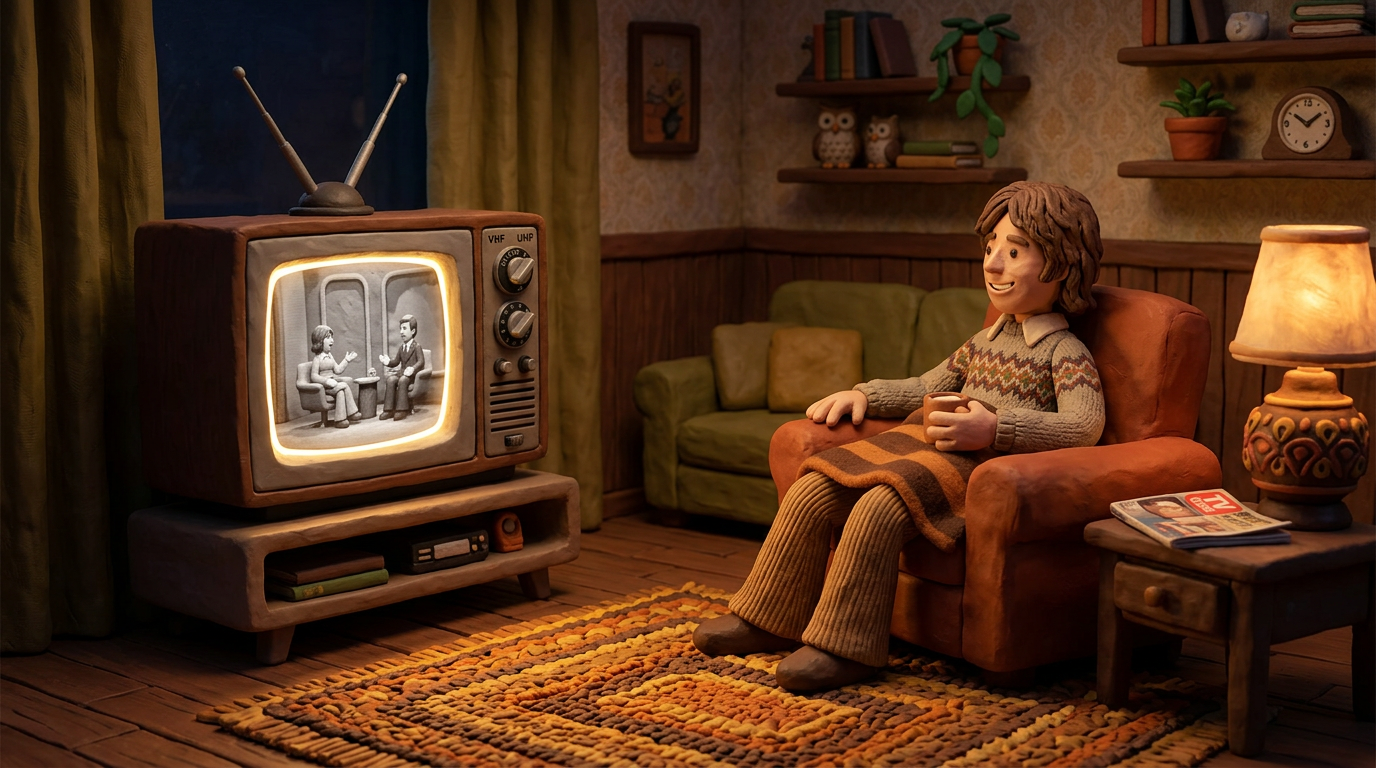
Television has changed dramatically over the past several decades. What audiences once considered harmless entertainment is often viewed through a different lens today. Changes in social attitudes, workplace standards, network expectations, and audience sensitivities have reshaped the kinds of stories producers are willing to tell.
That doesn’t necessarily mean these classic shows were bad. Many were groundbreaking, influential, and enormously popular during their original runs. However, certain themes, jokes, and portrayals would likely face significant challenges if introduced to television audiences for the first time today.
All In The Family
When it debuted in 1971, All in the Family revolutionized television comedy.
The series centered on Archie Bunker, a working-class man whose outspoken opinions frequently sparked controversy. The show intentionally tackled racism, sexism, politics, and social change in ways that few sitcoms had attempted before.
While the program’s creators used Archie as a vehicle for satire, modern audiences might find some of the language and situations difficult to separate from the show’s larger message. Networks today would likely face intense scrutiny over similar content.
Married… With Children
Married… With Children built its success on being the opposite of traditional family sitcoms.
The Bundy family was dysfunctional, sarcastic, and often openly hostile toward one another. Much of the humor revolved around insults, crude jokes, and stereotypes that were commonplace in the late 1980s and early 1990s.
Although the show remains popular in syndication, many of its jokes would likely generate controversy if written for a new series today.
The Benny Hill Show
For years, The Benny Hill Show was one of the most recognizable comedy programs in the world.
Its signature style relied heavily on slapstick humor, visual gags, and chase scenes involving scantily clad women. While audiences once embraced the formula, cultural attitudes regarding gender representation have evolved considerably.
Modern television executives would likely question whether such a concept could attract broad mainstream support today.
The Dukes Of Hazzard
The Dukes of Hazzard became famous for its car chases, stunts, and colorful characters.
However, the show’s iconic vehicle, the General Lee, prominently featured Confederate imagery. While the series itself focused largely on action and comedy, discussions surrounding historical symbols have changed significantly since the show’s original run.
As a result, launching a new series with similar imagery would likely prove controversial before the first episode even aired.
Several factors have changed television production over the years:
- Greater audience diversity
- Increased social awareness
- Faster public feedback through social media
- Stricter corporate standards
- Global distribution considerations
These changes influence what networks choose to produce.
Hee Haw
Part variety show and part rural comedy, Hee Haw enjoyed tremendous popularity for more than two decades.
The program featured country music performances alongside recurring comedy sketches that often relied on broad stereotypes and simple character archetypes. While audiences embraced the format at the time, modern entertainment tends to favor more nuanced portrayals.
The show’s humor reflected a very different era of television production and audience expectations.
Why Television Keeps Evolving
Television has always reflected the culture in which it is created.
As society changes, entertainment evolves alongside it. Writers, producers, and networks continuously adapt to shifting expectations regarding humor, representation, and storytelling.
Shows that were once considered innovative can eventually become artifacts of their era, offering insight into changing cultural norms.
Nostalgia Versus Modern Expectations
Many viewers still enjoy these classic programs because they remember the context in which they originally aired.
Nostalgia often allows audiences to appreciate older entertainment while recognizing that some elements may feel outdated. This doesn’t erase a show’s historical significance, but it does highlight how much television has changed.
Understanding that context helps explain why certain concepts might struggle to gain approval today.
Conclusion
All in the Family, Married… With Children, The Benny Hill Show, The Dukes of Hazzard, and Hee Haw were all hugely successful during their original runs. However, changing cultural expectations, audience sensitivities, and industry standards make it difficult to imagine these exact concepts debuting unchanged in today’s television landscape. Their continued popularity serves as a reminder of how entertainment evolves alongside society.




Leave a Reply